
Spirit of Hope Award recipient Terry Glassman shares how hope, research, and community shaped her journey with an aggressive form of myeloma.

Courtesy of Terry Glassman (center)
On October 10, 2026, the Multiple Myeloma Research Foundation® (MMRF®) community will come together for the 2026 MMRF NYC Walk at Pier 17. This annual event unites myeloma patients, families, caregivers, researchers, healthcare professionals, and supporters who are committed to accelerating groundbreaking myeloma research through the MMRF.
At this year’s event, the MMRF will recognize myeloma patient and advocate Terry Glassman with the Spirit of Hope Award, which honors individuals and groups who have inspired hope and demonstrated an extraordinary commitment to the Foundation’s mission. In 2022, Glassman was diagnosed with plasma cell leukemia, an aggressive, high-risk form of myeloma. Since then, she has transformed her experience into a force for good, dedicating herself to advocating for patients, fundraising for myeloma research, and mentoring other patients.
Ahead of the MMRF NYC Walk, we spoke with Terry about what this recognition means to her and why she is committed to moving myeloma research forward.
Why do you walk with the MMRF?
I walk because every breakthrough in my treatment began as someone’s research study.
When I was diagnosed with myeloma and primary plasma cell leukemia, I learned very quickly that my future would depend on scientists, clinical trials, and people who devoted their lives to treating and ultimately curing this disease.
I walk to honor the researchers, clinicians, caregivers, and patients whose work and courage made my remission possible. But I also walk for the newly diagnosed patient sitting at home after reading frightening words on a screen and wondering if they’ll ever feel hopeful again.
If my footsteps help move research forward so that someone else can live a longer, healthier life, then every mile is worth it.
How did you get involved with the MMRF?
A mutual friend introduced me to [MMRF founder and myeloma patient] Kathy Giusti, and that connection changed my life. Kathy is a remarkable beacon of hope and wisdom.
As my treatment began to work, I realized something important: helping others was helping me heal. Before cancer, caring for people had always been central to my purpose. For a while, I thought cancer had taken that away. Instead, it gave me a new way to do it.
The MMRF provided opportunities to turn my experience into something larger than myself. Through patient advocacy, clinical trial discussions, fundraising, and patient advisory work, I discovered that patients have a voice that matters, not only in their own care but in shaping the future of myeloma treatment.
Today, I continue to benefit from the incredible work the MMRF does, and I’m grateful for every opportunity to give back.
The Spirit of Hope Award is given to individuals and groups who inspire hope and show extraordinary commitment to the MMRF. What does receiving this recognition mean to you?
Receiving the Spirit of Hope Award is deeply humbling because I don’t see hope as something I possess. I see it as something that has been given to me, over and over again.
It came from my physicians and physician assistant when I couldn’t see beyond my diagnosis. It came from researchers whose work created treatment options that didn’t exist just a few years ago. And it came from my family, friends, fellow patients, and the entire myeloma community who carried me through the hardest days. If I’ve become someone who inspires hope, it’s only because so many people first inspired hope in me.
This award doesn’t feel like the end of a journey. It feels like encouragement to keep doing the work: educating, advocating, mentoring, fundraising, and reminding patients that they never have to walk this road alone.
How have you found perseverance in the face of obstacles?
Perseverance, for me, has never meant being fearless. I’ve experienced panic, uncertainty, setbacks, medication changes, scan anxiety, and the emotional roller coaster that comes with living with an incurable cancer. Those feelings haven’t disappeared. I’ve simply learned to keep moving despite them.
Every obstacle has taught me that I can adjust, recalibrate, and keep living. I’ve learned to celebrate stable lab results, ordinary days, and small victories that many people never have to think about.
Most importantly, I’ve learned that perseverance is never an individual achievement. It’s built by physicians who never give up, researchers who keep asking questions, family and friends who keep showing up, and fellow patients who remind one another that we’re stronger together.
I also find strength in patients who have been through multiple lines of treatment but continue moving forward, believing the next therapy or the next breakthrough could be the one that changes everything. That’s where hope comes in once again.
Do you have a favorite mantra or quote that gives you strength?
“The longer I keep you alive, the longer I can keep you alive.”
Those were the words Dr. Sundar Jagannath shared with me the first time we met, and they completely changed how I viewed my diagnosis. Instead of seeing my disease as a countdown, I began to see it as a race between my myeloma and scientific progress. Every month and every year that treatment keeps me well creates another opportunity for new therapies, better outcomes, and greater hope. I now share those words with newly diagnosed patients because they perfectly capture the remarkable pace of progress in myeloma research.
My other mantra is simple: Get through the bad days so you can enjoy the good days. Living with a cancer that requires ongoing treatment means there will be difficult days. But there are also many good days, and I try to keep my focus there.
Anything else you’d like to share?
People often tell me I’m inspiring because of everything I do. The truth is, I don’t think hope comes from extraordinary people. I think it grows when ordinary people choose to help one another. I see that every day in the myeloma community.
Sometimes advocacy looks like speaking on Capitol Hill or serving on research committees. Sometimes it looks like answering a frightened patient’s message late at night. Sometimes it looks like a scientist staying one more hour in the lab. Sometimes it’s a family member driving a loved one to treatment. Hope isn’t created by one person. It’s built by thousands of people, each doing one small thing for someone else.
I’m incredibly honored to receive this award, but I accept it on behalf of everyone who has walked beside me and every patient who continues to teach me what courage really looks like.
The Multiple Myeloma Research Foundation and Johnson & Johnson celebrate a decade of partnership and progress.
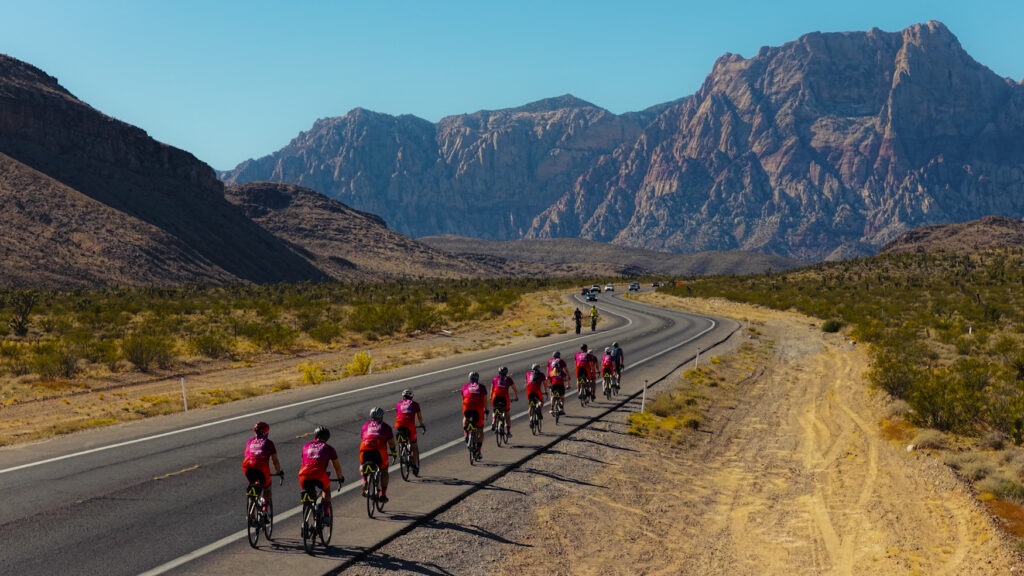
Cyclists participate in the 2025 MMRF Road to Victories ride through California’s Death Valley
This fall, as 17 cyclists wind through the Blue Ridge Mountains clad in maroon and orange jerseys, they’ll be doing more than raising funds for the Multiple Myeloma Research Foundation® (MMRF®). They’ll be celebrating 10 years of Road to Victories, a program that has united patients, caregivers, advocates, industry partners, and supporters to accelerate cures for myeloma.
In 2017, the MMRF and Johnson & Johnson launched this award-winning program with a simple goal: to channel the power of endurance cycling into support for myeloma research. Since the first Road to Victories ride, 186 cyclists (including 41 patients) have participated and raised $3.5 million for the MMRF’s research, education, and support programs. What began as a cycling fundraiser has evolved into one of the MMRF’s most enduring community events.
“Reaching the 10th Road to Victories is a testament to the power of partnership,” said MMRF President and CEO Michael Andreini. “Together with Johnson & Johnson, and alongside an extraordinary community of patients, caregivers, and supporters, we’ve built an event that has become more than a fundraiser. It’s a celebration of our shared determination.”
For many participants, the lasting impact of Road to Victories isn’t measured in miles ridden, but in the connections formed along the way.
Support the next myeloma research breakthroughs
“In 2016, I lost my sister-in-law to myeloma, and then I was diagnosed [with the disease] in her last six months,” said myeloma patient and 2026 Road to Victories rider Carol Callahan. “I find it very helpful to find community and share those experiences with others on a trip like this.”
As Road to Victories enters another decade, the mission and urgency driving the event remain unchanged.
“Road to Victories has grown alongside a period of remarkable progress in multiple myeloma research. Every rider, donor, volunteer, and supporter has helped advance the MMRF’s mission,” Andreini said. “This anniversary ride is an opportunity to celebrate how far we’ve come while recommitting ourselves to the work that lies ahead.”
The 10th Road to Victories ride will begin on September 28 in Greenville, South Carolina and end on October 3 in Asheville, North Carolina. You can support this year’s ride by donating or signing up as a virtual rider here.
The Spirit of Hope Award recipient shares how optimism, family, and faith have supported her 14-year journey with multiple myeloma.

Courtesy of Cynthia Stadalnik (far left)
At the 2026 MMRF Boston Walk on September 19, the Multiple Myeloma Research Foundation® (MMRF®) will honor Cynthia Stadalnik with the Spirit of Hope Award, which recognizes individuals and groups who inspire hope and demonstrate an extraordinary commitment to the MMRF mission.
Cynthia was diagnosed with multiple myeloma in 2012 at the age of 64 after experiencing severe back pain caused by a tumor on her spine. After more than a decade of treatment, Cynthia is now in remission.
Ahead of the Boston Walk, Cynthia reflected on her journey and the people who helped her keep moving forward.
When you were first diagnosed with myeloma, what gave you the strength to keep going?
When I was diagnosed, I honestly thought I might only have a year to live. I felt like I had two choices: give up or keep going. I chose to keep going. I’m a very positive person.
My first granddaughter, Reese, was just 10 months old when I was diagnosed. I thought, “I must see her grow up.” Today she’s 15. I’ve also gotten to watch my grandson Max, who is now 12, grow up.
My family means everything to me. My husband, Alan, and I have been married for 53 years. He is the kindest husband every. My son Kenneth has always been there for me, and my daughter-in-law Megan takes wonderful care of our family.
There were times when I felt sad and discouraged, but the support of my family and friends helped me find my way through.
What does receiving the Spirit of Hope Award mean to you?
This award gives me hope for the future. I was 64 years old when I was told I had myeloma. I am 78 years old now and in remission. I wish and pray everyone with myeloma can keep going and have a happy future.
What advice would you give to someone newly diagnosed with myeloma?
Keep thinking positively and make plans for the future.
Stay busy when you can and keep doing the things you enjoy. I love baking, cooking, canning, helping others, and spending time with family. There were times when I was so busy living my life that I forgot I had cancer.
Prayer and faith have also been a source of comfort for me. The song Ave Maria has always given me strength. Most importantly, keep going. That’s what helped me through the last 14 years, and it’s what I plan to keep doing.
What began with a marathon in honor of a friend has grown into a community-driven effort to accelerate progress for myeloma patients.
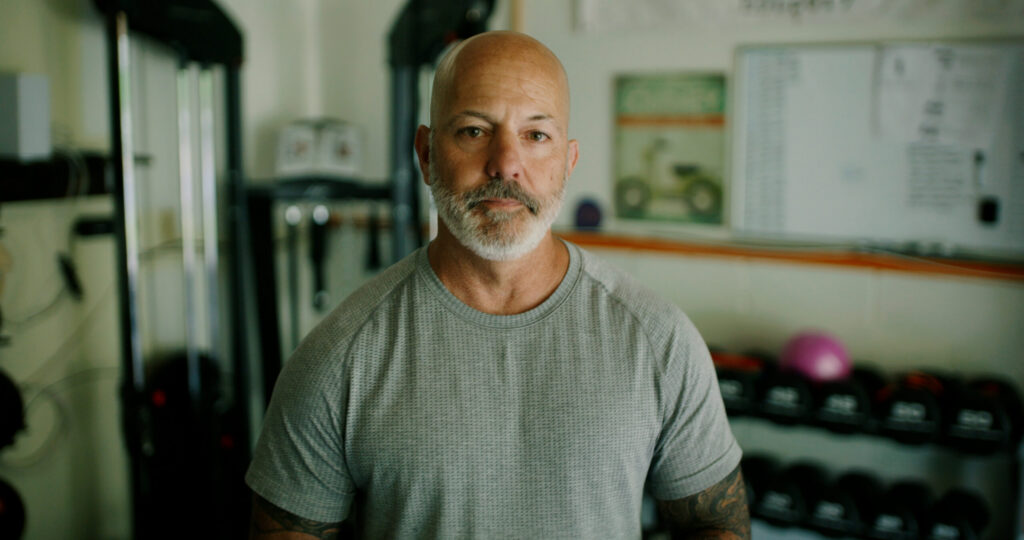
It’s been nearly 20 years since Eric Gelber first fundraised for the MMRF by running the 2007 New York City Marathon in honor of a family friend, Anita, who was being treated for multiple myeloma. But he still thinks about something she said after he’d crossed the finish line having raised $5,000 for the organization.
“She told me that when I ran, she could feel medicine going straight into her veins,” he said. “That always resonated with me—still does.”
Nearly two decades later, this continues to fuel Gelber’s commitment—not just to pushing his own limits but to accelerating research to improve outcomes for myeloma patients by fundraising for the MMRF.
As part of the MMRF’s Outpace Myeloma endurance fundraising initiative this Blood Cancer Awareness Month, Gelber will attempt to row 100 miles and complete 10,000 push-ups in just 36 hours starting on September 26 in Chappaqua, New York, near where he lives.
While his efforts were initially inspired by Anita, who succumbed to myeloma in 2012, along the way Eric has grown close with many other patients and their loved ones—giving him a front-row seat to the progress the MMRF has helped make possible.
“When Anita was diagnosed, the prognosis was maybe three or five years. Now I have friends who have been living with this disease for 10 or 20 years,” Gelber said.
Despite this progress, Gelber said he’s motivated to fundraise for those who have not had the same outcome—like a patient named Jeannie, who traveled from New Hampshire to New York each year to support Eric’s events in person.
“The last time I saw her, she had just gotten a biopsy and was waiting for results. She came down to support me even though she was waiting for that phone call,” he said. “Sadly, she got bad news and passed away within a year of the event. I think about her often and so many other friends.”
Since his first MMRF fundraiser, Eric has pushed himself to take on increasingly grueling ultra-marathons and endurance challenges.
“Running these longer distances changed my life and the way I approached challenges,” he said. “My career started to take off. I became a better father and husband. And then of course the fundraising made me want to keep going.”
In 2012 and 2015, he completed the 135-mile Badwater Ultramarathon, widely considered one of the world’s toughest races for its extreme temperatures and elevation gain. A few years later, he ran 200 miles in New York’s Central Park—a feat that was featured in the 2017 documentary 200 Miles—followed by another 200-mile rowing challenge at the park.
Gelber’s efforts have grown into a true family and community effort. Eric and his wife, Tani, along with their three children, Jared, Kyle, and Isla, have organized other fundraisers for the MMRF over the years, including a music festival on Randall’s Island and tennis and pickleball tournaments. In November, Kyle will run the TCS New York City Marathon with MMRF Team for Cures.
When Gelber looks back at his cumulative fundraising impact for the MMRF, he said he hopes he has encouraged others.
“If I can provide hope to patients and their families or inspire people to get out there and do something, that’s meaningful to me,” he said.
You can help outpace myeloma by supporting Eric’s challenge here. If you’re local to Chappaqua, New York, you can cheer him on in person or join him and row some miles and do some pushups, October 3–4, 2026 at the town’s Metro North station.
Five takeaways from the MMRF’s webinar with co-founder and patient advocate Kathy Giusti.

A myeloma diagnosis can mean stepping into a system that’s overwhelming, fast-moving, and full of difficult decisions. In a recent webinar, MMRF Co-Founder Kathy Giusti shared her practical strategies for making confident decisions, preparing for key milestones, and more.
Drawing on nearly 30 years of experience as both a cancer survivor and patient advocate, Giusti offered a candid perspective on what it takes not just to survive, but to live well with myeloma. Here are five key insights from the conversation.
1. Take an active role in your treatment
With more than 15 FDA-approved treatments for myeloma, patients have more options than ever before. But that also means that they increasingly need to be active participants in their care.
“The doctor is now saying to you, ‘Here are your options. What do you want to do?’” Giusti said. “You need to understand your options.”
Giusti emphasized the importance of preparing for appointments, asking clear questions, and making your priorities known. Proactively bring up things like your work schedule, caregiving support, and how far you have to travel so your doctor can match you to treatments that fit your life.
“We’ve always had these challenges as patients, but with more information and more treatments, you’ve got to do your research and optimize your own journey,” she said.
2. Prepare before you need to
One of Giusti’s biggest pieces of advice was to plan ahead whenever possible. Ask your doctor questions about the next phases of treatment. If you’ve been diagnosed with smoldering myeloma, like Giusti was, use that as an opportunity to learn about myeloma and outline potential next steps. Having a plan in place can reduce anxiety and help you feel more in control when circumstances change.
“You make the best decisions when you’re not in a panic,” she said.
3. Get a second opinion
“I’m a huge fan of second opinions,” Giusti said, because treatment for myeloma is rapidly evolving. She encourages every patient to seek multiple perspectives—especially from oncologists at leading cancer centers, who will often do virtual consultations.
Far from being seen as a challenge to a physician, second opinions are now a routine part of care.
“Doctors don’t take this personally,” Giusti said.
4. Speak up about your quality of life
Treatment isn’t just about how effective it is—it’s also about how you feel while on it. That’s why Giusti recommends being “brutally honest” about any side effects you’re experiencing and making sure you understand how you might feel on every drug.
Ask your doctor what side effects might be temporary and what you might experience in the longer term. Bring a caregiver with you to your appointments to be a second set of ears and to raise side effects they’ve noticed.
“I know we don’t want to be a burden. We don’t want to complain. We want our doctors to like us,” Giusti said. “But in myeloma, we have a lot of good options.”
Doctors can make medication adjustments, prescribe medication to alleviate certain side effects, or even consider temporary pauses in treatment.
“It doesn’t have to be all or nothing,” she said.
5. Remember what matters most
Reflecting on her own journey, Giusti shared one of her most personal lessons: Survival alone isn’t enough.
“For a long time, I was definitely staying alive, but I wasn’t living,” she said.
In hindsight, she realized how easy it is to become consumed by treatment—and how important it is to stay grounded in what matters most to you.
“Pick your north star, and go do it,” she said.
The MMRF’s chief medical officer discusses the scientific advances, collaborative spirit, and patient stories that drive his work.
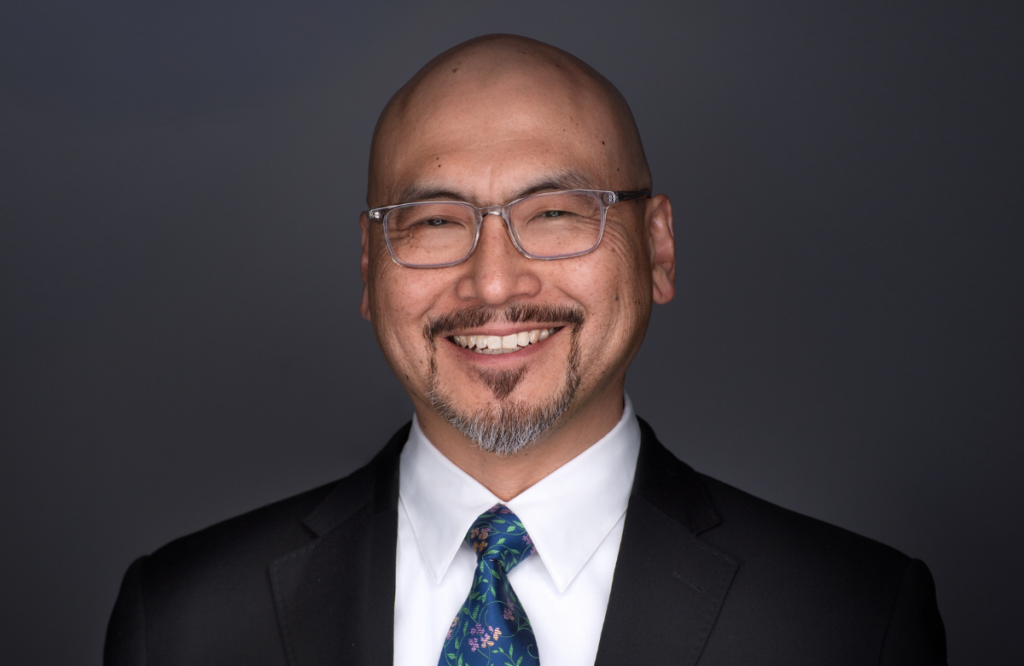
Hearn Jay Cho, MD, PhD has spent more than two decades advancing myeloma science and care. As the chief medical officer of the MMRF, Dr. Cho develops the MMRF’s clinical research strategy and leads the Multiple Myeloma Research Consortium, a network of leading cancer centers.
Dr. Cho is a clinical professor of medicine at the Icahn School of Medicine at Mount Sinai and an attending physician at Mount Sinai’s Tisch Cancer Center. His laboratory is investigating novel therapies for myeloma.
Here, Dr. Cho shares what drew him to work on behalf of myeloma patients and why he’s optimistic about the future.
What drew you to oncology and myeloma as a specialty?
I planned to go to medical school and become a surgeon, but that changed pretty quickly. I took an immunology course that included lectures on how the immune system interacts with cancer. This was the mid-1980s—the very beginning of modern cancer immunotherapy—and the idea that you could harness the immune system to treat disease really captured my attention. I got involved in cancer immunology research as an undergraduate, and from there, I decided to pursue my medical degree and a doctorate with a focus on immunology. Today, I’m essentially doing what I set out to do at 20. Myeloma came into the picture during my fellowship. It stood out because it’s a disease of the immune system, which aligned with my scientific interests. Being there at the start of the modern treatment era—from early thalidomide trials through to today’s immunotherapies—made it both compelling and rewarding.
I happened to enter the field at a moment when myeloma research was beginning to accelerate. Looking back, my career has really paralleled the modern era of myeloma therapy, from the first novel agents to today’s cellular therapies. It has been remarkable to watch those advances unfold and, more importantly, to see what they have meant for patients.
What motivated you to come to the MMRF, and what do you find most fulfilling about your role?
I worked with the MMRF as an investigator from the earliest part of my career. The MMRF was one of the main drivers of innovative research that resulted in new myeloma therapies. We continue that mission today through collaboration. The field today is heavily driven by pharmaceutical innovation, which has led to tremendous progress—but no single company has all the answers. To really move the field forward, you need a way to bring different agents, ideas, and datasets together, and that requires a trusted third party. The MMRF is uniquely positioned to play that role.
What appealed to me most was the mission. At the MMRF, everyone is working toward the same goal: developing better treatments and, ultimately, cures for patients. That clarity of purpose makes it easier to do ambitious work across institutions and sectors.
I’ve found it incredibly fulfilling to work alongside a team that is deeply committed and highly collaborative, and to contribute in a way that helps shape not just individual studies, but the direction of the field. Everyone across the organization is aligned on the same mission. Whether you work in research, clinical operations, fundraising, communications, or another function, the focus is always on advancing the best programs for patients. That shared sense of purpose is incredibly motivating.
What makes you most hopeful about where myeloma research and care are headed?
When I started in myeloma around 2000, patients were still being told that survival was two to three years. We had older chemotherapies that didn’t work well, and patients inevitably relapsed. What’s remarkable is that I’ve now followed some of the same patients for more than 20 years. These patients are living proof of the field’s progress. However, the job is not finished.
There have been three major revolutions in myeloma. The first was the introduction of targeted agents like Velcade® and Revlimid®. The second was the arrival of immunotherapies, particularly monoclonal antibodies like Darzalex® and Sarclisa®. And the third has been T-cell–redirecting therapies, including CAR T and bispecific antibodies.
What gives me the most hope now is that we’re entering a phase where curative therapy is not just theoretical, it’s feasible. We are also getting closer to understanding which patients are most likely to benefit from specific treatment approaches. We have a powerful set of tools. The challenge and opportunity are figuring out how to use them— guided by data and science—to deliver the best possible outcomes for patients. You need science, data, and a platform to test hypotheses, and we have all of those things moving forward today.
How the Horizon One trial is already delivering on its promise to drive faster progress for relapsed/refractory myeloma patients.
The Multiple Myeloma Research Foundation® (MMRF®) is proud to share that the Horizon One clinical trial has fully enrolled its first treatment arm six months ahead of schedule.
Horizon One is a groundbreaking trial conducted across the MMRF’s Multiple Myeloma Research Consortium® (MMRC®), a network of leading cancer centers conducting early-stage clinical trials and translational studies, to identify the best treatment combinations, sequences, and durations for relapsed and refractory multiple myeloma—with the fewest side effects for patients.
“Patients with relapsed and refractory myeloma have more treatment options than ever before, but determining the right combination, sequence, and duration remains a critical challenge,” said MMRF President and CEO Michael Andreini. “Reaching full enrollment six months ahead of schedule reflects both the urgency of the need and the power of trials designed to move faster and deliver answers to patients and their physicians sooner.”
The trial’s first treatment arm is investigating dosing approaches with Tecvayli® (teclistamab), a bispecific antibody treatment manufactured by Johnson & Johnson. Investigators are studying whether patients can receive Tecvayli less frequently but still have durable responses—or even stop treatment altogether. Less frequent and fixed dosing approaches could not only reduce common and potentially serious side effects such as frequent infections but also the time and financial burdens of weekly injections.
Horizon One uses an innovative adaptive platform design, which allows investigators to test several treatments and generate data and insights faster than they could in a traditional clinical trial. Like other landmark MMRF studies, Horizon investigators are collecting critical data on patients’ tumor biology, immune profiles, and microbiomes.
In addition to enrolling at unprecedented speed, MMRC investigators have worked to enroll a patient population that is far more representative of the disease by race, age, and geography compared with other myeloma trials.
More than 30 percent of patients enrolled in the Horizon One trial so far are Black. About 20 percent of myeloma patients in the U.S. are Black, but historically, this group has only made up about four percent of patients in myeloma trials. Fifty-nine percent of patients enrolled in Horizon One are 71 or older to reflect the fact that the average age of a myeloma diagnosis is 69. This is a stark contrast to most other myeloma trials, which overwhelmingly enroll patients under the age of 65.
Looking ahead, the Horizon One team is working to open a new investigational arm testing a novel bispecific combination by the end of the year.
“This is just the beginning,” said the MMRF’s Chief Medical Officer Hearn Jay Cho, MD, PhD. “As we continue opening new treatment arms, Horizon One will generate the data patients and clinicians need to better understand how to use these therapies—and ultimately improve outcomes.”
For more than a decade, the Multiple Myeloma Research Foundation® (MMRF®) has built and maintained the largest and most comprehensive multiple myeloma dataset in the world. Importantly, the organization has shared this data with the field and invested in new studies and data types to keep it relevant.
Throughout the year, the MMRF hosts meetings and workshops to discuss the potential clinical impact of these data. The world’s leading researchers, clinicians, companies, and data scientists come together to discuss challenges, examine how emerging technologies can generate new insights, and find ways to put the MMRF’s data to work on questions that matter most to patients.
One of those meetings is the MMRF’s highly anticipated Immunity Workshop, which convenes the research community to discuss the role of the immune system in myeloma. The MMRF recently hosted an Immunity Workshop focused on one of the biggest questions in the field right now: How do we harness new AI tools and data analytics, along with everything we’re learning about the immune system, to improve patient outcomes?
Over a full day of presentations and panels, MMRF leaders, researchers and clinicians, and industry representatives from companies like Johnson & Johnson, Tempus AI, and One Biosciences shared how they’re using MMRF data and cutting-edge tools to improve our understanding of myeloma and the immune system, identify new biomarkers, refine risk stratification, and, ultimately, cure every patient.
Below, read the biggest takeaways from the day.
1. MMRF data and collaboration made the day’s biggest ideas possible
The clearest throughline of the entire workshop was that no single institution, company, AI agent, or dataset can solve myeloma alone. Speakers repeatedly emphasized the need for the kinds of large-scale shared data sets and field-wide collaborative efforts that are hallmarks of the MMRF’s model.
Throughout the workshop, presenters referenced the MMRF’s groundbreaking CoMMpass℠ Study and Immune Atlas as foundational datasets that the entire field is building on.
“We are using Immune Atlas data as a foundation to build on to understand the biology of myeloma and identify new biomarkers,” shared Manoj Bhasin, PhD, MS of Emory University School of Medicine, a co-principal investigator on the MMRF’s Immune Atlas project.
The MMRF team shared the evolution of its data initiatives culminating in the recently launched MMRF Virtual Lab®, along with updates from the Horizon Clinical Trials Program and Translational Research Umbrella Program that are designed to generate new data for the field. Looking ahead, MMRF leaders shared plans to introduce new data challenges that would invite researchers to leverage Virtual Lab and MMRF data to answer some of the questions raised throughout the day.
As MMRF leadership noted throughout the day, progress doesn’t happen in isolation. By bringing together partners who are all working on a shared goal, building on MMRF’s foundational data and tools, and integrating data sets from across the field, we’ll accelerate a cure for every patient faster.
2. The importance of the immune system in myeloma cannot be overstated
Another recurring theme was that long-term remission not only depends on killing cancer cells, but on whether a patient’s immune system can keep the disease under control over time.
Researchers presented evidence that immune dysfunction—particularly among an important type of white blood cell called T cells—may encourage relapse and that the immune environment surrounding myeloma cells may play an important role in disease progression.
Sessions such as these highlighted the need for further research on immune health and ways to strengthen a patient’s defenses. In other sessions, researchers called for new biomarkers to capture the strength of a patient’s immune system and track how they respond to treatment in the clinic and in clinical trials.
3. Cutting-edge technologies are mapping the immune microenvironment
Researchers have long studied myeloma cells in isolation, but increasingly, they’re looking at the surrounding immune cells, stromal cells, and bone marrow, which are collectively known as the tumor or immune microenvironment.
Using advanced single-cell sequencing and spatial mapping technologies, researchers are now able to see, cell by cell, how myeloma and immune cells interact and influence each other, revealing subtle changes and patterns that were once invisible. Speakers were candid that no single technology has all the answers. What’s needed instead is a combination of tools and high-quality data to generate more insights.
4. AI is identifying new biomarkers
Several speakers described using AI models trained on large datasets to predict which patients are likely to respond to a given therapy and estimate a patient’s “immune age” as a measure of immune fitness.
Workshop attendees expressed measured optimism about AI, with several noting that buzz-worthy AI models haven’t been validated widely enough to impact care. This is especially important for a disease as heterogeneous and complex as myeloma. Attendees nevertheless shared that AI is a powerful tool that will work best alongside human oversight and rigorous science.
5. “AI co-scientists” are helping researchers generate hypotheses and drug targets
Another talk from a researcher at Mass General explored “agentic AI,” or AI systems that can independently search scientific literature, spot gaps in current knowledge, generate new hypotheses, and even design experiments to test them. These tools are already helping automate literature reviews and surface research questions that might otherwise take months to surface, freeing researchers’ time for other tasks.
Relying too heavily on AI to guide scientific direction, however, can narrow the range of ideas researchers pursue. These tools work best with a scientist firmly at the helm, deliberately pushing for novel ideas.
Beyond prediction, some teams are putting AI to work on drug discovery. A researcher at Emory University described a group of AI agents that can propose entirely new combinations of treatment targets. It has already identified a promising new pairing alongside BCMA (a well-established myeloma target) that is now headed to laboratory testing to see if it holds up.
6. AI is turning messy medical records and scientific literature into usable knowledge
A team from Mount Sinai shared two AI systems tackling a critical problem: Most of what we know about patients is buried in messy, unstructured clinical notes, and most of what we know from published research takes months or years to reach the databases doctors use.
One system, built on large-language models, reads through electronic health records and structures the information into research-ready data in just a few hours. A companion system continuously scans scientific literature. It found that today’s most widely used precision-oncology databases are missing recently discovered mutations that have been linked to resistance against newer myeloma therapies. Identifying such knowledge gaps could directly inform a patient’s treatment.
7. AI-guided pathology tools are speeding up clinical trial enrollment
A researcher from Johnson & Johnson described an AI tool the company developed to support one of its clinical trials for a bladder cancer therapy. The tool scans routine pathology images to help predict whether a patient likely carries a mutation required for trial eligibility before formal genetic testing comes back. It is not meant to replace such testing but to help patients and their doctors make a faster decision about whether to pursue the trial.
The researcher noted that building the model was not the biggest challenge. It was integrating the tool into real clinical workflows and earning physician trust in its results.
The approach was developed for bladder cancer, but several attendees raised the possibility of adapting it for myeloma.
8. AI’s real-world performance still often trails the hype
Throughout the meeting, several speakers offered sobering, real-world counterpoints to the AI hype in cancer research. One widely used pathology-image model, for example, had only modest impact in the clinic—a reminder that AI tools trained on narrow data don’t always hold up in the messier real world. Another AI system built to flag disease progression and match patients to clinical trials performed about the same as oncologists doing this on their own.
These weren’t presented as failures so much as honest examples of the fact that while AI is a genuine accelerant in research, it isn’t magic. Just as with any new myeloma treatment or test, the field needs to rigorously test AI tools and find out where they add value.
9. The new definition of cure is top of mind
Just a few months ago, the International Myeloma Society hosted a historic meeting to agree on a new definition of a cure for myeloma. At the MMRF’s Immunity Workshop, a panel of leading myeloma physicians discussed the new definition and what the field is focusing on going forward.
Panelists described treating several patients who had had deep, treatment-free remissions for a decade or more and may be functionally cured. While it’s clear that the immune system plays an important role in keeping cancer under control for such patients, panelists highlighted that we still don’t fully understand the interplay between the immune system and myeloma. Data, such as the MMRF’s Immune Atlas, are key to unlocking the immune system’s complexity and understanding how patients achieve functional cures.
Data will also help physicians better stratify patients who have a small number of abnormal cells to predict which patients will progress to myeloma and need treatment and which will be able to safely live in an MGUS-like state indefinitely and without treatment.
Now that the field has defined what a cure looks like for myeloma, researchers aim to gain a greater understanding of why some patients relapse after long remissions, how patients’ immune systems can be strengthened, and how more patients can achieve cures.
The Multiple Myeloma Research Foundation looks back on 15 years of the CoMMpass Study’s impact.
When the Multiple Myeloma Research Foundation (MMRF) launched the CoMMpassSM Study in 2011, it set out to do something unprecedented for a cancer as uncommon as multiple myeloma. CoMMpass would enroll more than 1,000 newly diagnosed patients over four years, sequence their myeloma genomes, track their outcomes for eight or more years, and share its data with the rest of the field.
“The MMRF CoMMpass Study is the single most important thing going on in the myeloma world,” said David Siegel, MD, PhD of Hackensack University Medical Center early on.
Fifteen years later, the MMRF’s audacious bet has become one of the most complete molecular portraits of any cancer, and CoMMpass is now widely considered to be the most valuable dataset in myeloma. To date, more than 3,000 researchers have accessed CoMMpass data and used it in more than 700 publications.
Here, the MMRF looks back on CoMMpass’ impact in myeloma over the last 15 years, along with what’s to come.
A study rooted in collaboration and access
From the start, CoMMpass was designed to be different from almost every other study in myeloma. It paired a longitudinal structure—where the same patients were followed over years—with robust data collection that hadn’t been seen in myeloma at this scale.
The 1,143 newly diagnosed patients who enrolled in CoMMpass were followed for at least eight years and consented to bone marrow and blood sampling across several moments in their myeloma journey: at baseline, remission, and relapse. In 2023, follow-up was completed for the final cohort of enrolled patients.
To achieve this massive undertaking and the genomic sequencing of all available samples, the MMRF brought together academic, industry, and other partners that are sometimes seen as competitors. Ultimately, this provided a blueprint for large-scale collaborative cancer research. In total, 76 medical centers across North America and Europe enrolled patients into the CoMMpass study.
The MMRF made two additional innovative decisions: The data would be shared publicly, and it would be shared at regular intervals before study completion. Most studies only share data at the end, and the data is often held only by the team that did the work.
These decisions, along with the scale and structure of CoMMpass, led to a steady stream of published discoveries that have transformed myeloma from a poorly understood disease into one of the most deeply characterized cancers.
New insights into myeloma risk
CoMMpass data helped reshape the field’s understanding of risk by revealing that it is not defined by a single marker, but by combinations of genetic features and how they interact. Thanks to CoMMpass, we now know that some features once considered high-risk on their own are only significant in the presence of other features. At the same time, some high-risk patients are missed by standard risk assessments, highlighting the need for more precise risk modeling.
For example, CoMMpass data identified an ultra-high-risk form of myeloma known as “double‑hit” myeloma that occurs in about six percent of patients. These patients have a specific combination of genetic alterations, including a complete loss of both copies of the TP53 gene and other chromosomal changes, that together, cause a particularly aggressive form of myeloma. While some of these alterations can be detected individually, the combinations that make them ultra-high risk are not fully captured by traditional risk assessments.
In 2024, the MMRF and its collaborators published a landmark analysis of the full CoMMpass cohort in Nature Genetics. Drawing on data from all 1,143 patients in the study, researchers offered the most complete picture yet of how myeloma progresses from a treatable condition to a high-risk state—and, for the first time, proved that the rate at which patients transition to a high-risk subtype could be measured. It proved what CoMMpass data had suggested for years: that a patient’s risk level isn’t fixed at diagnosis but can and does change as the disease progresses.
CoMMpass data has also been used to demonstrate that, for patients who can access them, next-generation sequencing methods can more precisely predict risk than standard methods.
These findings and others from the CoMMpass dataset helped lay the groundwork for the new consensus definition of high-risk myeloma that was recommended by the influential International Myeloma Society (IMS) and the International Myeloma Working Group (IMWG) in 2025.
Advancing new treatments for myeloma
Identifying new myeloma subtypes and high-risk features only matters if those insights change how patients are treated. From the beginning, CoMMpass was built to harness genomic discoveries and turn them into new therapies and improvements in care.
For example, CoMMpass data was used to confirm findings showing that autologous stem cell transplant was superior to traditional treatment approaches like chemotherapy, helping make it the standard of care.
The MMRF’s clinical research subsidiary, the Multiple Myeloma Research Consortium® (MMRC®), launched the first genomically-guided platform trial for myeloma, MyDRUG, based on discoveries in the CoMMpass dataset. MyDRUG aimed to match patients to targeted therapies that were approved for other cancers based on specific features of their disease. The MMRC then built upon learning from the MyDRUG trial to launch the groundbreaking Horizon platform trials in 2024.
CoMMpass’ scale has also been an asset for clinicians treating individual patients and especially those with rare genetic features. Some have been able to identify patients with similar characteristics in CoMMpass and tailor treatment based on the data.
Revealing myeloma’s complexity
Very early MMRF research suggested that myeloma was highly heterogeneous, but the field lacked data that showed when and how the disease evolved during a patient’s treatment journey. Over the years, researchers have leveraged CoMMpass data and advanced sequencing technology to not only demonstrate that myeloma is highly heterogeneous, but to identify 12 distinct genomic subtypes of the disease that could be further studied.
“By repeatedly sampling patients across their myeloma journey, CoMMpass gathered vast amounts of data about how myeloma evolves, what new mutations emerge over time, and how patients develop drug resistance,” said George Mulligan, PhD, MMRF chief scientific officer. “This helped evolve the field’s understanding of myeloma from a static disease to an evolving one.”
One of CoMMpass’ distinguishing features was its commitment to enrolling a patient population that closely mirrors the real-world myeloma community. Because of that, researchers can be more confident that the insights from CoMMpass apply to the broader myeloma population, unlike findings from other similar studies, which tend to enroll more homogeneous groups of patients. This representative dataset helped uncover important biological differences across racial groups and showed that, when patients receive the same treatments, survival outcomes are comparable across races—highlighting the critical importance of equitable access to high-quality care.
Mapping patients’ immune systems
In 2019, the MMRF launched its Immune Atlas project to define the immune microenvironment and its role in myeloma. From 2020–2023, the MMRF and its collaborators at five leading academic medical centers used bone marrow and blood samples from CoMMpass to conduct sophisticated immune profiling at the time of a patient’s diagnosis and during their disease journey (after stem cell transplant or at treatment response or relapse).
Earlier this year, the MMRF and its partners published two important studies from its Immune Atlas data. These papers offered important new insights into the immune system’s role in myeloma—and once again demonstrated the value of the MMRF’s collaborative model and datasets like CoMMpass. Over the coming years, Immune Atlas investigators expect to share more results and insights as they continue to analyze this data.
Building on CoMMpass’ impact
To further extend the reach of its datasets, the Foundation recently launched the MMRF Virtual Lab®, the largest and most comprehensive data-sharing platform in multiple myeloma. Virtual Lab now houses all the data the MMRF has generated across its landmark research projects, including the final genomic and clinical data from CoMMpass.
By continuing to make this data available to researchers around the world—as the MMRF has done for the last 15 years—but in a more sophisticated platform with built-in analytical tools, CoMMpass data will remain as relevant as ever.
CoMMpass has done more than deepen our knowledge of myeloma and prove that the disease could be studied at remarkable scale. It changed how the entire field works, with many myeloma researchers turning to CoMMpass data every time they have a new idea or hypothesis to test.
“CoMMpass is more relevant today than it was when we first embarked on it,” says CoMMpass principal investigator Sagar Lonial, MD of Emory University. “When we’re doing an analysis or something new in myeloma, the first question is always: Well, what does CoMMpass say about this?”
Today, CoMMpass continues to generate new insights, and the model it pioneered now extends well beyond its original design. For the MMRF, it’s a foundation to keep building on toward our ultimate goal: a cure for every myeloma patient.
Three years ago, a multiple myeloma diagnosis blindsided Mike Cullen Johnson. Now in remission, he cycles to raise funds for the MMRF.

When it came to his health, Mike Cullen Johnson had done everything right. He ate well, he took care of himself, he lived a full life with his wife, Alicia, and their children. So when Mike went in for his annual physical and his bloodwork came back with an abnormal result, he wasn’t worried—least of all about a multiple myeloma diagnosis.
Mike still remembers the shock he felt the moment his oncologist told him he likely had myeloma. Alicia hadn’t come to the appointment, so Mike drove himself home.
“That was the longest drive ever,” he said. “I think I slept for two or three days just hoping I would wake up and discover that this was a dream. I was in denial, because I’ve pretty much lived my life in a way to safeguard myself from a diagnosis like this—doing all of the things you’re supposed to do.”
Unfortunately, it wasn’t a dream, and his diagnosis sent him into a very dark place.
“I immediately started to think: How long do I have to live? Is it a year? Is it two years?” he said. “Mentally, I had become very broken.”

A deeply spiritual person, Mike turned to prayer, journaling, and meditation to heal as he prepared for treatment: induction chemotherapy followed by a stem cell transplant. Today, he is in remission on maintenance therapy and “pretty much doing everything I did before the diagnosis,” he said.
That includes pursuing one of his biggest passions: cycling.
“When I was diagnosed, I really didn’t see myself getting on a bike again,” he said. “When I told my doctor I was planning a six-day, hundred-plus-mile ride, he told me, “You look good. Your numbers look good. Live your life.’ That’s the mindset I’ve carried ever since.”
Cycling is also what brought Mike to the Multiple Myeloma Research Foundation (MMRF). He found the Foundation’s Road to Victories cycling program while researching charity rides for myeloma and has since completed two events for the MMRF.
“With myeloma, or any disease, you can feel isolated. When I found the MMRF, I immediately thought: This is my community. This is the group of people that I need to be around,” he said.
Mike is keenly aware that outcomes like his aren’t always possible for every myeloma patient—and of how far myeloma research has come because of the MMRF’s groundbreaking research.
“I’m encouraged more than anything because the MMRF is working on patients’ behalf, advancing treatments,” he said. “They’re going to help someone’s kid, someone’s dad, someone’s mom. That’s what I’m really fighting for and why I give.”