Welcome to our final recap of the latest research on myeloma treatments presented at the American Society of Hematology (ASH) Annual Meeting in San Diego. Highlights from the final day included:
- Promising data on Darzalex significantly delaying disease progression in high-risk smoldering multiple myeloma
- New updates on Sarclisa-based quadruplet regimens for newly diagnosed multiple myeloma
- New data on currently available CAR T-cell therapies and bispecific antibodies for relapsed/refractory disease
- Insights on the use of antibody drug conjugate belantamab mafodotin for early relapse
- New updates on investigational CAR T-cell therapies and bispecific antibodies
Let’s jump into the latest findings!
High-risk Smoldering Multiple Myeloma
Darzalex (daratumumab)
Researchers from Greece demonstrated that treatment with Darzalex can significantly delay the progression from smoldering multiple myeloma (SMM) to active disease in high-risk patients. Data from this abstract, simultaneously published in the New England Journal of Medicine (Dimopoulos et al.), showed that patients receiving Darzalex had a 51% lower risk of progression (that is the time until myeloma is detected) compared to those under active monitoring, the current standard of care after a median of more than 5 years of follow-up. The most common serious side effect in both arms was hypertension, affecting approximately 5%. Approximately 5% of patients in the Darzalex arm discontinued treatment.
High-risk SMM is an asymptomatic precursor to multiple myeloma, and early treatment strategies may improve outcomes for patients with a high risk of progression to active disease. The researchers emphasized that findings from this phase 3 trial specifically apply to patients with high-risk SMM. Future research will explore whether Darzalex alone or in combination with other medications could help prevent disease progression in patients with high-risk SMM.
Newly Diagnosed Multiple Myeloma
Sarclisa (isatuximab)
Two abstracts showed that Sarclisa in combination with the current standard of care demonstrated significant treatment benefits in patients with newly diagnosed multiple myeloma (NDMM). Sarclisa is an anti-CD38 antibody in the same class as Darzalex and is administered intravenously.
The first abstract showed that Sarclisa in combination with Revlimid (lenalidomide), Velcade (bortezomib), and dexamethasone (Isa-VRd) induction therapy resulted in a 30% reduction in the risk of disease progression in transplant-eligible NDMM patients compared to VRd. Half of patients treated with Isa-VRd achieved minimal residual disease (MRD) negativity, indicating no detectable cancer cells, after 18 weeks of treatment. Side effects such as infections, diarrhea, and peripheral neuropathy were consistent with previous clinical trial findings of Isa-VRd.
In the next abstract, Dr. Orlowski and colleagues from MD Anderson Cancer Center reported that Isa-VRd induction therapy followed by maintenance with Isa-Rd demonstrated higher and sustained MRD negativity rates compared with the current standard of care in NDMM patients not eligible for a transplant. This analysis of the phase 3 study included 446 patients. Side effects of Sarclisa observed in this study were consistent with prior studies of Sarclisa and VRd.
Researchers conclude that Sarclisa-based quadruplets may represent an alternative new standard of care for patients with NDMM.
CAR T-cell Therapy for Relapsed/Refractory Multiple Myeloma
Abecma (idecabtagene vicleucel)
For patients with relapsed or refractory multiple myeloma considering treatment with Abecma (idecabtagene vicleucel), a CAR T-cell therapy, understanding factors that influence the effectiveness and side effects is important. Currently it is available for patients who have had two or more prior lines of therapy.
In a study of 108 patients, Dr. Hansen and researchers from the H. Lee Moffitt Cancer Center found that patients with high disease burden, such as advanced disease stage, and the presence of biomarkers of inflammation like ferritin and C-reactive protein before starting Abecma treatment were more likely to develop side effects such as neurotoxicity (ICANS). Patients who had extramedullary disease (ie, the presence of myeloma cells outside of the bone marrow) and those who had received prior treatment with a BCMA-targeting agent were less likely to have durable responses.
These findings highlight the importance of pre-treatment factors in shaping outcomes with ide-cel therapy and may help guide personalized approaches to optimize benefits while managing risks.
Carvykti (ciltacabtagene autoleucel)
In the next abstract, researchers in the United Kingdom reported that treatment with Carvykti led to significantly higher rates of MRD-negativity in patients with RRMM who have received at least one prior line of therapy, including a proteasome inhibitor (PI) and an immunomodulatory agent (IMiD), compared to standard therapies of Pomalyst (pomalidomide), Velcade, and dexamethasone (PVd) or Darzalex, Pomalyst, and dexamethasone (DPd). Carvykti is currently available for patients who have had one or more prior lines of therapy. These findings further support the use of Carvykti patients with Revlimid-refractory MM.
Bispecific Antibody for Relapsed/Refractory Multiple Myeloma
Tecvayli (Teclistamab)
Dr. Dima and researchers at the Cleveland Clinic Taussig Cancer Institute looked at how effective Tecvayli, a BCMA-targeting bispecific antibody, is for patients with relapsed/refractory multiple myeloma (RRMM) who previously received other BCMA-directed therapies like CAR T-cell therapy or antibody-drug conjugates (ADC). In this abstract, researchers found that while Tecvayli is effective for these patients, outcomes were generally better for those who hadn’t received prior BCMA treatments. Currently, it is available for patients who have had four or more lines of therapy.
Patients previously treated with BCMA-directed therapy had slightly lower response rates to and shorter median progression-free survival (PFS, time before the disease worsened) compared to for those without prior BCMA-directed therapies. The study also highlighted the importance of timing between BCMA-directed therapies. Patients who waited more than 9 months after their last BCMA-directed therapy before starting Tecvayli had better outcomes. Side effects like CRS and neurotoxicity (ICANS) were similar regardless of prior BCMA therapy; however, patients with prior BCMA-directed therapy were more likely to experience low platelet counts early in treatment. These findings suggest that Tecvayli is a valuable option for patients previously treated with BCMA therapies, and patients and caregivers should discuss the timing of starting Tecvayli with their healthcare team.
Elrexfio (elranatamab)
Dr. Tomasson and colleagues from the University of Iowa reported that Elrexfio, a bispecific antibody targeting BCMA, in combination with Kyprolis (carfilzomib) and dexamethasone shows promise for treating patients with RRMM. Currently, Elrexfio is available for patients who have had four or more lines of therapy.
In this abstract, researchers data from an early-phase study involving 12 patients, all of whom had received at least one or more prior lines of therapy. The most common side effects included fatigue, mild cytokine release syndrome (CRS), and low blood counts. Further studies ongoing will evaluate the benefits of Elrexfio combined with Kryprolis and dexamethasone in a larger population.
Antibody Drug Conjugate
Belantamab mafodotin
Researchers from Brazil reported that belantamab mafodotin combined with Velcade and dexamethasone (BVd) shows significant overall survival benefit, reducing the risk of death by 42% in multiple myeloma at or after first relapse compared to Darzalex with Velcade and dexamethasone (DVd). In this abstract, data was analyzed from 494 patients, of which 51% of patients had received 1 previous line of therapy, 52% had received prior Revlimid, while 34% of patients no longer responded to Revlimid; 28% had high-risk chromosomal abnormalities. The researchers note that additional studies will shed light on if BVd may be a potential new standard of care in MM at first relapse or later.
Emerging Treatment for RRMM
Cevostamab
Cevostamab is an investigational bispecific antibody that targets FcRH5, a new target on myeloma cells. In this study of 167 heavily pretreated patients (between 2 and 18, with a median of 6), Dr. Richter and researchers at Mount Sinai found that cevostamab demonstrated good response rates. Patients who had not previously received BCMA-targeted therapies responded better than those who had. Almost all patients (96%) were resistant to all three standard treatment classes: proteasome inhibitors, immunomodulatory drugs (IMiDs), and anti-CD38 monoclonal antibodies. A majority (57%) of patients had received one or more prior BCMA-targeted therapy. Common side effects included CRS, low white blood cell counts, and fatigue. Further analysis will evaluate the use of cevostamab in larger trials.
Mezigdomide
CELMoDs are a new class of oral myeloma drugs that work like immunomodulators such as Revlimid and Pomalyst. They also stimulate the immune system and kill myeloma cells directly, even for myeloma that has become resistant to certain treatment. Researchers from Canada presented their findings from an early phase trial evaluating mezigdomide, an oral CELMoD, in combination with dexamethasone and either Velcade (Mezi-Vd) or Kyprolis (Mezi-Kd). In this study, 77 patients who have had one or more prior lines of therapy received Mezi-Vd and 27 patients received Mezi-Kd. The authors reported that Mezi-Vd and Mezi-Kd demonstrated high response rates and side effects such as low white blood cell counts, infections, and low platelet counts.
HBI0101
Researchers from Israel reported data from an early phase clinical study of HBI0101, an anti-BCMA CAR T-cell therapy. Their study included 84 patients, most of whom were triple class refractory, showed high response rates and MRD negativity rates in patients treated with HBI0101. Common side effects included CRS, low white blood cell, low red blood cell, and low platelet counts.
Anitocabtagene autoleucel
Dr. Freeman and researchers at the H. Lee Moffitt Cancer Center reported their findings from an early phase trial evaluating anitocabtagene autoleucel, another anti-BCMA CAR T-cell therapy. The trial included 58 patients with RRMM who have received at least three prior lines of treatment. Patients treated with anitocabtagene autoleucel achieved high response rates and MRD negativity rates. Common side effects observed were CRS, low white blood cell, low red blood cell, and low platelet counts.
Further analysis will evaluate the use of these new therapies in larger trials.
We hope you enjoyed our daily recap of the latest advances in myeloma treatment. Keep an eye on themmrf.org for future updates!
Welcome to the second day of our recap of the latest findings on myeloma treatments reported at the American Society of Hematology (ASH) meeting in San Diego.
Highlights from today included:
- Promising data on the use of the bispecific antibody Tecvayli (teclistimab) for newly diagnosed patients or early relapse
- Insights on Etentamig (formerly ABBV-383), a bispecific antibody like Tecvayli and Elrexfio (elranatamab) still in clinical trials
- New updates on the antibody drug conjugate belantamab mafadotin
- New data on the addition of Darzalex to Revlimid maintenance therapy
Let’s take a closer look!
Tecvayli (Teclistamab)
Newly diagnosed multiple myeloma
Several abstracts highlighted promising results on the use of Tecvayli (teclistamab) in combination with other drugs for patients with newly diagnosed multiple myeloma (NDMM) and those who relapse after one or more line of treatment. Currently, it is available for patients who have had four or more lines of therapy.
In the first abstract, 49 patients with transplant-eligible NDMM were treated with Tecvayli in combination with Darzalex, Revlimid, and dexamethasone with or without Velcade (Tec-DRd) or (Tec-DVRd) as induction therapy. Researchers from Germany reported that 35 of 36 patients who completed at least 3 treatment cycles achieved minimal residual disease (MRD) negativity, indicating no detectable cancer cells. The most common side effects were infections and cytokine release syndrome (CRS), which presents as flu-like symptoms and is a common side effect of the bispecific antibodies. Further analysis will evaluate these combinations in larger trials.
Maintenance therapy
Revlimid maintenance therapy after autologous stem cell transplantation (ASCT) has been the standard-of-care for transplant-eligible NDMM. However, patients eventually relapse, supporting the need for better strategies for maintenance therapy. In this abstract, researchers from Italy reported data from an early phase trial that Tecvayli with or without Revlimid could be safely given as maintenance therapy for 90 patients with transplant-eligible NDMM. Common side effects included infections, low white blood cell counts, CRS, cough, diarrhea, and fatigue. All patients enrolled in the study who received Tecvayli with or without Revlimid as maintenance therapy achieved MRD negativity. These findings support the ongoing study of Tecvayli alone or in combination with Revlimid as maintenance therapy.
Relapsed/refractory multiple myeloma
In the next abstract, Dr. D’Souza and colleagues at the Medical College of Wisconsin showed that Tecvayli in combination with Darzalex and Pomalyst may lead to better responses, especially in patients with relapsed or refractory multiple myeloma (RRMM) who had one or more lines of therapy. Common side effects reported in this early phase trial of 27 patients with RRMM were infections, low white blood cell, red blood cell, and low platelet counts. The researchers concluded that, pending the results of a larger study, Tecvayli in combination with Darzalex and Pomalyst may be a new triplet therapy for early relapsed myeloma.
New Bispecific Antibody
Etentamig (formerly ABBV-383) is a new bispecific antibody that targets B-cell maturation antigen (BCMA) that is being evaluated with monthly dosing from the beginning of treatment, unlike Tecvali and Elrexfio which are administered weekly through 24 weeks after initial step-up.
Dr. Rodriguez and colleagues at Mount Sinai presented results from an early phase trial of ABBV-383 combined with Darzalx and dexamethasone in this abstract. The study, which aimed to identify the best dosage of ABBV-383, included 60 patients who received 3 or more prior lines of therapy including a proteasome inhibitor and an immunomodulatory drug. Of this group 70% had received anti-CD38 mAb therapy. Most common side effects included low platelet, white blood cell, and red blood cell counts, CRS and fatigue. Their findings suggest that ABBV-383 in combination with Darzalx and dexamethasone is tolerable and early response rates were promising. Ongoing trials will offer more information on the potential use of ABBV-383 in RRMM.
Antibody Drug Conjugate Belantamab Mafodotin
In this abstract, Dr. Usmani and colleagues from Memorial Sloan Kettering Cancer Center showed belantamab mafodotin combined with VRd led to good response rates in patients with NDMM who are ineligible for transplant. Vision problems were the most common side effect. These side effects were managed by briefly stopping treatment or reducing the dose of belantamab mafodotin, allowing most patients to continue treatment. With these promising results, future studies will continue to evaluate the potential of belantamab mafodotin in patients with newly diagnosed disease.
Maintenance Therapy
In the final abstract, Dr. Foster colleagues at the University of Virginia reported that Darzalex in combination with Revlimid maintenance therapy resulted in better remission rates (MRD-negative) and longer disease control compared to Revlimid alone. The researchers evaluated data from the phase 3 AURIGA study that included 200 transplant-eligible NDMM patients who were MRD-positive after ASCT regardless of age, race, or risk profile. Findings from this trial revealed that maintenance therapy with Darzalex combined with Revlimid prolonged the time to disease progression across all subgroups of patients, including those with high-risk disease. Low white blood cell counts and infections were the most common side effects observed in this phase 3 trial of 200 patients with NDMM.
The researchers conclude that these results further support adding Darzalex to Revlimid maintenance therapy for patients with NDMM following stem cell transplant.
Be sure to come back tomorrow for our final day of updates in the treatment of myeloma at ASH 2024.
Welcome to our 2024 recap of the latest research on myeloma treatments reported at the American Society of Hematology (ASH) meeting that kicked off Saturday in San Diego. Highlights from today included:
- Data to support stopping maintenance therapy after a sustained deep remission
- New insights into how to more accurately identify patients with high-risk disease
- Confirmation of the decreasing value of collecting 24-hour urine samples for most patients
- Improved understanding of the predictors of long-term survival
- Updates on iberdomide (a next-generation IMID like Revlimid still in clinical trials)
Let’s dive in!
Maintenance Therapy
Autologous stem cell transplantation (ASCT) followed by Revlimid (lenalidomide) maintenance continues to be the standard of care for eligible patients with newly diagnosed multiple myeloma (NDMM). Currently, patients with myeloma typically stop maintenance therapy when their disease progresses, meaning there is no set timeframe to stop treatment. However, researchers are finding that patients with sustained (durable) minimal residual disease (MRD) negativity (that means that no myeloma cells were detected) may be able to safely stop maintenance therapy.
In this abstract, researchers from Greece found that maintenance therapy could be stopped for certain patients might be able to stop taking Revlimid maintenance therapy if they were consistently MRD-negative for 3 years. The study included 194 patients who received induction with proteasome inhibitor-based regimens (ie, regiments with Velcade or Kyprolis) and underwent ASCT.
The researchers conclude that sustained MRD negativity after ASCT and a completion of 3 years of Revlimid maintenance may guide the safe discontinuation of maintenance, but more study in clinical trials is needed.
High-risk Myeloma
In an analysis of data collected from the MMRF CoMMpass study, Dr. Shan and researchers at the Albert Einstein College of Medicine showed that those who relapse within 12 months of initial therapy have an overall survival (OS) of less than 24 months, regardless of the presence of high-risk features at diagnosis. Out of the 228 myeloma patients classified as functional high-risk myeloma, 63 did not have high-risk chromosomal features specifically–t(4;14), t(14;16), t(14;20), 1q amplification (amp1q), 17p deletion(del17p), or a p53 mutations. The researchers conclude that future studies are needed to confirm if functional high-risk status could be a useful tool for identifying patients who lack chromosomal changes with poor prognosis.
24 Hour Urine Test
24-hour urine assessments are a key component of International Myeloma Working Group (IMWG) response criteria for myeloma and are requested in clinical trials even if not routinely used in real-world practice. Recent research has suggested a limited role for 24-hour urine assessment if serum immunofixation or free light chain testing is abnormal. In this abstract, Dr. Banerjee and colleagues at the University of Washington analyzed data from 636 patients in the phase 3 STaMINA trial. Outside of situations such as AL amyloidosis where 24-hour urine assessments remain critical or for patients with urine as their only measurable MM biomarker, our results support the removal of 24-hour urine assessments from future iterations of IMWG response criteria.
Predictors of Long-term Survival
While there is no cure, the prognosis for myeloma patients has significantly improved, thanks to advances in treatments over the past 10-20 years. The life expectancy for multiple myeloma patients depends on several factors, including the stage of the disease, genetic factors, age, and overall health. One study followed patients for at least 15 years to look at patient- and disease-related factors that may identify those who have a better chance of living 15 years after their diagnosis.
Findings from one abstract of 323 patients in this study, 40 survived at least 15 years. What factors helped predict long-term survival?
- Patients were younger (in their 50s) when first diagnosed
- Their disease was less severe when they started treatment.
- Most patients had a stem cell transplant early on
- Patients had a good response to their first treatment, with many showing no signs of myeloma after the initial therapy.
Iberdomide
Finally, the first day of ASH revealed some promising results on the use of iberdomide in the treatment of newly diagnosed patients who are not eligible for a transplant and those with intermediate and high-risk smoldering multiple myeloma (SMM), an early stage of myeloma that hasn’t yet caused symptoms but is identified by the presence of a serum monoclonal (M) protein of ≥3 g/dL and/or 10% to 60% clonal bone marrow plasma cells.
Iberdomide is a novel oral cereblon E3 ligase modulator (CELMoD™), which is like but more potent than Revlimid, with a dual function: activate the immune system and directly kill myeloma cells.
The first study, which included 75 patients enrolled in an early phase clinical trial, showed the addition of iberdomide combined with Darzalex (daratumumab) and dexamethasone was very effective, with 30 patients achieving MRD negativity.
The second abstract reported findings from an early phase trial that looked at the use of iberdomide alone or in combination with dexamethasone for the treatment of intermediate- or high-risk SMM). Of the 20 patients examined, Dr. Joseph and colleagues from Emory University found that 79% of those with intermediate- or high-risk SMM responded to iberdomide alone or in combination with dexamethasone. Common side effects included headache, abdominal cramping, dyspepsia, and insomnia.
Further studies will continue to evaluate iberdomide for the treatment of early-stages of disease.
Stay tuned tomorrow for additional updates from trials evaluating treatment of patients with newly diagnosed and relapsed/refractory disease.
- Data from the MMRF CoMMpassSM and Immune Atlas programs are featured in 36 abstracts, continuing to transform the understanding of myeloma biology and drive impactful research
Norwalk, Conn., December 6, 2024 – The Multiple Myeloma Research Foundation (MMRF®) today announced upcoming poster and oral presentations at the 66th American Society of Hematology (ASH) Annual Meeting and Exposition, taking place December 7-10 in San Diego, CA. 36 presentations will feature data from the CoMMpassSM and Immune Atlas programs, further solidifying CoMMpass as the reference dataset for advancing multiple myeloma research. The findings shed light on the biology of high-risk multiple myeloma and the tumor immune microenvironment, driving novel insights into disease stratification and treatment strategies.
“Our mission is to deliver a cure for every myeloma patient, and we know that comprehensive, scalable research initiatives are the key to achieving that goal,” said Michael Andreini, President and CEO of the MMRF. “With CoMMpass, we have generated critical insights on distinct subtypes and high-risk genetic markers of multiple myeloma, which has translated to clinical trials and research to inform efforts that can optimize treatments for all myeloma patients.”
Data from CoMMpass and the Immune Atlas programs to be highlighted at ASH include insights demonstrating the unique tumor biology and immune microenvironment of high-risk patients, including:
- A collaborative analysis led by MMRF with partners from Emory University and the Translational Genomics Research Institute (TGen) highlights the importance of integrating genetic, epigenetic, and transcriptional data to better understand high-risk multiple myeloma, focusing on DNA methylation patterns as a key factor in disease biology and progression.
- Data from a multi-center analysis demonstrates that specific patient types have reduced populations of myeloid and T-cells surrounding the tumor, revealing important new information about how the tumor and immune system interact in high-risk disease, which could help inform more effective treatments for specific patient populations.
“CoMMpass has been a cornerstone in advancing our understanding of the complex biology of multiple myeloma for over a decade,” said Jonathan Keats, Ph.D., Assistant Professor and Director of Bioinformatics and the Collaborative Sequencing Center at TGen, as well as a senior researcher involved in CoMMpass. “Through this program, we’ve made significant strides in understanding high-risk multiple myeloma, which is associated with poorer outcomes, and are paving the way for the development of more precise and effective therapies.”
About Multiple Myeloma
Multiple myeloma is a cancer of the plasma cells that develops in bone marrow. It is the second most common blood cancer in the U.S., with 35,750 new cases and 12,590 deaths estimated to occur this year. New agents and therapies have resulted in better outcomes, but most multiple myeloma patients eventually relapse.
About CoMMpassSM
The MMRF CoMMpass study is a collaboration with clinical centers and patients with active multiple myeloma. It is one of the largest and most impactful research efforts in multiple myeloma, following over 1,100 patients across 76 centers for at least eight years. The study maps patients’ tumor genomic profile to clinical outcomes with the goal of developing a more complete understanding of both disease biology and the patient’s response to treatments. With its inclusion in more than 200 published or presented studies, CoMMpass represents the largest longitudinal genomic dataset in multiple myeloma and has led to groundbreaking discoveries that have transformed how researchers understand the biology of the disease. The MMRF continues to support the use of this resource and makes the CoMMpass data available to other researchers globally.
About the Multiple Myeloma Research Foundation (MMRF)
The Multiple Myeloma Research Foundation (MMRF) is the largest nonprofit in the world solely focused on accelerating a cure for each and every multiple myeloma patient. We drive the development and delivery of next-generation therapies, leverage data to identify optimal and more personalized treatment approaches, and empower myeloma patients and the broader community with information and resources to extend their lives. Central to our mission is our commitment to advancing health equity so that all myeloma patients can benefit from the scientific and clinical advances we pursue. Since our inception, the MMRF has raised over $600 million for research, opened nearly 100 clinical trials, and helped bring 15+ FDA-approved therapies to market, which have tripled the life expectancy of myeloma patients. To learn more, visit www.themmrf.org.
Media Contact:
Adam Silverstein
Scient PR
[email protected]
The Horizon Clinical Trials Program uses an adaptive platform designed to test multiple therapies simultaneously to determine the best combination, sequence, and duration of therapy to improve patient outcomes
Norwalk, Conn., December 4, 2024 – The Multiple Myeloma Research Foundation (MMRF®) announced today that the first patient had been enrolled in the first arm of its Horizon Clinical Trials Program. Horizon is an adaptive platform clinical trial being conducted across the Multiple Myeloma Research Consortium (MMRC®), a select group of academic medical centers and community-based clinics across the U.S. The MMRC Horizon trial will have multiple investigational arms to allow for simultaneous testing of multiple novel drugs and therapeutic approaches to determine the best combination, sequence, and duration of therapy in critical patient populations, including those with relapsed and refractory myeloma.
“The MMRC has a proven record of opening nearly 100 clinical trials and generating evidence to inform optimal treatment strategies for patients. Despite a multitude of approved therapies for multiple myeloma, patients and physicians still face complex questions around the most effective treatment combinations, sequencing, and duration,” said Michael Andreini, President and Chief Executive Officer of the MMRF. “The MMRF plays a vital role in building partnerships between companies, researchers, and patients to accelerate new treatments and improve patient outcomes. These collaborations provide meaningful insights on optimal treatment approaches that will make a meaningful difference for patients.”
The MMRF initiated the MMRC Horizon Clinical Trials Program to test therapies in critical patient populations, beginning in patients with relapsed and refractory myeloma. Horizon, through its design and multi-institutional cooperation, is set up to answer research questions that other types of trials lack the capabilities to pursue. The adaptive clinical trial design will use multiple arms to test different therapies, offering key advantages over traditional trials, including the flexibility to make prospectively planned modifications to certain elements of the study design to efficiently facilitate the development of more precise treatments. The first arm of Horizon is enrolling patients and will evaluate dosing approaches with Tecvayli (teclistamab), which is manufactured by Johnson & Johnson. For more information on the clinical trial visit our website or go to clinicaltrials.gov (NCT06171685).
“Johnson & Johnson is committed to advancing therapies for multiple myeloma across all stages of the disease,” said Imran Khan, MD, PhD, Vice President, Medical Affairs, Hematology, Innovative Medicine, Johnson & Johnson. “As a leader in multiple myeloma, we have a responsibility to continue to understand how our approved therapies can help patients in the clinical setting. We’re pleased to support the MMRF in conducting this research.”
“When I was first introduced to the Horizon clinical trial concept, I was on board immediately,” said Cindy Varga, MD, Atrium Health Levine Cancer Institute, MMRC Steering Committee member and Horizon investigator. “It is a truly unique platform as it allows us to test multiple new treatment strategies in a timely manner, significantly reducing the time it would take to obtain results. The benefit it offers myeloma patients cannot be emphasized enough.”
About Multiple Myeloma
Multiple myeloma is a cancer of the plasma cells that develops in bone marrow. It is the second most common blood cancer in the U.S., with 35,750 new cases and 12,590 deaths estimated to occur this year. New agents and therapies have resulted in better outcomes, but most multiple myeloma patients eventually relapse.
About the Multiple Myeloma Research Foundation (MMRF)
The Multiple Myeloma Research Foundation (MMRF) is the largest nonprofit in the world solely focused on accelerating a cure for each and every multiple myeloma patient. We drive the development and delivery of next-generation therapies, leverage data to identify optimal and more personalized treatment approaches, and empower myeloma patients and the broader community with information and resources to extend their lives. Central to our mission is our commitment to advancing health equity so that all myeloma patients can benefit from the scientific and clinical advances we pursue. Since our inception, the MMRF has raised over $600 million for research, opened nearly 100 clinical trials, and helped bring 15+ FDA-approved therapies to market, which have tripled the life expectancy of myeloma patients. To learn more, visit www.themmrf.org.
Media Contact:
Adam Silverstein
Scient PR
[email protected]

How did you get involved with the MMRF?
When I was diagnosed with multiple myeloma in February 2021, I needed to find hope. Not just hope in an abstract sense, but real, tangible hope rooted in research, action and progress. That’s what the MMRF represents to me. Their dedication to funding research, accelerating treatments, and supporting patients gives me something to hold onto. I’ve made wonderful friends through MMRF too, so in a way, I feel like a part of the MMRF family.
Why did you choose to participate in the MMRF Walk/Run?
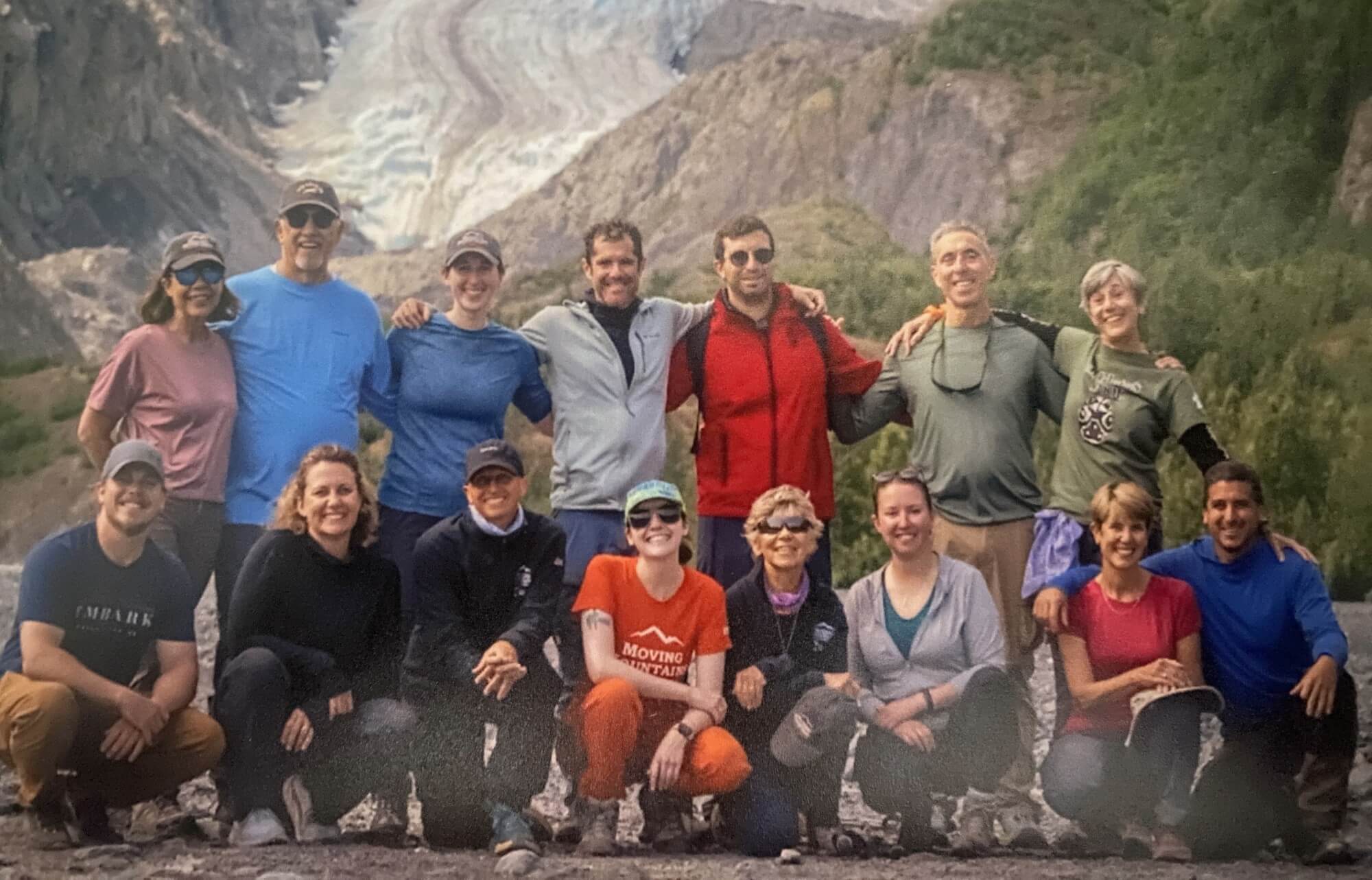
Walking has always been part of my life. I’ve walked with my walking partner, four mornings a week for 30 years. I walked with a dear friend who trained with me and walked with me on the Alaska trek, another MMRF fundraiser. And I have walked with beautiful friends who, even in the face of insurmountable odds, have shown me how to live with vitality, intention and connection. Walking isn’t just moving your legs—it’s a declaration that we are still here, still living, still showing up.
The MMRF Walk is more than a fundraising opportunity to me (although funding MMRF is more important today than ever). It’s about solidarity, community, and the choice to walk beside one another. I walk because I can. I walk for those who can’t. I walk toward a future where myeloma is no longer a life sentence.
The Spirit of Hope is given to “individuals/groups that inspire hope and show extraordinary commitment to the MMRF.” What does being given the award mean to you?
Hope is not passive. I don’t just sit back and wish for something better. Hope demands choice and action. It’s choosing, every day, to move forward, to invest in science, to believe in possibilities. Receiving this award is deeply humbling because I don’t see myself as doing anything extraordinary—I am simply choosing to keep walking, to keep showing up, to keep saying, “I’m not done yet.”
And it’s really not about me. The Spirit of Hope award is for every person who wakes up and chooses to go on, to care, to stand beside someone in their hardest moments. It belongs to my family, my friends, my medical team, my writing group, my clients and everyone needs to believe in a future without myeloma.
How have you found perseverance in light of obstacles? Please share any stories that have given you strength.
I have developed perseverance because of the people who walk with me.
My Thursday morning writing group, where we hold space for each other’s stories, healing the parts of us that long to be made whole.
John Waller, Ben Canales, and Jim Aikman, who captured our MMRF Alaska fundraiser on film. Watching John, who was himself living with stage 4 colon cancer, sprint up mountains, chase down bears and elk, laughing all the way, made a deep impression on me. It solidified my intention to persevere and live with vitality and intentionality.
My family—my children, my husband, my brothers, my mother, my extended family and dear friends—who have walked this road with me, helping me ward off the loneliness that pulls at all of us who live with cancer.
And I’ve learned something powerful: being vulnerable, telling the truth, and saying “I need you” is the path to the deepest connection. That connection sustains me. It is what enables me to keep going.
Do you have a favorite mantra, quote, lyric that gives you strength?
Yes. My mantra is simple, and it has been with me since way before my cancer diagnosis: “Just keep walking and the view will change.” No matter what today brings, I can take the next step, and the one after that, and the one after that. Before long, things change.
My daughters and I also love this Glennon Doyle quote: “We can do hard things.” Glennon reminds us that we’re all doing hard things every single day, like loving and losing; caring for children and parents; battling addiction, illness, and loneliness; struggling in our jobs, and in our relationships; setting boundaries; and fighting for what we value.
Anything to add?
Yes. This walk, this award, and this moment are part of something bigger. They are part of a conversation I want to have with the world—about presence, resilience, and the power of walking together. This is why I write. This is why I walk. And this is why I invite you to walk with me.
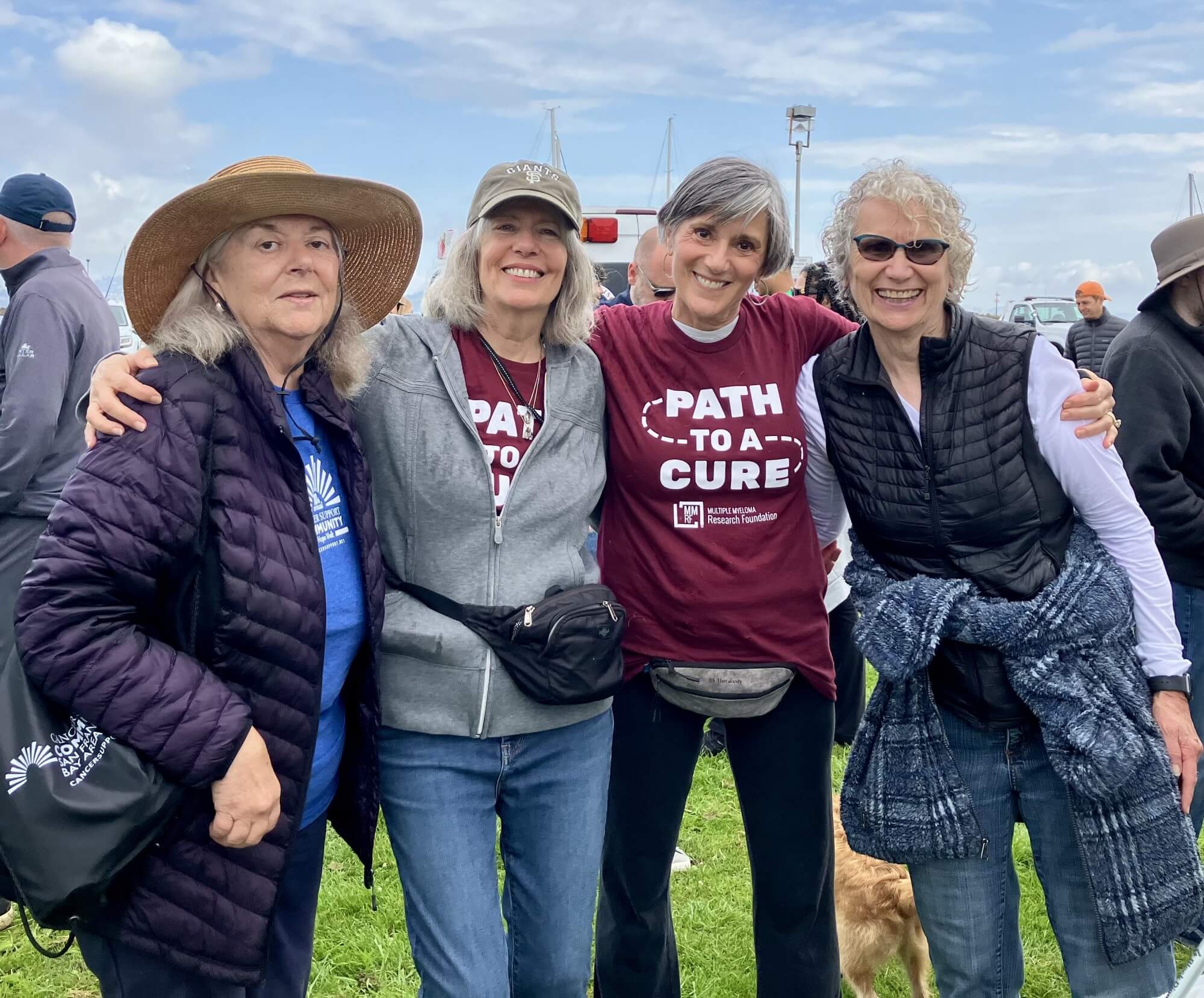
This award is presented at every Walk/Run to a patient, caregiver, or family who inspires hope through their resilience, perseverance, and dedication to the MMRF and its mission.
Learn more about the Spirit of Hope award and the 2025 recipients.
Studies presented at the 21st International Myeloma Society (IMS) Annual Meeting, held September 25–28 in Rio de Janeiro, focused on several important areas:
- Improved outcomes with US Food and Drug Administration (FDA)–approved quadruplet therapies, such as daratumumab and isatuximab, for newly diagnosed multiple myeloma (NDMM)
- Updates on studies evaluating innovative maintenance approaches, including new combinations and MRD-adapted strategies
- Promising results from chimeric antigen receptor (CAR) T-cell therapies and novel agents for relapsed/refractory MM (RRMM), including bispecific antibodies and antibody–drug conjugates (ADCs)
Transforming NDMM Outcomes: The Latest on Quadruplets
The evolving landscape of quadruplet therapy represents a shift towards more intensive initial therapy for NDMM patients. Adding a monoclonal antibody (eg, daratumumab or isatuximab) to standard three-drug regimens has shown to significantly improve outcomes for NDMM patients, whether or not they subsequently receive an autologous stem cell transplant (ASCT). The anti-CD38 antibodies daratumumab and isatuximab were recently approved as part of quadruplet therapy for NDMM.
Updates for Approved Quadruplet Therapies in NDMM
Daratumumab (dara) is FDA-approved as part of quadruplet therapy for NDMM patients. On September 20, 2024, the FDA also approved isatuximab (isa) in combination with VRd for transplant-ineligible (TI) NDMM patients. Updates were presented on several studies:
- PERSEUS: dara-VRd then dara-R maintenance
- CEPHEUS: dara-VRd vs VRd in TI patients or for whom transplant is not planned as initial therapy (transplant deferred)
- IMROZ: isa-VRd vs VRd in TI NDMM patients
- BENEFIT: isa-VRd vs isa-Rd in TI NDMM patients
In the latest PERSEUS update, at a median follow-up of 47.5 months, PFS was found to be superior with dara-VRd vs VRd across all cytogenetic risk subgroups. In addition, MRD-negativity rates were significantly higher with dara-VRd: 77.3% vs 48.1% in standard-risk patients (P<0.0001) and 73.1% vs 49.3% in high-risk patients (P<0.0001)—defined as the presence of ≥1 of the following cytogenetic abnormalities: del(17p), t(4;14), t(14;16), gain (1q21), and amp(1q21). Sustained MRD negativity for ≥12 months was also higher with dara-VRd.
Likewise, in TI or transplant-deferred NDMM patients, at a median follow-up of 58.7 months, results from the CEPHEUS study indicated that the PFS was significantly higher with dara-VRd (HR, 0.57; P=0.0005), with a 54-month PFS rate of 68.1% vs 49.5%. The overall MRD-negativity rate was also significantly higher with dara-VRd (60.9%) than with VRd alone (39.4%; P<0.0001). Results from PERSEUS and CEPHEUS support the use of dara-containing quadruplets as a standard of care (SoC) for NDMM.
For isatuximab, data from the IMROZ phase 3 study at a median follow-up of 59.7 months showed that the median PFS was not reached for isa-VRd, compared to 54.3 months for VRd (HR 0.596; 98.5% CI 0.406–0.876; P=0.0005) in TI NDMM patients. Isa-VRd also led to significantly higher rates of MRD negativity in patients with CR (55.5% vs 40.9%; P=0.003; by NGS at 10-5) and sustained MRD negativity for ≥12 months (46.8% vs 24.3%; P<0.0001). These results support the use of isa-VRd as another option to dara-VRd in TI NDMM patients.
Another study of isatuximab, BENEFIT, compared isaRd with or without the addition of weekly bortezomib (isa-VRd) in TI NDMM patients. At a median follow-up of 23.5 months, the 18-month MRD-negative rate at 10-5 (by NGS) was significantly higher with isa-VRd (53%, 95% CI 44-61) than with isaRd (26%, 95% CI 19-34; P<0.0001), also supporting the use of isa-VRd in non-frail TI NDMM patients.
Updates for Investigational Quadruplet Therapies in NDMM
Isatuximab is also being evaluated in combination with carfilzomib, lenalidomide, and dexamethasone (Isa-KRd). The IFM2020-02 MIDAS study evaluated the efficacy and safety of Isa-KRd induction therapy in NDMM patients. Among the 791 patients enrolled, the ORR was 95%, with 91% achieving very good partial response (VGPR) or better. Postinduction, the MRD negativity rate (by NGS) was 63% at a sensitivity of 10-5 and 47% at 10-6. The most common grade 3/4 adverse events (AEs) were neutropenia (25%), thrombocytopenia (5%), and infections (7%), with no new safety issues reported.
Another experimental quadruplet involves the addition of the anti-BCMA ADC belantamab mafodotin to VRd. In the phase 2 GEM-BELA-VRd trial, after 1 year of maintenance, the ORR was 96%, with a sCR/CR rate that improved over time to 82%. The MRD negativity rate was 91.2%. Ocular AEs such as blurred vision, foreign body sensation, dry eyes, and eye irritation occurred in 41.9% of patients during induction, though these improved before ASCT. Hematologic toxicity and infections, including respiratory infections, were manageable and as expected. At a median follow-up of 28.5 months, the 2-year PFS was 78%.
Belantamab mafodotin continues to be studied in the RRMM setting, with positive data from the DREAMM-7 and DREAMM-8 studies. The drug is expected to make a comeback on the market for use as a second-line option for RRMM patients; FDA application filing is expected by the end of 2024.
Results in Special Populations
Several studies focused on special populations, including patients ≥65 years and patients with high-risk disease.
Although the PERSEUS trial showed a reduced risk of progression or death with dara-RVd relative to RVd in patients 18–70 years old, the impact in patients ≥65 years (25.5% of patients) was less robust than in patients <65 years. To further investigate the benefit of dara-RVd in patients ≥65, researchers analyzed outcomes in 1,000 consecutive NDMM patients treated with RVd between January 2007 and August 2016 and 326 NDMM patients treated with dara-RVd induction therapy from April 2018 to August 2022. Results showed that patients ≥65 had a 4-year PFS of 95% with dara-RVd, compared to 59% with RVd. The ≥VGPR rate was also higher in patients ≥65 treated with dara-RVd (88.7%) than in those treated with RVd (66.4%). The findings suggest that despite the less pronounced benefit observed in the phase 3 PERSEUS trial, dara-RVd still provides a significant PFS advantage in older patients in the real-world setting.
Results from the GMMG-CONCEPT trial confirm the potency of isa-KRd in inducing and maintaining MRD-negative remissions in in high-risk NDMM patients. Researchers evaluated isa-KRd in patients with high-risk NDMM, defined as ISS stage 2 or 3 and any of the following chromosomal abnormalities: del17p, t(4;14), t(14;16), or ≥3 copies 1q21(amp1q21). At a median follow-up of 54 months, transplant-eligible patients had a 4-year PFS rate of 59.4% and an OS rate of 72.3%, whereas TI patients had 4-year PFS and OS rates of 54.3% and 65.9%, respectively. Achieving MRD negativity (by NGS at 10-5) was associated with a significantly improved PFS and was more pronounced in patients who remained MRD-negative (HR 0.11, 95% CI: 0.05–0.28).
Another analysis of data from the GMMG-CONCEPT trial assessed cardiovascular biomarkers. Although elevated NT-proBNP levels were common (76% of patients) before treatment, they did not predict cardiovascular AEs (CVAEs). However, baseline high-sensitive troponin I (hs-TnI) levels of ≥2.9 ng/L were associated with a significantly higher risk of developing CVAEs during treatment (P=0.0059); patients with baseline hs-TnI levels <2.9 ng/L were less likely to experience CVAEs, indicating that hs-TnI could be a predictive biomarker for cardiovascular risk in this high-risk patient population.
Incorporating a Cereblon E3 Ligase Modulator (CELMoD) Into a Novel Triplet Regimen
The CC-220-MM-001 trial was designed to evaluate a novel triplet regimen combining iberdomide, daratumumab, and dexamethasone (IberDd) in TI NDMM patients. Iberdomide is an experimental thalidomide analog that works as a cereblon E3 ligase modulator (CELMoD) and has a higher binding affinity than lenalidomide or pomalidomide. At a median follow-up of 11.14 months, the ORR was 97.3%, with 45.2% achieving ≥CR and 84.9% achieving ≥VGPR. MRD negativity at 10-5 was observed in 45.2% of patients with a response of ≥VGPR. Grade 3/4 treatment-emergent AEs (TEAEs) occurred in 93.3% of patients, primarily hematologic, including neutropenia (74.7%) and febrile neutropenia (12%). These results indicate that IberDd has promising efficacy and a manageable safety profile with the convenience of oral dosing in this patient population.
Iberdomide is currently in phase 3 clinical trials as single-agent maintenance therapy compared to Revlimid for NDMM patients following ASCT and in combination with daratumumab-dex compared to bortezomib-daratumumab-dex for RRMM patients.
Maintenance Therapy in MM: Beyond Single-Agent Lenalidomide
Lenalidomide used as a single agent is considered standard maintenance therapy after transplant, but studies are under way to investigate combination approaches or novel approaches such as with the CELMoD iberdomide. As noted, MRD-guided approaches are also being studied to optimize maintenance duration.
Maintenance With Dara-R vs R
Daratumumab combined with lenalidomide (dara-R) vs R alone as maintenance therapy was evaluated in the AURIGA phase 3 study of NDMM patients. The study found that the addition of dara to R significantly increased the MRD-negativity conversion rate at 12 months (50.5% vs 18.8%; OR 4.51; 95% CI: 2.37–8.57; P<0.0001). At a median follow-up of 32.3 months, PFS also favored the dara-R group (HR 0.53; 95% CI: 0.29–0.97) with an estimated 30-month PFS rate of 82.7% compared to 66.4% for R alone. The safety profile was manageable, with no new AEs observed.
MRD: Strategies for Assessing and Adapting Treatment
MRD is being assessed as a measure for evaluating treatment efficacy, determining the need for treatment modification, and potentially allowing for treatment cessation in some patients. To date, no standard for using MRD in practice has been established. Several studies presented at IMS shed light on the utility of MRD in guiding treatment decisions.
MRD Dynamics
One study evaluating the long-term dynamics of MRD in MM patients highlighted the importance of periodic MRD re-evaluation. An analysis of 313 patients who achieved a complete response (CR) after first-line therapy found that one third of patients changed MRD status over time (measured by next-generation flow cytometry). Of note, patients who went from MRD-positive to MRD-negative showed a more favorable prognosis than those who remained consistently MRD negative. The study also suggested that MRD status changes were accompanied by alterations in bone marrow composition, warranting further study. Ultimately, the changing dynamics of MRD status suggest the need for periodic MRD re-evaluation in patients.
Measuring MRD by Mass Spectrometry
Several methods are currently available for measuring MRD in MM, all of which require bone marrow biopsy samples. Techniques for assessing MRD from blood samples, such as through mass spectrometry (MS), are under investigation. Liquid chromatography-MS (LC-MS) may be useful for identifying exceptional responders, according to an analysis of two pooled studies of NDMM patients (N=74). In this analysis, the researchers determined that LC-MS allowed for sensitive detection of monoclonal protein in peripheral blood, though MALDI-TOF MS is the most frequently used method due to its high-throughput and cost-effectiveness. The study found that LC-MS demonstrated approximately 10 times more sensitivity than the commonly used MALDI-TOF MS. In this analysis, MRD negativity by LC-MS was linked to longer progression-free survival (PFS), with a significant hazard ratio (0.12) compared to patients showing positive by standard methods. The results suggest that LC-MS, along with bone marrow MRD assessment, may improve prognostic accuracy in NDMM, offering a potential pathway to more personalized treatment.
MRD for Guiding Treatment Decisions
A phase 2 study evaluating the utility of MRD in guiding cessation of lenalidomide maintenance therapy in standard-risk patients (International Staging System [ISS] 1 or 2) found that patients with prolonged MRD-negative status (>3 years after cessation of maintenance therapy; assessed by multiparametric flow cytometry) had a low risk of progression. Of the 43 patients enrolled, 84% remained MRD-negative at 12 months post cessation, and the 24-month MRD-negative rate was 82% (95% CI 69%–96%). PFS at 24 months was 91% (95% CI 81%–100%). Durable MRD negativity (at 24 months) for standard-risk patients was 87% vs 66% for high-risk or stage not reported. The results suggest that stopping lenalidomide maintenance in standard-risk patients with prolonged MRD-negative status is feasible, with a low risk of progression.
Another phase 2 study, MILESTONE, assessed the feasibility of using postinduction MRD status to defer autologous stem cell transplantation (ASCT) in NDMM patients. Of the 20 patients enrolled, 5 achieved MRD negativity (<10-5 via next-generation sequencing [NGS]) postinduction and deferred ASCT. At a median follow-up of 18.4 months, there were no cases of disease progression or deaths, and the overall response rate (ORR) was 100%, with CR or better in 80% of patients. These findings suggest that MRD-guided treatment may offer an opportunity to safely defer ASCT, a concept that will be further evaluated in the ongoing phase 2 MASTER-2 trial.
Treatment Options After Early Relapse
The standard of care for MM patients who have relapsed after 1–3 lines of therapy includes combination regimens with agents from three classes: proteasome inhibitors (PIs), immunomodulatory drugs (IMiDs), and monoclonal antibodies (mAbs). Ciltacabtagene autoleucel (cilta-cel), a B-cell maturation antigen (BCMA)-directed CAR T-cell therapy, was recently FDA-approved for the treatment of adult RRMM patients who have received ≥1 prior line of therapy, including a PI and an IMiD, and are refractory to lenalidomide. Studies presented at IMS included a 3-year follow-up of the phase 3 CARTITUDE-4, on which the latest cilta-cel approval is based, as well as data on several novel agents.
Cilta-cel
Findings from the CARTITUDE-4 study continue to support the overall benefit-risk profile of cilta-cel vs SoC in the early-relapse setting. The 3-year follow-up data showed a significant improvement in OS compared to SoC in patients with lenalidomide-refractory MM. After a median follow-up of 34 months, median OS was not reached in either treatment group, with an HR of 0.55 (95% CI, 0.39–0.79; P=0.0009), indicating a 45% reduction in the risk of death relative to SoC. PFS was also notably longer with cilta-cel, with a median PFS not reached (95% CI, 34.50 mo–NE) vs 11.79 months (95% CI, 9.66–14.00) in the SoC group. The ORR was significantly higher with cilta-cel (85% vs 67%), and the median time to symptom worsening was not reached with cilta-cel and 34.33 months with SoC (HR, 0.38; 95% CI, 0.24–0.61; P<0.0001). Both treatment arms showed similar rates of grade 3/4 AEs, though cilta-cel showed a favorable impact on quality of life and survival outcomes.
A G Protein-Coupled Receptor Class C Group 5 Member D (GPRC5D)-Targeted CART: BMS-986393
BMS-986393 demonstrated promising safety and efficacy in RRMM patients who had 1–3 prior regimens. In this phase 1 study, 31 patients received a single infusion of BMS-986393 at 150 × 106 CAR T cells. At a median follow-up of 4.9 months, the ORR was 96%, including a CR rate of 42%, with 87% of responses ongoing. TEAEs were reported in 97% of patients, with 81% experiencing grade 3/4 TEAEs; however, there were no deaths, and all cytokine release syndrome (CRS) cases (81%) were mild (grade 1/2) and resolved. Similarly, ICANS cases were mild (grade 1/2) and occurred in 10% of patients. As seen with other GPRC5D-targeted agents, AEs of the mouth, nails, or skin occurred in 48% of patients (grade 1/2). These results suggest that BMS-986393 has a favorable safety profile and warrant further evaluation in this setting.
DREAMM-8 Data on Belantamab Mafodotin
Two reports from the DREAMM-8 trial were presented at IMS, providing evidence for the efficacy and safety of belantamab mafodotin-based regimens that could support regulatory approval in the U.S. DREAMM-8 is a phase 3 trial comparing belantamab mafodotin plus pomalidomide and dexamethasone (BPd) vs bortezomib plus pomalidomide and dexamethasone (PVd) in 302 patients who had a median of 1 prior lines of therapy.
Results with a median follow-up of 21.78 months showed median PFS not reached for the BPd arm (95% CI, 20.6–NR) compared to 12.7 months (95% CI, 9.1–18.5) for PVd (HR 0.52; 95% CI, 0.37–0.73; P<0.001). The ORR was 77% with BPd vs 72% with PVd, with a higher rate of CR or better in the BPd group (40% vs 16%). Although ocular AEs were more frequent with BPd (89% vs 30% in PVd), the safety profile was manageable and consistent with the known profiles of the agents.
Another presentation of patient-reported outcomes (PROs) from DREAMM-8 indicated that global health status/quality of life (GHS/QOL), physical functioning, fatigue, and pain were maintained over time in both treatment groups. There were no significant differences (≥10 points) between the two arms in these domains. Patients receiving BPd reported a higher incidence of vision-related function worsening and ocular symptoms, but these improved for most patients within a median of 57 days. Most symptomatic AEs were reported as low severity, with blurred vision and fatigue more commonly reported at higher levels in the BPd arm. Overall, both BPd and PVd treatments resulted in stable health-related QOL and were generally well tolerated.
All-Oral Iberdomide-Ixazomib-Dexamethasone
The phase 2 IFM study evaluated the efficacy and safety of an all-oral triplet combination of iberdomide, ixazomib, and dexamethasone in older MM patients at first relapse. Seventy patients (median age 76, range 70–87) were included, with 81% previously treated with bortezomib, 87% previously treated with lenalidomide (74% refractory) and 40% treated with daratumumab (37% refractory). After a median follow-up of 14 months, the 12-month PFS was 52%, and the OS was 85%. The ORR was 65%, including 36% VGPR. The treatment was well tolerated, with the most common grade 3/4 AEs being neutropenia (46%), thrombocytopenia (9%), and infection (8%). Four patients discontinued treatment due to a serious AE. These results suggest that this oral triplet regimen offers a favorable efficacy and safety profile for older MM patients, including those who are refractory to lenalidomide and daratumumab.
Late Relapse in MM: Exploring Bispecific Antibodies, CAR T Cells, and More
For MM patients who have relapsed after >3 lines of therapy, SoC depends on prior treatment and increasingly involves bispecific antibodies (bsAbs; teclistamab, talquetamab, or elranatamab); and/or CAR T-cell therapy (cilta-cel or ide-cel). Several studies at IMS focused on novel agents, and there was a retrospective comparison of cilta-cel and ide-cel.
Comparing Cilta-Cel and Ide-Cel in Real-World Settings
Two retrospective studies investigated the safety and efficacy of idecabtagene vicleucel (ide-cel) and ciltacabtagene autoleucel (cilta-cel) CAR T-cell therapies in RRMM patients. The first study was a retrospective chart review of data from 586 RRMM patients treated with cilta-cel (n=236) or ide-cel (n=350). Cilta-cel was associated with a higher likelihood of grade ≥3 CRS (OR 6.19; 95% CI, 2.10–18.24) and delayed neurotoxicity (OR 33.01; 95% CI, 4.38–248.48) but showed improved treatment responses, including a higher rate of CR or better (OR 2.49; 95% CI, 1.68–3.69). Patients treated with cilta-cel also had longer PFS (HR 0.47; 95% CI, 0.36–0.63) and OS (HR 0.66; 95% CI, 0.46–0.95) compared to those treated with ide-cel. Despite a less favorable safety profile, cilta-cel demonstrated superior efficacy and survival benefits.
The second study assessed 236 RRMM patients from 16 US academic centers who received a cilta-cel infusion. Median age was 64 years, with 30% of patients having penta-refractory disease, 34% extramedullary disease, 39% high-risk cytogenetics, and 6% plasma cell leukemia. Median prior lines of therapy was 6; 14% of patients had prior BCMA therapy, and 4% had prior bsAb therapy. CRS occurred in 75% of patients (5% grade ≥3), ICANs (4% grade ≥3) in 14%, and hemophagocytic lymphohistiocytosis-like syndrome in 2%. Delayed neurotoxicity occurred in 10% of patients with median onset at 24 days and resolved in 54% of patients at last follow-up; 21% of patients died with ongoing symptoms. Severe infections occurred in 21% of patients and second primary malignancies in 8.5%. ORR and CR rates were 89% and 70%, respectively. Twelve-month PFS rate was 68%. Inferior PFS was observed in patients with prior BCMA therapy, high-risk cytogenetics, and extramedullary disease. These results suggest that cilta-cel use is associated with longer PFS; however, patient selection and monitoring for AEs is critical.
Combination bsAb Approaches
The phase 1b TRIMM-2 study evaluated the combination of talquetamab (CD3 × GPRC5D), daratumumab, and pomalidomide in heavily pretreated RRMM patients. The combination showed a promising depth and durability of response. Among 77 patients (median 6 prior lines of therapy), the ORR was 81.8%, with 53.2% achieving a CR or better. The median duration of response was 22.1 months (95% CI, 13.6–27.0), and the median PFS was 15.5 months (95% CI, 11.7–24.4). The most common AEs included neutropenia (77.9% with 68.8% grade 3/4) and CRS (74.0%, all grade 1/2).
Another phase 1b study, RedirecTT-1, assessed the combination of talquetamab (CD3 × GPRC5D) and teclistamab (CD3 × BCMA) in patients with triple-class exposed RRMM. Among 94 patients treated at a median follow-up of 20.3 months, the ORR was 79.5%, and the probability of patients remaining in response at 18 months was 85.9%. The most common AEs included CRS (78.7%, mostly grade 1/2) and neutropenia (73.4%, with 68.1% grade 3/4). This dual-targeting bsAb combination showed consistent efficacy across dose levels and in patients with high-risk features, supporting further study in phase 2.
An ongoing phase 1b study, MagnetisMM-30, is under way to evaluate the safety and efficacy of combining elranatamab (CD3 × BCMA) with iberdomide. Part 1 of the study will involve dose escalation, and part 2 will optimize the dose. Patients will receive SC elranatamab weekly and oral iberdomide for 21 days in each 28-day cycle.
Exploratory CAR T-Cell Therapies
Results from several phase 1 and 2 studies evaluating CAR T cell therapy were reported, generally showing promising outcomes and acceptable toxicity.
| CAR T-cell therapy* | ||||
| Durcabtagene autoleucel (PHE885) | HBI0101 | P-BCMA-ALLO1 | Anitocabtagene autoleucel (anito-cel) |
|
| Study phase | 2 | 1 | 1 | 1 |
| N | 145 | 84 | 34 | 38 |
| ORR (%) | 92 | 92 | NA | 100 |
| CR rate (%) | 53 | 55 | NA | 76 |
| CRS (%) | 96 (6 grade ≥3) | 95 (19 grade 3) | 29 (all grade ≤2) | 95 (2 grade ≥3) |
| Neurotoxicity (%) | 13 (4 grade ≥3) | 4 (0 grade ≥3) | 3 (grade 2) | 18 (5 grade ≥3) |
| Additional findings | 6-month PFS, 86% (FAS, ≥6 months follow-up) | MRD negative, 74%; median OS, NR | No dose-limiting toxicities or GvHD; Most common grade ≥3 AEs: neutropenia, 61%; leukopenia, 55%; lymphopenia 45% | MRD negative, 89% (at 10-5); median DOR, PFS, and OS not reached; 24-month estimated PFS rate: 56% |
*Comparison between these studies should be undertaken with caution, because these drugs have not been compared in a head-to-head fashion and each trial varied in its design and eligibility requirements.
AEs, adverse events; CRS, cytokine release syndrome; FAS, full analysis set; GvHD, graft-versus-host disease; MRD, minimal residual disease; NA, not available; ORR, overall response rate; OS, overall survival; PFS, progression-free survival.
Novel Agents
Results from a phase 1/2 trial evaluating three new agents in RRMM patients were presented: an ADC targeting BCMA with a novel amanitin payload, a CELMoD, and a BCL2 inhibitor. Preliminary results show initial safety profiles and responses in heavily pretreated RRMM patients.
| Novel agent* | |||
| HDP-101 | Mezigdomide | Sonrotoclax | |
| Drug class | ADC | CELMoD | BCL2 inhibitor |
| Study phase | 1/2a | 1/2 | 1b/2 |
| N | 18 | 13 | 20 with t(11;14) |
| Treatment | Single-agent | Combined with tazemetostat and dexamethasone | Combined with dexamethasone |
| Safety |
· No dose-limiting toxicities (including ocular disorders) · Mild transient thrombocytopenia in the highest dose cohort |
· Common grade 3/4 TEAEs · Neutropenia, 46.2% · Anemia,15.4% |
· Common TEAEs · Insomnia, 30% · Diarrhea, fatigue, and nausea, 25% each · Hematologic toxicity was minimal |
| Efficacy |
· PR, 3 pts (highest dose) · SD, 1 pt (lowest dose) |
· ORR, 53.8% · sCR, 1 pt · VGPR, 2 pts |
· ORR, 80% · 40% ≥VGPR |
*Comparison between these studies should be undertaken with caution, because these drugs have not been compared in a head-to-head fashion and each trial varied in its design and eligibility requirements.
ADC, antibody-drug conjugate; CELMoD, cereblon E3 ligase modulatory drug; TEAEs, treatment-emergent adverse events; PR, partial response; SD, stable disease; sCR stringent complete response; VGPR, very good partial response; ORR, overall response rate.
Jointly provided by the MMRF and RedMedEd.
Support for this activity has been provided through sponsorships from Pfizer Inc, and Sanofi US and by an educational grant from Janssen Biotech, Inc., administered by Janssen Scientific Affairs, LLC.
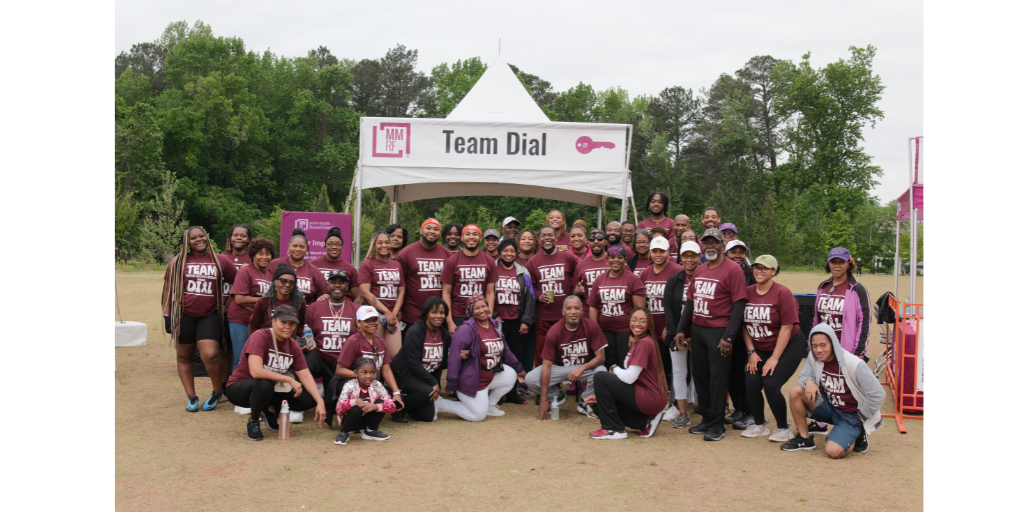
Pastor Steven Dial Sr. was diagnosed with multiple myeloma in October of 2022, and over the course of the next 10 months, he faced an incredibly challenging and courageous journey. Despite the aggressive nature of the disease, he remained steadfast in his faith and commitment to serving others. The treatments were grueling, often leaving him physically drained, yet he never allowed the illness to diminish his spirit or his desire to continue ministering to his congregation. Even on the toughest days, he pushed through the pain and fatigue, always focusing on uplifting those around him. His strength, determination, and unwavering trust in God throughout this difficult period left an indelible mark on all who witnessed his fight. Though his body weakened, his heart and hope never faltered, serving as a powerful example of perseverance, faith, and love in the face of life’s most trying circumstances.
How did you get involved with the MMRF?
Our family became involved with the Multiple Myeloma Research Foundation (MMRF) after my father, Pastor Steven Dial Sr., was diagnosed with multiple myeloma. Initially, we sought answers and support for the battle we were facing. The MMRF not only provided vital information about the disease but also became a source of hope and community. My father was passionate about raising awareness and supporting research, knowing that it could help others battling the same disease. It was important to him to contribute to a cause that was pushing forward in finding a cure.
Why did you choose to participate in the MMRF Walk/Run?
We chose to participate in the MMRF Walk/Run to honor my father’s fight and legacy. He always believed in being active and doing what he could to make a difference in his community, and this event allowed us to continue that mission. Participating also helped us feel like we were fighting alongside him and other families affected by multiple myeloma. The walk became not only an opportunity to raise funds for critical research but also to show that, even in the face of illness, we can still be a part of something bigger that brings hope and healing to others.
The Spirit of Hope is given to “individuals/groups who inspire hope and show extraordinary commitment to the MMRF.” What does being given the award mean to you?
Receiving the Spirit of Hope Award in honor of my father is a deep and profound recognition of the way he lived his life. For him, hope wasn’t just a word—it was a guiding principle. He inspired everyone around him to keep believing, keep pushing, and never lose faith in God’s plan. To me, this award is a reminder of his unwavering spirit in the face of adversity and a continuation of the legacy he left behind. It’s a testimony to how his life continues to inspire hope in others, even after his passing.
How have you found perseverance in light of obstacles? Please share any stories that have given you strength.
Perseverance has always been deeply rooted in my faith and the example my father set. Watching him face multiple myeloma with such strength, grace, and determination has given me the courage to face my own challenges. I remember, even on his hardest days, he never lost his optimism or his desire to uplift those around him. He continued to preach, lead, and care for our congregation despite the toll the disease was taking on his body. That resilience reminds me that obstacles are temporary, but the impact we leave on others is lasting. I draw strength from knowing that if he could endure his fight with such grace, then I, too, can persevere through life’s difficulties.
Do you have a favorite mantra, quote, or lyric that gives you strength?
One of the scriptures that has always given my family strength is 1 Corinthians 13:13: “And now these three remain: faith, hope, and love. But the greatest of these is love.” This verse was a cornerstone of my father’s life and ministry. It reminds me that no matter what obstacles we face, faith sustains us, hope drives us forward, and love—the greatest of all—keeps us connected to one another and to God. In times of struggle, I find strength knowing that love remains, even through loss, and it continues to inspire hope for the future.
Anything to add?
I would just add that while my father is no longer with us, his spirit lives on in the fight to find a cure for multiple myeloma. I believe that every step taken, every dollar raised, and every effort to raise awareness honors his memory and all the others affected by this disease. It’s my hope that we continue to inspire others to join the cause and that someday we’ll celebrate not just the hope for a cure—but the reality of one.
The MMRF is delighted to recognize Team Dial in memory of Pastor Steven Dial Sr. as the MMRF Spirit of Hope Honoree at the 2024 MMRF Team for Cures: Atlanta Walk/Run. Donate to Team Dial today to accelerate a cure!
This award is presented at every Walk/Run to a patient, caregiver, or family who inspires hope through their resilience, perseverance, and dedication to the MMRF and its mission.
The final day of presentations at the International Myeloma Society (IMS) meeting in Brazil provided updates on the use of various treatments for patients with relapsed and refractory multiple myeloma. Let us break down the key findings for you…
Antibody Drug Conjugate Therapy
Blenrep (belanatamab mafodotin)
Results of a large trial of Blenrep (belanatamab mafodotin), a treatment called an antibody-drug conjugate, included 302 patients who had tried at least one prior line of therapy, showed Blenrep in combination with Pomalyst and dexamethasone (B-Pd) lowered the risk of disease progression or death by 48% compared to Velcade (bortezomib), Pomalyst, and dexamethasone (VPd) (Dimopoulos M, NEJM 2024). Results from from this study were presented in two abstracts on Saturday:
- Researchers reported a positive trend favored B-Pd for overall survival (OS) – the length of time a patient survives. Longer follow-up is needed as OS had not been reached after almost 22 months of follow-up (Abstract OA-62). Eye toxicity such as blurred vision and dry eye were the most common side effects with B-Pd treatment. Patients who experienced these side effects were given a lower dose of Blenrep and the side effects tended to resolve quickly, while patients continued to respond to treatment.
- In another abstract (Abstract OA-13), no difference in health-related quality of life – information on the physical and mental health status of individuals, and on the impact of disease and treatment on a patient’s quality of life – was observed in patients who received either B-Pd or VPd. These findings further support the use of Blenrep as a treatment option for patients once available.
- Additionally, an early phase trial of 18 patients with RRMM who received one prior line of therapy showed that the addition of Blenrep when combined with Kyprolis, Revlimid, and dexamethasone (B-KRd) led to impressive response rates and the commonly seen eye-related side effects, such as blurred vision, were low-grade and reported to be manageable (Abstract OA-57). In this study, Blenrep was given once every 8 weeks instead of every 4 weeks, and more than half the patients enrolled had high-risk cytogenetics. Additional results will be presented at future meetings.
Maintenance Therapy
Revlimid (lenalidomide)
Maintenance therapy with Revlimid (lenalidomide) is the standard of care following induction therapy and stem cell transplantation; however, Revlimid maintenance therapy can have side effects when given over a long period of time. In this study of 43 patients (Abstract OA-15), researchers evaluated if maintenance therapy can be stopped if patients are in minimal residual disease (MRD)-negative remission – that means doctors are not detecting cancer cells in the bone marrow or blood and patients don’t have any signs or symptoms of myeloma – after 3 years of Revlimid maintenance therapy. Researchers reported that 84% of patients maintained MRD-negative remission after 1 year of stopping Revlimid maintenance therapy. Ongoing studies are underway to better guide the decision to stop maintenance therapy in patients with MRD-negative remission.
Small Molecules for RRMM
Mezigdomide, tazemetostat, and dexamethasone
CELMoDs are a new class of myeloma drugs that work like immunomodulators such as Revlimid and Pomalyst and are orally administered. They also stimulate the immune system and kill myeloma cells directly, even for patients whose myeloma has become resistant to certain treatment. This abstract (Abstract OA-29) evaluated the combination of mezigdomide, an oral CELMoD, tazemetostat, a small molecule that blocks a protein called EZH2 to kill myeloma cells, and dexamethasone in RRMM. Researchers hope that when mezigdomide and tazemetostat work together, they attack the cancer from different angles, making the treatment more powerful. Results from an early phase trial that included 13 patients treated with mezigdomide, tazemetostat, and dexamethasone responded to therapy. Additional results will be presented at future meetings.
Sonrotoclax and dexamethasone
Finally, results from a small trial of a new treatment for relapsed/refractory patients who have a chromosomal rearrangement called t(11;14) – sonrotoclax, similar to venetoclax, showed more than 75% of patients responded to the treatment in combination with dexamethasone. More than 20% had a complete response with two patients achieving MRD negativity, meaning no myeloma was detected even with the most sensitive tools. The most common side effects were fatigue and insomnia (28% of patients each) followed by gastrointestinal side effects (less than 20% of patients). Side effects were low-grade in more than 90% of patients, suggesting this may be a promising option for patients with this disease characteristic.
Please be sure to tune into our 2-hour webinar on Wednesday, October 9th from 10:00 AM–12:00 PM (ET) as myeloma experts recap each day’s clinical research and discuss what these findings mean for myeloma patients.
We look forward to more clinical updates in the months ahead!
The third day of presentations at the International Myeloma Society (IMS) meeting in Brazil offered a glimpse into the potential of new treatment strategies for patients with relapsed/refractory multiple myeloma (RRMM) and provided additional updates on quadruplet regiments for newly diagnosed multiple myeloma (NDMM).
Talvey-Based Combinations for Patients with Relapsed/Refractory Multiple Myeloma (RRMM)
Talvey (talquetamab), a GPRC5D-directed bispecific antibody, showed high response rates when used in different combinations, according to data from a pair of abstracts involving patients with RRMM who had received 1 or more prior lines of therapy.
An early phase trial (Abstract OA–01) that evaluated 77 patients who Talvey, Darzalex (daratumumab), Pomalyst (pomalidomide) led to high response rates. The most common side effects included loss of taste and dry mouth, as well as low white blood cell counts, and cytokine release syndrome (CRS), which presents as flu-like symptoms. This trial was notable for the fact that most patients had received an anti-CD38 antibody (94%) (Darzalex or Sarclisa) and Pomalyst (83%) prior to receiving this new triplet regimen. The findings suggest that combination Talvey, Darzalex and Pomalyst may be a potential treatment option even for those patients who had received Darzalex and/or Pomalyst and whose disease had eventually progressed.
In the next abstract (Abstract OA–03), researchers reported that Talvey combined with Tecvayli (teclistamab), a bispecific B-cell maturation antigen (BCMA)-targeted antibody, was safe and associated with high response rates in 94 patients with RRMM who received 3 or more prior lines of therapy. Infections, CRS, low white blood cell counts, and taste changes were the most common adverse effects; they were consistent with the side effects of each treatment and were manageable. Most notably, the combination treatment was very effective in treating extramedullary disease (EMD) which occurs when there are myeloma cells growing outside of the bone marrow. EMD has traditionally been difficult to treat with available therapies. Over 80 percent of patients still responded after 18 months, including patients with EMD. The combination is being studied in a larger trial to validate the results.
CAR T-cell Therapy for Patients with RRMM
Carvykti (ciltacabtagene autoleucel)
Researchers from Spain shared updates from CARTITUDE-4, the first randomized phase 3 study evaluating the efficacy and safety of Carvykti in 419 patients with RRMM that no longer responded to treatment with Revlimid (Abstract OA-65). Findings showed that treatment with Carvykti when compared to the standard of care (either Darzalex or Velcade combined with Pomalyst and dexamethasone) reduced the risk of death by 45%. These data continue to support the overall benefit-risk profile of Carvykti in patients with RRMM as early as after first relapse.
CAR T-cell therapy can be hampered by long production times that lead to significant delays in treatment. Thus, shortening CAR T-cell manufacturing time will enable patients with aggressive disease to receive treatment sooner. Several abstracts offered updates on recent advances in CAR T-cell therapy for RRMM.
Investigational CAR T-cell Therapy
Results from two new BCMA-directed (the same target as Abecma and Carvykti were presented:
- An early phase trial evaluated durcabtagene autoleucelthat uses a new development process that shortens the manufacturing time from several weeks to less than two days (Abstract OA-12). Early findings from 145 patients with RRMM treated with durcabtagene autoleucel showed impressive response rates and side effects such as CRS, low white blood cell, low red blood cell, and low platelet counts and were consistent with other BCMA-directed CAR-Ts The rate of neurologic side effects were lower than what has been reported in other trials which is encouraging
- Anitocabtagene autoleucel (formerly CART-ddBCMA) is a new CAR T-cell therapy with a unique protein, called a D-Domain, that is designed to bind more firmly to BCMA and reduce the risk of side effects such as CRS. Investigators reported that all 38 patients with RRMM treated with anitocabtagene autoleucel responded to therapy – and a majority of patients had high risk disease. CRS and neurologic side effects were low grade and well managed.(Abstract OA-30). Continuing studies will examine this novel CAR T-cell therapy for RRMM.
P-BCMA- ALLO1, an off-the-shelf (meaning there is no waiting for the T-cells to be engineered and reinfused), BCMA-directed CAR T-cell therapy for RRMM was shown to have manageable side effects predominantly low white blood cell counts; CRS and neurologic side effects were lower grade than have been observed with the available CAR T-cell products in an early phase trial of 34 patients (Abstract OA-04). At the highest dose, 91% of patients responded. Ongoing studies will compare the response rates of this potential off-the-shelf CAR T-cell therapy for RRMM.
CAR T-cell therapies with mechanisms of action are also needed for patients who relapse following BCMA-directed therapy. An early phase clinical trial of 31 patients treated with BMS-986393, a GPRC5D CAR T-cell therapy, led to impressive response rates (96%) and side effects typical of GPRC5D-directed therapy (Abstract OA–08). Longer follow-up is needed as the median progression-free survival (PFS) – the time before the disease returned – had not been reached after almost 14 months of follow-up.
Antibody-Drug Conjugate
HDP-101, a new BCMA-directed antibody-drug conjugate (ADC) that has a different mechanism of action than Blenrep. Researchers reported that HDP-101 demonstrated encouraging safety and effectiveness in a small, early phase clinical trial of 18 patients with RRMM (Abstract OA–60). Future trials will evaluate the potential of this novel ADC for RRMM.
Maintenance Therapy
Darzalex (daratumumab)/Revlimid (lenalidomide)
In the final abstract (Abstract OA-45), Dr Ashraf Badros from the University of Maryland and colleagues reported that minimal residual disease (MRD)-negativity rate more than doubled by 12 months when Darazlex was combined with Revlimid (D-R) in maintenance therapy compared to Revlimid alone, resulting in improvement in 30-month progression-free survival in patients with newly diagnosed multiple myeloma (NDMM) following stem cell transplant. Low white blood cell counts and infections were the most common side effects observed in this phase 3 trial of 200 patients with NDMM.
The researchers conclude that these results further support adding Darzalex to Revlimid maintenance therapy for patients with NDMM following stem cell transplant.
Be sure to come back tomorrow for our final day of updates in the treatment of myeloma at IMS 2024.