
Patient Stories
Multiple myeloma has many faces. These inspiring documentaries tell stories of resilience and strength as each patient navigates through their own myeloma journey.
We Are All In This Together
It's important to remember you are not alone. Watch and listen to a few stories from the 170,000 multiple myeloma patients in the U.S. as they navigate through their myeloma journey.
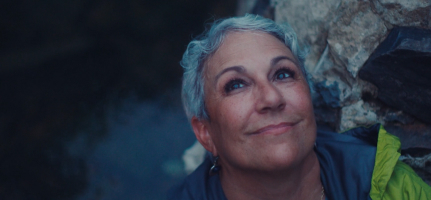
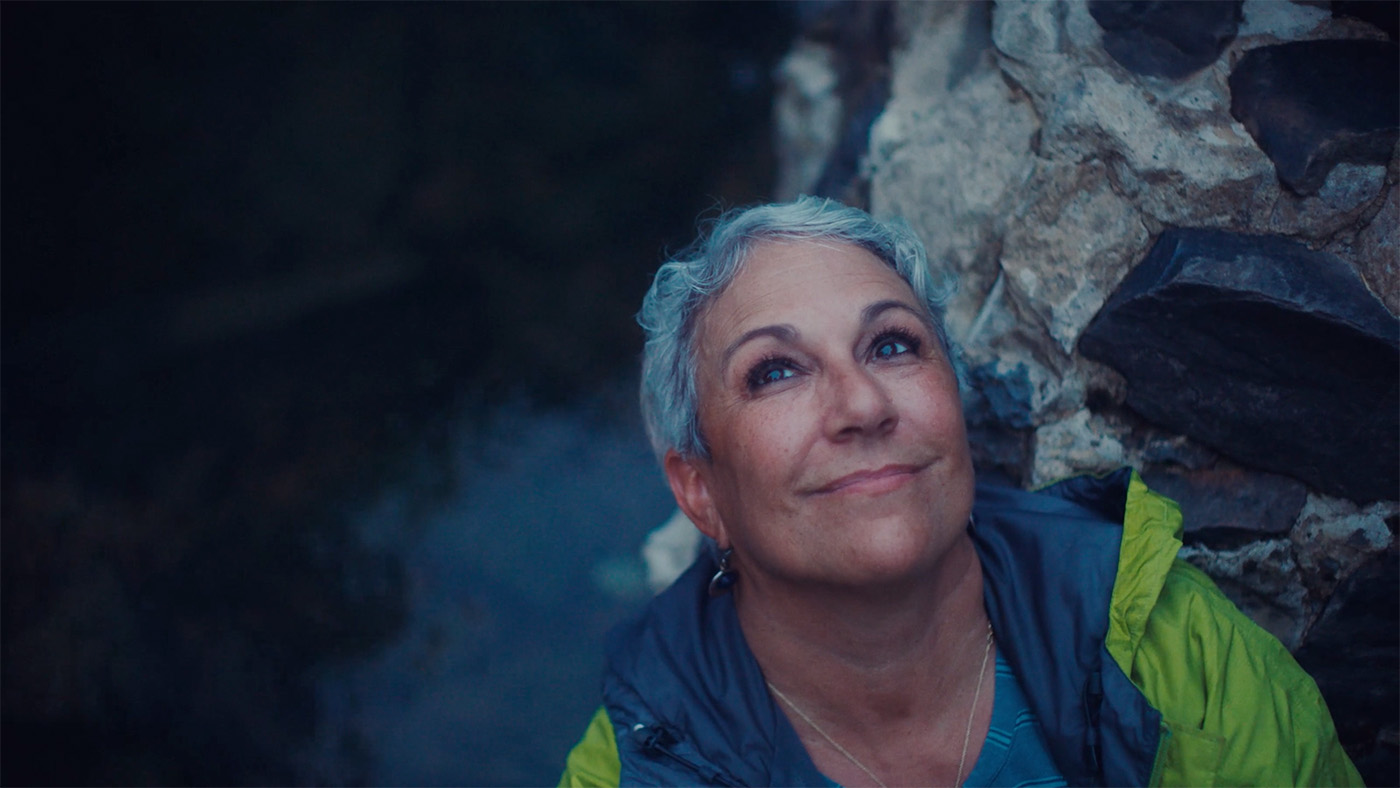
Martha
Martha is many things: a wife, mother, grandmother, photographer, and community service volunteer. She has continued to thrive and enjoy time with family all these years given the availability of new treatments supported by the MMRF's work.
There’s hope in the treatments."
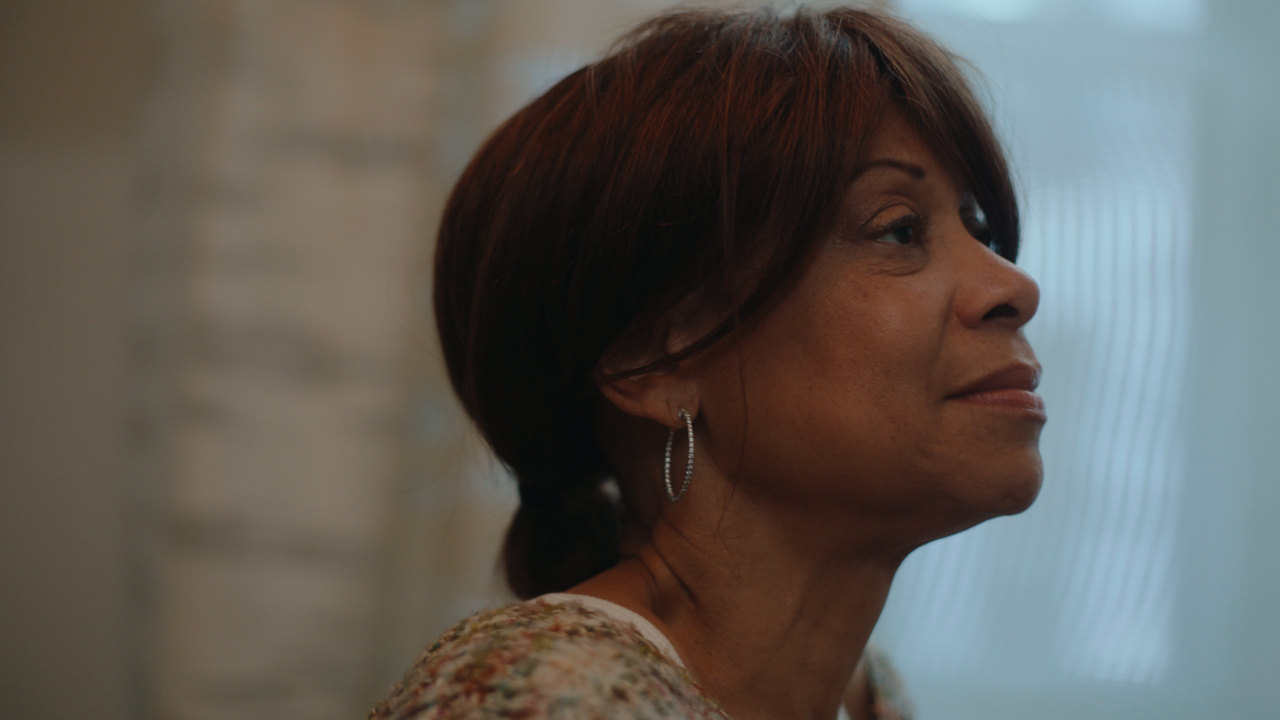
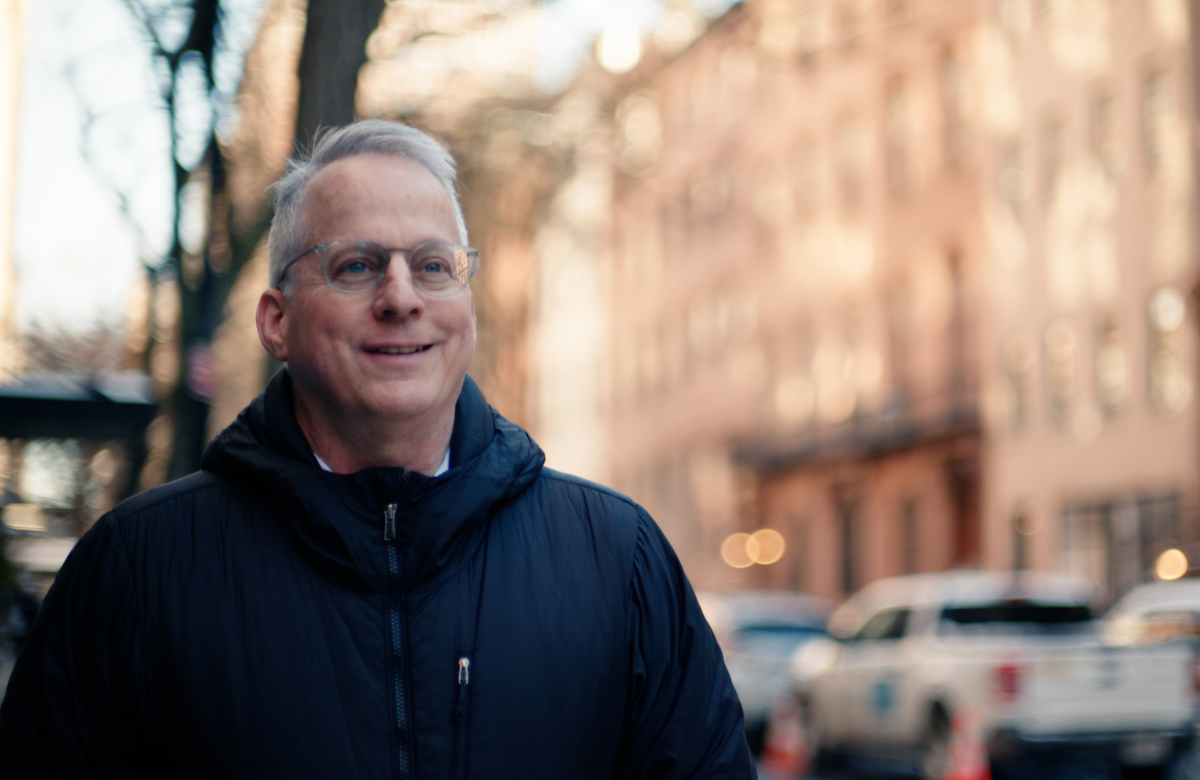
Gail
Gail is an attorney from Brooklyn who loves vintage clothes. As a refractory patient, her journey with myeloma has been particularly challenging. With the MMRF's support, Gail enrolled in a clinical trial testing a novel bispecific antibody.
Never, never give up…words I live by."
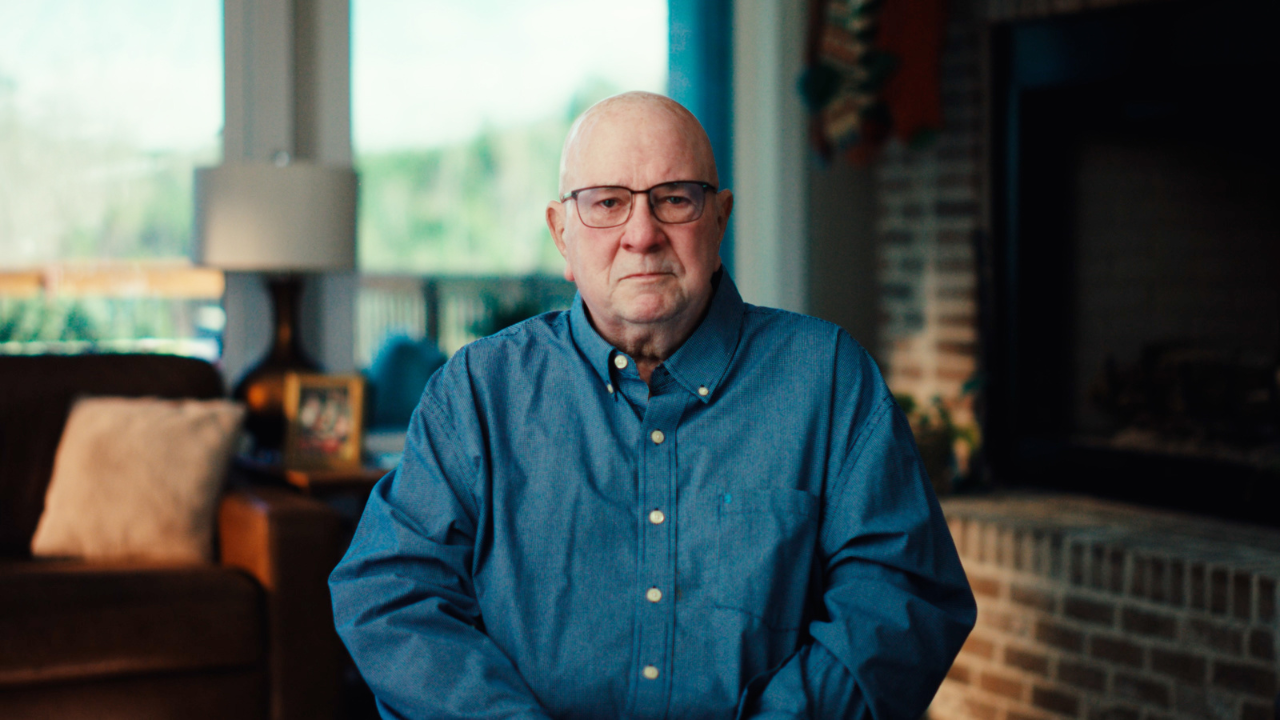
Jonathan
Jonathan was a new dad to a 7-month old daughter when he was diagnosed. After hearing his prognosis was as little as 18 months, he had one wish: see his daughter graduate high school.
Living with myeloma is almost like sleeping next to a hibernating bear."
Randy
Randy was diagnosed in July 2017, but cancer was already a part of his story. Sadly, Randy lost his daughter to breast cancer—a fighter like him, whose strength continues to guide his own journey.
The prognosis was 36 months. I said I don't think so."
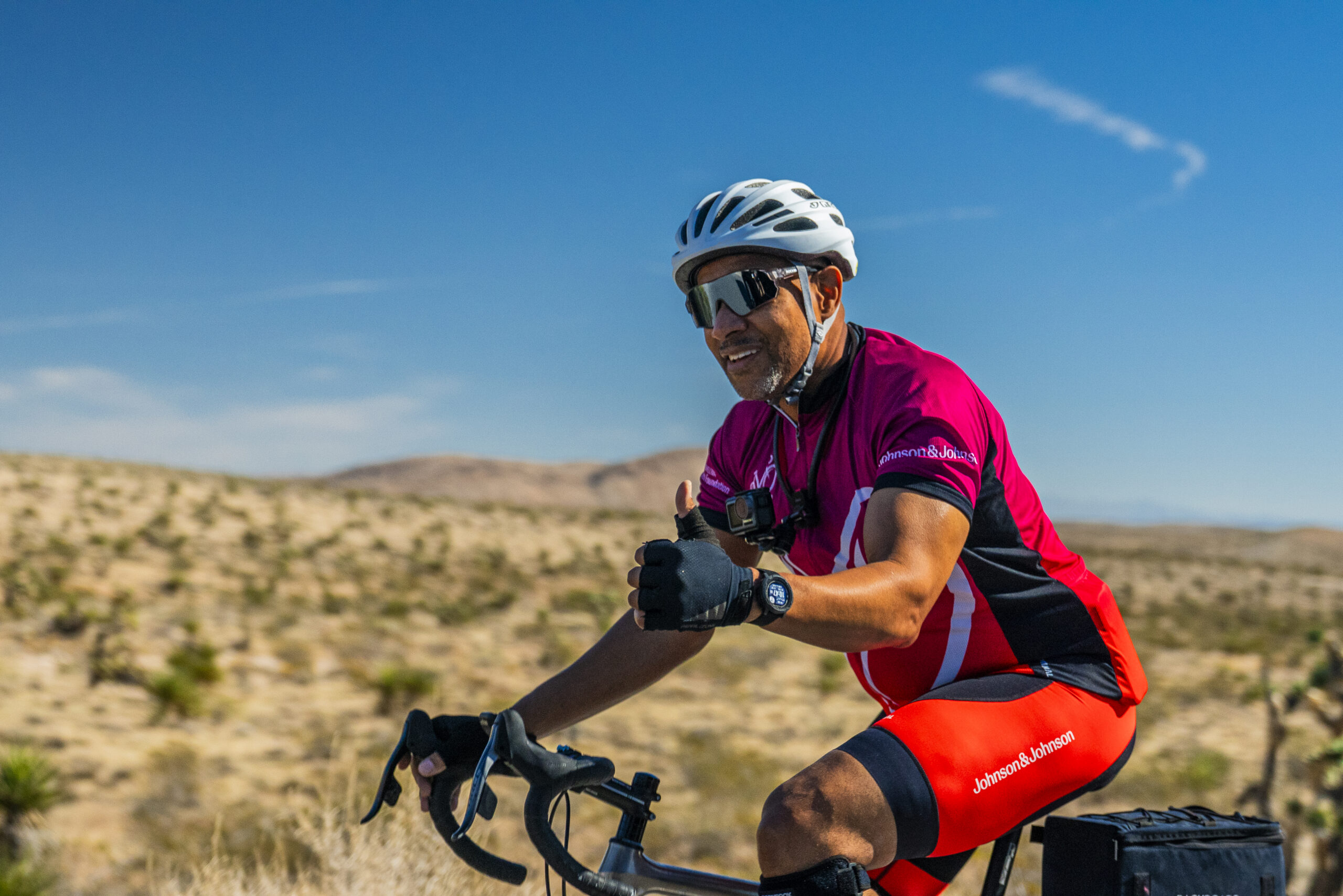
Mike
Mike did everything right. He was an avid cyclist. He ate well. He took care of himself. He built a full life with his wife and children. But everything changed when routine bloodwork came back as abnormal.
The treatments I receive today exist because of research."
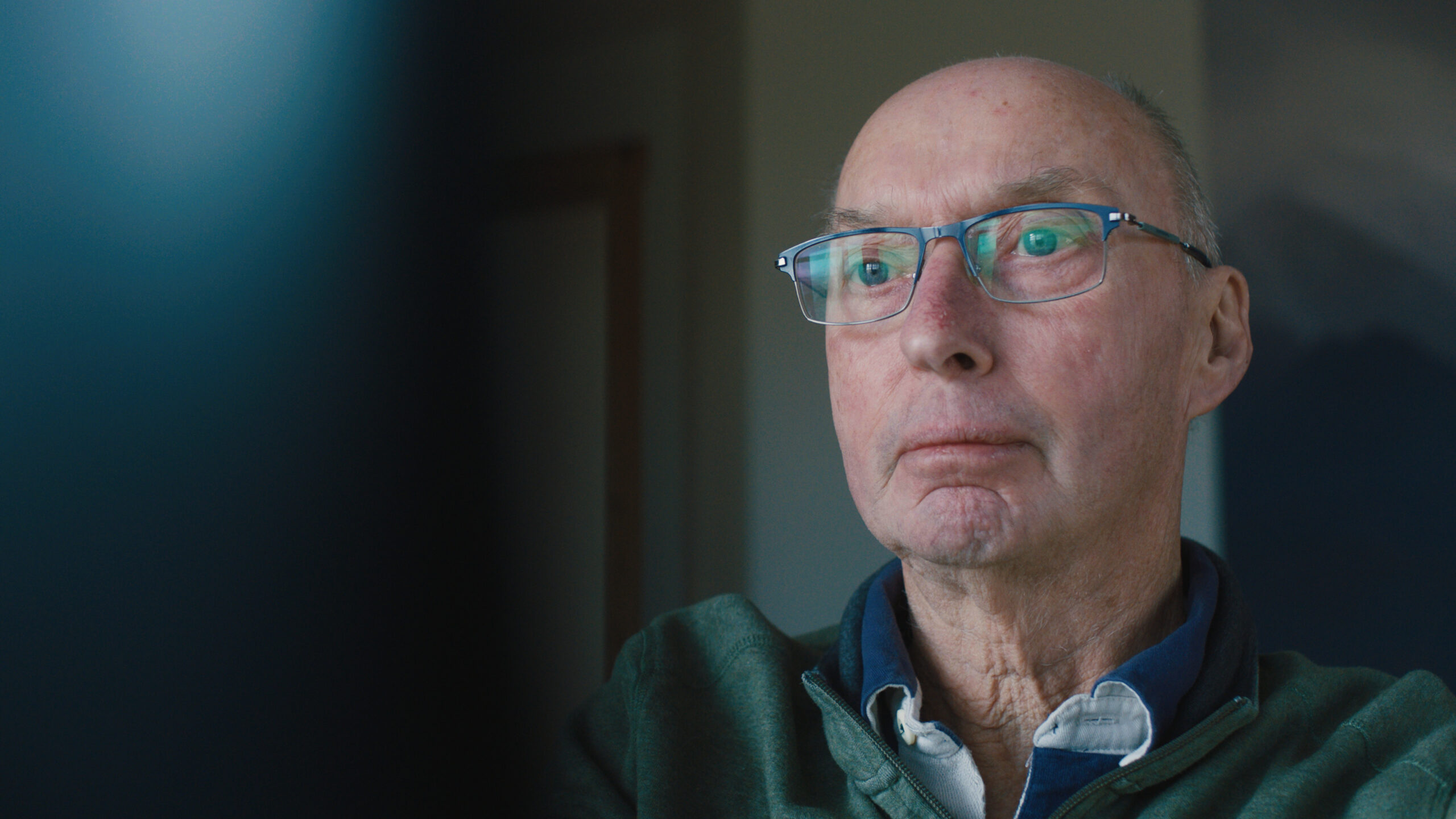
Geoff
Geoff has always been deeply connected to the natural world—long hikes and running, every day. Once diagnosed with multiple myeloma, Geoff found solace in reading about how other patients coped with their disease. Reading stories about how other patients coped gave him strength.
I can do this. I can get through this."
I've always been interested in photography, capturing the beauty of the world for people who can't be there and leaving a legacy for my grandkids that maybe one day in the future they'll be able to say, wow, my grandmother stood right here.
There is something magical healing about that. The day was March 23rd, of 2010; days that you always remember. I was helping Habitat for Humanity, finding houses that they were rehabbing to put families in, and I couldn't get the key to work. I told the head of Habitat, you know, step aside, I'm gonna hip check this door and we'll get in.
And I put my hip into that door, popped it open, and I thought, man, that hurt a whole lot more than I thought it would. Come to find out, that's exactly where there was a lesion growing from the Multiple Myeloma.
That's when we first heard the cancer diagnosis and, you know, it just, it just takes your breath away. I was 49 years old and, you know, just about to hit that half century mark.
And I told her, I said, "Martha, I don't know how long we have, if it's a year or if it's five years, that period of time's gonna be the best of our lives."
And that's the commitment that we're making.
I've now had multiple myeloma for 12 years.
Since those early days, I've now had three daughters get married, 10 grandkids.
They come over and we play, we have dinners together. It is thanks to all the treatments that Multiple Myeloma Research Foundation has come up with. We can live our life because there's a group like the MMRF that is laser focused on patient care and helping people to deal with and work through and survive this cancer.
I think my hope for the future is that my kids get to take every advantage of the time that we have because you're not promised tomorrow and we're 12 years out, and with every fiber of my being, I hope that there's 12 plus more.
You never forget that you have cancer, but I try to not give cancer more time than absolutely necessary. My grandkids, there's one that's only 10 months old right now. They may remember me, they may not, hopefully through my photography, showing them what life looked like from my viewpoint, they'll see how much I love them, how much, I wanted to be here and be part of their life.
There's a lot of hope for the future. There's a lot of hope in the treatments that they're coming out with, and I truly hope and plan to be here.
When I'm wearing the right outfit, it can make me feel powerful. If you're having a crappy day and then you put on a beautiful vintage dress, if it fits very well, you look in the mirror, you go, okay, I got this.
And you keep it moving. I'm Gail Goode from Brooklyn by way of the Bronx. I've been an attorney for over 30 years, and I'm 65 years old. I was diagnosed with multiple myeloma in October of 2019.
I was rather surprised by this because I felt fine. I had no symptoms. I was working out all the time. It took me a while to kind of digest it all.
I had a friend who died of breast cancer and I was there when she took her last breath. And I remember all the pain she went through, you know, just shriveling down to nothing.
And that's something I didn't wanna go through.
They tell me I have refractory multiple myeloma, which means it's difficult to treat, it's stubborn. I had a stem cell transplant in the summer of 2020.
It barely lasted a year for me. This is my fourth hospitalization this year. I'm done, I'm done for this year. If it doesn't work now, well, we'll have to see what happens.
The drug that I was taking this spring stopped working. So I called the Multiple Myeloma Research Foundation and they pointed me to this latest study. It's bispecific and it's going to use my own immune system to fight the cancer.
Not everyone has this opportunity. I will say that I am tired of the treatments, but I'm a badass attorney. I don't throw in the towel. I have in my office [a quote from] Winston Churchill: "Never, never give up." Those are words I live by. Take a shot. What's the worst that can happen?
Since I've been diagnosed with cancer, my goal is to live in beauty and not in cancer. So I will dress up, put makeup on, wear fabulous shoes, and go out and hang out with my friends.
I'm still going to bars and drink great cocktails. I mean, that's, that is who I am. I'm not giving that up. I'm still a trial attorney. All those things, the essence of Gail Goode. It's not changing because of cancer.
Living with myeloma is almost like sleeping next to a hibernating bear. You might feel safe for a certain period of time while the bear is asleep, but you also know the bear is going to wake up, and when he does, he's going to be hungry. That's sort of the feeling I've had for many years of wondering when the next recurrence is going to happen.
So, in 2003, I had a nagging hip problem. I had slipped on the ice the year before and it just never cleared up. So I went to my doctor and he came in and said, "I need to tell you, you have a lesion on your hip." I was 38 years old, brand new baby daughter, 7 months old. Like a lightning bolt out of the blue, I had cancer. I worked up the nerve to ask my doctor what my prognosis was. And he said it could be as little as 18 months that I had to live. So my first thought was, I just need to see my daughter graduate from high school. That was my first wish. Over the course of the last now 22 years and counting, I've had five, six, seven, eight lines of therapy. As it's happened, I've miraculously been diagnosed at a time when pretty much every time I've needed a new treatment, a new treatment has become available. I support the MMRF because the stakes are so high. They couldn't possibly be higher and frankly because I wouldn't be here without them. That sort of research is what has kept me alive. I'm here because of science. They help drive the science and I owe them a tremendous debt of gratitude.
My daughter Courtney was always laughing and going on with people and very nice person, very smart individual. Courtney had breast cancer, and while trying to raise three children, she took chemo and beat the breast cancer, and then it metastasized and went to her brain and she wasn't able to overcome that. She was a fighter like me, and I kind of patterned my fight after her the way she fought it. I was diagnosed on July the 17th, 2017. I heard I had multiple myeloma, and I had no earthly idea what the disease was or what it consisted of or anything. The diagnosis was 36 months, and I said 'I don't think so, I'm going to do better than that. I'm not going to give up.'
I went to Atlanta and met a very amazing doctor named Dr. Ajay Nooka.
It was a very interesting conversation. This is a man that looked like a football player and basically comes in and puts a trust in me and says, 'Doc, I'm going to do what you tell me to do.' When somebody puts responsibility on you, I want every single thing to be right for this man, who is putting trust in me.
I had the stem cell as an initial treatment, and after 18 months, it relapsed. That's the term they use when it quits working, and you got to find something else, and you don't have a long time to do it or you're gone. When I'm sitting there in the waiting room, you wonder what in the world am I going to hear today. Sometimes you go in you have a protein spike and that would mean that your myeloma was active, and the next time you go back, it'll be down. You're on a roller coaster. After the last chemo failed and I was at the bottom, I was scared. I didn't know where to go other than back to Dr. Nooka, who I thought more than likely was going to come up with another avenue to try. He never had said that's it, and he never will say that's it.
A CAR T is a very effective myeloma therapy. However, it has to be done in a specialized institution that has given CAR T multiple times and have a familiarity with how to do this in the safest way.
You had to stay close to the facility that performed the process because the side effects that you could or could not have no other hospital has the expertise or the know-how to treat that to keep you from dying with it. So they keep you in this isolated area, and it's almost like being in prison.
The bone marrow is clean. I do not see any evidence of any plasma cells. That's about a miracle. That's awesome. The second one is we looked at the blood, the blood work is completely clean showing that you're in a complete remission. A lot of cancer patients never hear the word remission. They hear, 'Well, we're going to do this. We're going to climb this hill.' When I heard that word, it was such a relief after 7 years to know that I had reached a point where I could take a deep breath. It was wonderful, very wonderful. I hope the MMRF continues their research for people who are on the edge, which I consider myself being that way because the disease is not curable at this point.
MMRF is a great organization that provides funding for the research and the work that will help to advance science and deliver the discoveries that are helpful for the patients now. I know you're my physician. I know you're my friend, but this represents you being my guiding light through this with myeloma that I've done, and I hope it reminds you of that every time you turn it on. Randy is a great friend. It is a good feeling when you see somebody that comes by to your clinic and makes you smile and that is Randy. I guess some people come to the end, but I just I just can't see the end. I just keep thinking something's going to get better. So far, it has. So that's what I tell people who that I talked to that have myeloma. 'Don't give up. Don't do it.'
My doctor had told me that he was about 95% sure. And up to that point, I had done everything that I knew to do. I was active. I was eating right. I was getting plenty of rest. It still happened. He told me that I had multiple myeloma. There has definitely been progress. Multiple myeloma is more treatable today than it has ever been. But still, there's no cure. In fact, a lot of people relapse and can't simply rely on treatments. And for patients like me, that urgency is real. The treatments I receive today exist because of research. That's the reason I'm still here living and enjoying life and why I'm still able to ride and show up for the people I truly care about. That's why I support the MMRF because they are driving research that turns into real treatments for patients like me and getting us closer to a cure. If you give today, you are directly fueling the research that is saving lives and moving us toward a cure. Please support the MMRF.
I've always loved being outside. I do extremely long hikes, run or walk every day. And so I've always been incredibly fit, but for quite some months, things just weren't right.
It was a slow progression, you know, and it goes through your mind. Is this age, is this retirement? Never really thinking that it could be something so serious, right? I mean, do we ever think that? He was going off and getting these tests and then had us sit down and said he had been diagnosed.
I had a blood cancer disease that was called Multiple Myeloma. We thought, but we live such a healthy life. And so I was on my phone with Karen and our son Matthew, and I, I sort of had this strong, strong feeling and I thought, I can do this.
I can get through this. Quite literally the next morning, you know, I'd gone into the Multiple Myeloma Research Foundation website. There is one section that is myeloma mentorship. Reading the story of a another patient who had gone through multiple myeloma was the most powerful information that I had in these early stages.
I wanted to know what and how it was likely to unfold for me. Well, this is a journal I've been putting together right the way from the beginning of when I got first diagnosed. And I find that as I'm reflecting on the path that I want to add, because it's something that I wanna be a complete statement of what I went through.
It was less than 18 months ago that I got diagnosed. We have gone on vacations. I've traveled internationally, getting my fitness back.
I am putting back together and largely have the life that I had before. The whole beginning of our relationship was based on activity, hiking and running. And that has had to shift rather than going on a day long hike together, it's gonna be split up, you know, maybe start together or end together. With each, you know, appointment or test. You know, there is that moment of holding her breath and hoping.
What I would hope is that if my situation did deteriorate, that I would be able to have a similarly positive response. I'm hoping that that strength would still be present. I would be very disappointed in myself if I let it define me.
Martha
Martha is many things: a wife, mother, grandmother, photographer, and community service volunteer. She has continued to thrive and enjoy time with family all these years given the availability of new treatments supported by the MMRF's work.
There’s hope in the treatments."
Gail
Gail is an attorney from Brooklyn who loves vintage clothes. As a refractory patient, her journey with myeloma has been particularly challenging. With the MMRF's support, Gail enrolled in a clinical trial testing a novel bispecific antibody.
Never, never give up…words I live by."
Jonathan
Jonathan was a new dad to a 7-month old daughter when he was diagnosed. After hearing his prognosis was as little as 18 months, he had one wish: see his daughter graduate high school.
Living with myeloma is almost like sleeping next to a hibernating bear."
Randy
Randy was diagnosed in July 2017, but cancer was already a part of his story. Sadly, Randy lost his daughter to breast cancer—a fighter like him, whose strength continues to guide his own journey.
The prognosis was 36 months. I said I don't think so."
Mike
Mike did everything right. He was an avid cyclist. He ate well. He took care of himself. He built a full life with his wife and children. But everything changed when routine bloodwork came back as abnormal.
The treatments I receive today exist because of research."
Geoff
Geoff has always been deeply connected to the natural world—long hikes and running, every day. Once diagnosed with multiple myeloma, Geoff found solace in reading about how other patients coped with their disease. Reading stories about how other patients coped gave him strength.
I can do this. I can get through this."
Connect With a Myeloma Mentor
The Myeloma Mentors program gives patients and caregivers the opportunity to connect directly with trained mentors. Mentors share their personal experiences to help guide, inform, empower, and support other patients and caregivers within the multiple myeloma community. This is a phone-based program that brings patients and caregivers together in one-on-one conversations with trained patient and caregiver mentors to share their personal patient journeys and experiences.