For more than a decade, the Multiple Myeloma Research Foundation® (MMRF®) has built and maintained the largest and most comprehensive multiple myeloma dataset in the world. Importantly, the organization has shared this data with the field and invested in new studies and data types to keep it relevant.
Throughout the year, the MMRF hosts meetings and workshops to discuss the potential clinical impact of these data. The world’s leading researchers, clinicians, companies, and data scientists come together to discuss challenges, examine how emerging technologies can generate new insights, and find ways to put the MMRF’s data to work on questions that matter most to patients.
One of those meetings is the MMRF’s highly anticipated Immunity Workshop, which convenes the research community to discuss the role of the immune system in myeloma. The MMRF recently hosted an Immunity Workshop focused on one of the biggest questions in the field right now: How do we harness new AI tools and data analytics, along with everything we’re learning about the immune system, to improve patient outcomes?
Over a full day of presentations and panels, MMRF leaders, researchers and clinicians, and industry representatives from companies like Johnson & Johnson, Tempus AI, and One Biosciences shared how they’re using MMRF data and cutting-edge tools to improve our understanding of myeloma and the immune system, identify new biomarkers, refine risk stratification, and, ultimately, cure every patient.
Below, read the biggest takeaways from the day.
1. MMRF data and collaboration made the day’s biggest ideas possible
The clearest throughline of the entire workshop was that no single institution, company, AI agent, or dataset can solve myeloma alone. Speakers repeatedly emphasized the need for the kinds of large-scale shared data sets and field-wide collaborative efforts that are hallmarks of the MMRF’s model.
Throughout the workshop, presenters referenced the MMRF’s groundbreaking CoMMpass℠ Study and Immune Atlas as foundational datasets that the entire field is building on.
“We are using Immune Atlas data as a foundation to build on to understand the biology of myeloma and identify new biomarkers,” shared Manoj Bhasin, PhD, MS of Emory University School of Medicine, a co-principal investigator on the MMRF’s Immune Atlas project.
The MMRF team shared the evolution of its data initiatives culminating in the recently launched MMRF Virtual Lab®, along with updates from the Horizon Clinical Trials Program and Translational Research Umbrella Program that are designed to generate new data for the field. Looking ahead, MMRF leaders shared plans to introduce new data challenges that would invite researchers to leverage Virtual Lab and MMRF data to answer some of the questions raised throughout the day.
As MMRF leadership noted throughout the day, progress doesn’t happen in isolation. By bringing together partners who are all working on a shared goal, building on MMRF’s foundational data and tools, and integrating data sets from across the field, we’ll accelerate a cure for every patient faster.
2. The importance of the immune system in myeloma cannot be overstated
Another recurring theme was that long-term remission not only depends on killing cancer cells, but on whether a patient’s immune system can keep the disease under control over time.
Researchers presented evidence that immune dysfunction—particularly among an important type of white blood cell called T cells—may encourage relapse and that the immune environment surrounding myeloma cells may play an important role in disease progression.
Sessions such as these highlighted the need for further research on immune health and ways to strengthen a patient’s defenses. In other sessions, researchers called for new biomarkers to capture the strength of a patient’s immune system and track how they respond to treatment in the clinic and in clinical trials.
3. Cutting-edge technologies are mapping the immune microenvironment
Researchers have long studied myeloma cells in isolation, but increasingly, they’re looking at the surrounding immune cells, stromal cells, and bone marrow, which are collectively known as the tumor or immune microenvironment.
Using advanced single-cell sequencing and spatial mapping technologies, researchers are now able to see, cell by cell, how myeloma and immune cells interact and influence each other, revealing subtle changes and patterns that were once invisible. Speakers were candid that no single technology has all the answers. What’s needed instead is a combination of tools and high-quality data to generate more insights.
4. AI is identifying new biomarkers
Several speakers described using AI models trained on large datasets to predict which patients are likely to respond to a given therapy and estimate a patient’s “immune age” as a measure of immune fitness.
Workshop attendees expressed measured optimism about AI, with several noting that buzz-worthy AI models haven’t been validated widely enough to impact care. This is especially important for a disease as heterogeneous and complex as myeloma. Attendees nevertheless shared that AI is a powerful tool that will work best alongside human oversight and rigorous science.
5. “AI co-scientists” are helping researchers generate hypotheses and drug targets
Another talk from a researcher at Mass General explored “agentic AI,” or AI systems that can independently search scientific literature, spot gaps in current knowledge, generate new hypotheses, and even design experiments to test them. These tools are already helping automate literature reviews and surface research questions that might otherwise take months to surface, freeing researchers’ time for other tasks.
Relying too heavily on AI to guide scientific direction, however, can narrow the range of ideas researchers pursue. These tools work best with a scientist firmly at the helm, deliberately pushing for novel ideas.
Beyond prediction, some teams are putting AI to work on drug discovery. A researcher at Emory University described a group of AI agents that can propose entirely new combinations of treatment targets. It has already identified a promising new pairing alongside BCMA (a well-established myeloma target) that is now headed to laboratory testing to see if it holds up.
6. AI is turning messy medical records and scientific literature into usable knowledge
A team from Mount Sinai shared two AI systems tackling a critical problem: Most of what we know about patients is buried in messy, unstructured clinical notes, and most of what we know from published research takes months or years to reach the databases doctors use.
One system, built on large-language models, reads through electronic health records and structures the information into research-ready data in just a few hours. A companion system continuously scans scientific literature. It found that today’s most widely used precision-oncology databases are missing recently discovered mutations that have been linked to resistance against newer myeloma therapies. Identifying such knowledge gaps could directly inform a patient’s treatment.
7. AI-guided pathology tools are speeding up clinical trial enrollment
A researcher from Johnson & Johnson described an AI tool the company developed to support one of its clinical trials for a bladder cancer therapy. The tool scans routine pathology images to help predict whether a patient likely carries a mutation required for trial eligibility before formal genetic testing comes back. It is not meant to replace such testing but to help patients and their doctors make a faster decision about whether to pursue the trial.
The researcher noted that building the model was not the biggest challenge. It was integrating the tool into real clinical workflows and earning physician trust in its results.
The approach was developed for bladder cancer, but several attendees raised the possibility of adapting it for myeloma.
8. AI’s real-world performance still often trails the hype
Throughout the meeting, several speakers offered sobering, real-world counterpoints to the AI hype in cancer research. One widely used pathology-image model, for example, had only modest impact in the clinic—a reminder that AI tools trained on narrow data don’t always hold up in the messier real world. Another AI system built to flag disease progression and match patients to clinical trials performed about the same as oncologists doing this on their own.
These weren’t presented as failures so much as honest examples of the fact that while AI is a genuine accelerant in research, it isn’t magic. Just as with any new myeloma treatment or test, the field needs to rigorously test AI tools and find out where they add value.
9. The new definition of cure is top of mind
Just a few months ago, the International Myeloma Society hosted a historic meeting to agree on a new definition of a cure for myeloma. At the MMRF’s Immunity Workshop, a panel of leading myeloma physicians discussed the new definition and what the field is focusing on going forward.
Panelists described treating several patients who had had deep, treatment-free remissions for a decade or more and may be functionally cured. While it’s clear that the immune system plays an important role in keeping cancer under control for such patients, panelists highlighted that we still don’t fully understand the interplay between the immune system and myeloma. Data, such as the MMRF’s Immune Atlas, are key to unlocking the immune system’s complexity and understanding how patients achieve functional cures.
Data will also help physicians better stratify patients who have a small number of abnormal cells to predict which patients will progress to myeloma and need treatment and which will be able to safely live in an MGUS-like state indefinitely and without treatment.
Now that the field has defined what a cure looks like for myeloma, researchers aim to gain a greater understanding of why some patients relapse after long remissions, how patients’ immune systems can be strengthened, and how more patients can achieve cures.
The Multiple Myeloma Research Foundation looks back on 15 years of the CoMMpass Study’s impact.
When the Multiple Myeloma Research Foundation (MMRF) launched the CoMMpassSM Study in 2011, it set out to do something unprecedented for a cancer as uncommon as multiple myeloma. CoMMpass would enroll more than 1,000 newly diagnosed patients over four years, sequence their myeloma genomes, track their outcomes for eight or more years, and share its data with the rest of the field.
“The MMRF CoMMpass Study is the single most important thing going on in the myeloma world,” said David Siegel, MD, PhD of Hackensack University Medical Center early on.
Fifteen years later, the MMRF’s audacious bet has become one of the most complete molecular portraits of any cancer, and CoMMpass is now widely considered to be the most valuable dataset in myeloma. To date, more than 3,000 researchers have accessed CoMMpass data and used it in more than 700 publications.
Here, the MMRF looks back on CoMMpass’ impact in myeloma over the last 15 years, along with what’s to come.
A study rooted in collaboration and access
From the start, CoMMpass was designed to be different from almost every other study in myeloma. It paired a longitudinal structure—where the same patients were followed over years—with robust data collection that hadn’t been seen in myeloma at this scale.
The 1,143 newly diagnosed patients who enrolled in CoMMpass were followed for at least eight years and consented to bone marrow and blood sampling across several moments in their myeloma journey: at baseline, remission, and relapse. In 2023, follow-up was completed for the final cohort of enrolled patients.
To achieve this massive undertaking and the genomic sequencing of all available samples, the MMRF brought together academic, industry, and other partners that are sometimes seen as competitors. Ultimately, this provided a blueprint for large-scale collaborative cancer research. In total, 76 medical centers across North America and Europe enrolled patients into the CoMMpass study.
The MMRF made two additional innovative decisions: The data would be shared publicly, and it would be shared at regular intervals before study completion. Most studies only share data at the end, and the data is often held only by the team that did the work.
These decisions, along with the scale and structure of CoMMpass, led to a steady stream of published discoveries that have transformed myeloma from a poorly understood disease into one of the most deeply characterized cancers.
New insights into myeloma risk
CoMMpass data helped reshape the field’s understanding of risk by revealing that it is not defined by a single marker, but by combinations of genetic features and how they interact. Thanks to CoMMpass, we now know that some features once considered high-risk on their own are only significant in the presence of other features. At the same time, some high-risk patients are missed by standard risk assessments, highlighting the need for more precise risk modeling.
For example, CoMMpass data identified an ultra-high-risk form of myeloma known as “double‑hit” myeloma that occurs in about six percent of patients. These patients have a specific combination of genetic alterations, including a complete loss of both copies of the TP53 gene and other chromosomal changes, that together, cause a particularly aggressive form of myeloma. While some of these alterations can be detected individually, the combinations that make them ultra-high risk are not fully captured by traditional risk assessments.
In 2024, the MMRF and its collaborators published a landmark analysis of the full CoMMpass cohort in Nature Genetics. Drawing on data from all 1,143 patients in the study, researchers offered the most complete picture yet of how myeloma progresses from a treatable condition to a high-risk state—and, for the first time, proved that the rate at which patients transition to a high-risk subtype could be measured. It proved what CoMMpass data had suggested for years: that a patient’s risk level isn’t fixed at diagnosis but can and does change as the disease progresses.
CoMMpass data has also been used to demonstrate that, for patients who can access them, next-generation sequencing methods can more precisely predict risk than standard methods.
These findings and others from the CoMMpass dataset helped lay the groundwork for the new consensus definition of high-risk myeloma that was recommended by the influential International Myeloma Society (IMS) and the International Myeloma Working Group (IMWG) in 2025.
Advancing new treatments for myeloma
Identifying new myeloma subtypes and high-risk features only matters if those insights change how patients are treated. From the beginning, CoMMpass was built to harness genomic discoveries and turn them into new therapies and improvements in care.
For example, CoMMpass data was used to confirm findings showing that autologous stem cell transplant was superior to traditional treatment approaches like chemotherapy, helping make it the standard of care.
The MMRF’s clinical research subsidiary, the Multiple Myeloma Research Consortium® (MMRC®), launched the first genomically-guided platform trial for myeloma, MyDRUG, based on discoveries in the CoMMpass dataset. MyDRUG aimed to match patients to targeted therapies that were approved for other cancers based on specific features of their disease. The MMRC then built upon learning from the MyDRUG trial to launch the groundbreaking Horizon platform trials in 2024.
CoMMpass’ scale has also been an asset for clinicians treating individual patients and especially those with rare genetic features. Some have been able to identify patients with similar characteristics in CoMMpass and tailor treatment based on the data.
Revealing myeloma’s complexity
Very early MMRF research suggested that myeloma was highly heterogeneous, but the field lacked data that showed when and how the disease evolved during a patient’s treatment journey. Over the years, researchers have leveraged CoMMpass data and advanced sequencing technology to not only demonstrate that myeloma is highly heterogeneous, but to identify 12 distinct genomic subtypes of the disease that could be further studied.
“By repeatedly sampling patients across their myeloma journey, CoMMpass gathered vast amounts of data about how myeloma evolves, what new mutations emerge over time, and how patients develop drug resistance,” said George Mulligan, PhD, MMRF chief scientific officer. “This helped evolve the field’s understanding of myeloma from a static disease to an evolving one.”
One of CoMMpass’ distinguishing features was its commitment to enrolling a patient population that closely mirrors the real-world myeloma community. Because of that, researchers can be more confident that the insights from CoMMpass apply to the broader myeloma population, unlike findings from other similar studies, which tend to enroll more homogeneous groups of patients. This representative dataset helped uncover important biological differences across racial groups and showed that, when patients receive the same treatments, survival outcomes are comparable across races—highlighting the critical importance of equitable access to high-quality care.
Mapping patients’ immune systems
In 2019, the MMRF launched its Immune Atlas project to define the immune microenvironment and its role in myeloma. From 2020–2023, the MMRF and its collaborators at five leading academic medical centers used bone marrow and blood samples from CoMMpass to conduct sophisticated immune profiling at the time of a patient’s diagnosis and during their disease journey (after stem cell transplant or at treatment response or relapse).
Earlier this year, the MMRF and its partners published two important studies from its Immune Atlas data. These papers offered important new insights into the immune system’s role in myeloma—and once again demonstrated the value of the MMRF’s collaborative model and datasets like CoMMpass. Over the coming years, Immune Atlas investigators expect to share more results and insights as they continue to analyze this data.
Building on CoMMpass’ impact
To further extend the reach of its datasets, the Foundation recently launched the MMRF Virtual Lab®, the largest and most comprehensive data-sharing platform in multiple myeloma. Virtual Lab now houses all the data the MMRF has generated across its landmark research projects, including the final genomic and clinical data from CoMMpass.
By continuing to make this data available to researchers around the world—as the MMRF has done for the last 15 years—but in a more sophisticated platform with built-in analytical tools, CoMMpass data will remain as relevant as ever.
CoMMpass has done more than deepen our knowledge of myeloma and prove that the disease could be studied at remarkable scale. It changed how the entire field works, with many myeloma researchers turning to CoMMpass data every time they have a new idea or hypothesis to test.
“CoMMpass is more relevant today than it was when we first embarked on it,” says CoMMpass principal investigator Sagar Lonial, MD of Emory University. “When we’re doing an analysis or something new in myeloma, the first question is always: Well, what does CoMMpass say about this?”
Today, CoMMpass continues to generate new insights, and the model it pioneered now extends well beyond its original design. For the MMRF, it’s a foundation to keep building on toward our ultimate goal: a cure for every myeloma patient.
Three years ago, a multiple myeloma diagnosis blindsided Mike Cullen Johnson. Now in remission, he cycles to raise funds for the MMRF.

When it came to his health, Mike Cullen Johnson had done everything right. He ate well, he took care of himself, he lived a full life with his wife, Alicia, and their children. So when Mike went in for his annual physical and his bloodwork came back with an abnormal result, he wasn’t worried—least of all about a multiple myeloma diagnosis.
Mike still remembers the shock he felt the moment his oncologist told him he likely had myeloma. Alicia hadn’t come to the appointment, so Mike drove himself home.
“That was the longest drive ever,” he said. “I think I slept for two or three days just hoping I would wake up and discover that this was a dream. I was in denial, because I’ve pretty much lived my life in a way to safeguard myself from a diagnosis like this—doing all of the things you’re supposed to do.”
Unfortunately, it wasn’t a dream, and his diagnosis sent him into a very dark place.
“I immediately started to think: How long do I have to live? Is it a year? Is it two years?” he said. “Mentally, I had become very broken.”

A deeply spiritual person, Mike turned to prayer, journaling, and meditation to heal as he prepared for treatment: induction chemotherapy followed by a stem cell transplant. Today, he is in remission on maintenance therapy and “pretty much doing everything I did before the diagnosis,” he said.
That includes pursuing one of his biggest passions: cycling.
“When I was diagnosed, I really didn’t see myself getting on a bike again,” he said. “When I told my doctor I was planning a six-day, hundred-plus-mile ride, he told me, “You look good. Your numbers look good. Live your life.’ That’s the mindset I’ve carried ever since.”
Cycling is also what brought Mike to the Multiple Myeloma Research Foundation (MMRF). He found the Foundation’s Road to Victories cycling program while researching charity rides for myeloma and has since completed two events for the MMRF.
“With myeloma, or any disease, you can feel isolated. When I found the MMRF, I immediately thought: This is my community. This is the group of people that I need to be around,” he said.
Mike is keenly aware that outcomes like his aren’t always possible for every myeloma patient—and of how far myeloma research has come because of the MMRF’s groundbreaking research.
“I’m encouraged more than anything because the MMRF is working on patients’ behalf, advancing treatments,” he said. “They’re going to help someone’s kid, someone’s dad, someone’s mom. That’s what I’m really fighting for and why I give.”
The new platform builds on the Multiple Myeloma Research Foundation’s long track record as the field’s leader in data sharing.
Data will drive the next breakthroughs—and cures—in multiple myeloma. But we have a data siloing problem in multiple myeloma. The Multiple Myeloma Research Foundation’s next innovation in data sharing, MMRF Virtual Lab®, is designed to tackle this challenge and, ultimately, accelerate cures.
Cancer research efforts are often independent and disconnected. Biopharma companies hesitate to share data that might help competitors gain an edge, while academic researchers keep data at their institutions to protect their plans to publish. The result: a lack of easily accessible, high-quality data to help researchers analyze findings, ask new questions, and design better studies that move the field forward.
“Multiple myeloma is an extremely complex disease with many subtypes, and data are really the key to unlocking that complexity and making further clinical progress,” says MMRF Chief Scientific Officer George Mulligan, PhD. “But data tend to be very spread out or limited. Broad data access, for all researchers and for testing of new tools like artificial intelligence, opens possibilities for new and faster discoveries—but not if data are restricted or behind closed doors.”
With the MMRF Virtual Lab, the Foundation is launching multiple myeloma’s largest, most-comprehensive data-sharing platform—and making its unparalleled data available to researchers all over the world. All the data the MMRF has generated through its landmark research projects past and present will be stored in this platform. Researchers will be able to harness new Immune Atlas datasets, along with the final update of the genomic and clinical data from the MMRF’s seminal CoMMpass study.
“The MMRF has a long history of sharing data. Driven by our mission to accelerate a cure for each and every multiple myeloma patient, the Foundation has always held that collaboration drives discovery,” says the MMRF’s President and CEO Michael Andreini.
The MMRF built the first multicenter tissue bank for the disease and, a few years later, led the charge to sequence multiple myeloma’s genome, sharing that data with the field. Recognizing the urgent need for new breakthroughs, the MMRF launched the CoMMpass study to link genomic data from over 1,100 patients with their clinical results after treatment. The MMRF began sharing the results with the research community in real time—not years down the road when the data was “complete.” To date, more than 3,000 researchers have tapped into our data, which has led to more than 250 discoveries.
“By crossing boundaries to generate and disseminate data, we’ve improved care and helped drug development,” Andreini says. “With the MMRF Virtual Lab, we’ll build on our incredible progress and get even closer to cures.”
The MMRF’s History of Generating and Sharing Data
2004
Built the first multicenter tissue bank to enable large-scale research efforts.
2005
Created the first clinical consortium to advance innovative treatment approaches in the highest areas of unmet need for patients.
2008
Sequenced the myeloma genome to find new targets and biomarkers.
2009
Started sharing the first myeloma genome sequencing results with the field.
2011
Launched CoMMpass to understand how genomics influence prognosis and treatment outcomes and promoted collaboration by making data publicly available.
2018
Launched the first platform drug trial in myeloma through MyDRUG™ to test the impact of several different drugs on different genetic mutations.
2019
Expanded on CoMMpass’ success and launched the Immune Atlas program to better understand how a myeloma patient’s immune system might change during disease progression and therapy.
2024
Introduced the Horizon Clinical Trials Program to test multiple novel therapy combinations to improve outcomes for myeloma patients.
2025
Now with the Launch of Virtual Lab, the MMRF is building on our years of leadership by providing the research field with multiple myeloma’s largest, most-comprehensive data-sharing platform.
Horizon Two extends innovative clinical trial program to patients with some of greatest unmet need in myeloma.
Today, the Multiple Myeloma Research Foundation® (MMRF®) announced that the first patient has been enrolled in the groundbreaking Horizon Two clinical trial that aims to identify the best treatments and treatment combinations for patients with high-risk, newly diagnosed multiple myeloma. This is the only multicenter clinical trial for high-risk newly diagnosed myeloma in the U.S.
Over the last 25 years, we’ve made incredible progress treating standard-risk multiple myeloma—to the point that a very small number of patients are now considered cured. But the estimated 20 percent of patients who have high-risk disease haven’t seen the same benefits. They relapse quickly and cycle through standard therapies faster.
“Horizon Two represents the next leap forward in the Horizon Clinical Trials Program—bringing the same innovative platform design to a population that urgently needs better options,” said the MMRF’s President and CEO Michael Andreini. “Progress for high-risk patients has been too slow and the options too few. This trial is built to change that by rigorously testing the combinations and strategies that are most likely to change their outcomes.”
Horizon Two is designed to answer questions that matter most to high-risk patients—and that no one else is pursuing. Investigators will study what therapies and combinations have the maximum benefit and whether patients can safely stop treatment altogether after a sustained period of negative minimal residual disease (MRD).
The trial is conducted by the MMRF’s clinical research subsidiary: the Multiple Myeloma Research Consortium® (MMRC®), a collaborative network of leading academic medical centers and community-based clinics across the U.S.
Unlike traditional clinical trials that test one treatment at a time, the MMRC Horizon Clinical Trials program uses an innovative adaptive platform that’s built for speed. Its design allows investigators to test multiple treatments (also called “arms”) at the same time and to open arms more quickly than other trials can. The result: New insights and data about the most effective therapies and combinations on a faster timeline.
“High-risk myeloma is a small enough population that no single site could run this trial alone. It requires a large, coordinated network and a leader willing to prioritize patient need. The MMRF is that leader,” said Horizon investigator Dr. Sham Mailankody of Memorial Sloan Kettering (MSK) Cancer Center. “By uniting sites across the country under one innovative platform, we can finally pursue the questions that matter most to these patients.”
Horizon Two is currently enrolling an experimental arm and a control arm, comparing a novel drug combination with a BCMA-directed bispecific antibody as a first-line treatment against a standard regimen. Patients in each of these arms who achieve MRD-negativity will be allowed to discontinue treatment after three years of maintenance therapy.
The novel combination includes Lynozyfic® (linvoseltamab-gcpt, manufactured by Regeneron), Kyprolis® (carfilzomib, manufactured by Amgen), Revlimid® (lenalidomide, manufactured by Celgene Corporation), and dexamethasone, followed by high-dose therapy (HDT) with autologous stem cell transplant (ASCT). Patients will then receive Lynozyfic-based consolidation and maintenance treatment.
The standard drug regimen involves Sarclisa® (isatuximab-irfc, manufactured by Sanofi), Kyprolis® (carfilzomib), Revlimid® (lenalidomide), and dexamethasone, HDT-ASCT, consolidation, and maintenance.
Additional investigational arms are planned.
“We don’t yet have consensus on the best way to treat high-risk, newly diagnosed patients—making this one of the most challenging areas in myeloma. But Horizon Two is designed to change that,” said MMRF Chief Medical Officer Hearn Jay Cho, MD, PhD. “This BCMA-directed bispecific antibody has already proven very effective in relapsed/refractory patients. By investigating it as a first-line treatment for high-risk myeloma, we’ll generate critical evidence that physicians and patients need to make informed decisions.”
The MMRC’s broad, diverse, and collaborative network ensures that Horizon investigators can enroll more patients and that the trial’s population is far more representative of the disease. In fact, the Horizon One clinical trial focused on optimizing treatment for relapsed/refractory myeloma has so far enrolled more Black patients and patients over the age of 71 than other myeloma trials—two groups that have been historically underrepresented in research.
As with other landmark MMRC-led studies, Horizon investigators will collect blood and bone marrow samples to gather vast amounts of clinical and laboratory data. This will deliver new insights on how and why patients respond to therapies, thereby laying a foundation for more personalized care for this patient population with high unmet need.
“Patients with high-risk myeloma can’t afford to wait years for the field to catch up,” Andreini said. “That urgency drives everything we do at the MMRF. Horizon Two is our commitment to these patients made concrete: the best science, the broadest possible patient population, and a platform designed to get answers faster than anyone thought possible.”
For more information on Horizon Two, visit our website or clinicaltrials.gov.
A team led by Jonathan Keats, Ph.D. at The Translational Genomics Research Institute (TGen), part of City of Hope, has just launched JAYseqTM, a new whole genome sequencing test for multiple myeloma. By delivering a detailed picture of a patient’s disease at the molecular level, the test can give doctors more information to help guide treatment decisions. TGen’s collaborations with the MMRF over the past 15 years on the MMRF’s Multiple Myeloma Research Consortium Genomics Initiative and CoMMpass Study established the value of whole genome sequencing in multiple myeloma and the importance of making personalized treatment a reality for patients.
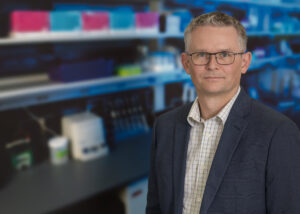
The MMRF’s Chief Scientific Officer George Mulligan, PhD, said that this test represents the Foundation’s longtime commitment to research that informs how patients are treated to improve outcomes.
“This test allows doctors to measure large and small genomic abnormalities in myeloma cells—information we expect clinicians will use more frequently to help guide treatment decisions,” Mulligan said. “This is a promising step toward more optimized patient care and another example of how the MMRF is helping deliver progress for patients.”
Note: JAYseq is not yet reimbursable by insurance, and the TGen Clinical Laboratory (a subsidiary of TGen) cannot accept samples collected in New York State. Clinicians can find more information about JAYseq here.
Whole genome sequencing can be used in multiple ways. The most recent definition of high-risk and low-risk myeloma (a predictor of how aggressive the disease will be), for example, relies on sequencing tumor genes. Because genome sequencing is much more sensitive than tests like FISH, it can paint a far more complete picture of a tumor and better inform this risk assignment. Sequencing can also reveal tumor abnormalities that help doctors decide on a patient’s next treatment, such as the status of genes that are essential for BCMA-targeting therapies like CAR T-cell therapy and bispecific antibodies.
While there is one other whole genome sequencing test for myeloma on the market today, results can take several weeks. JAYseq takes just 72 hours.
“For the first time, JAYseq allows us to view the full genomic blueprint of each multiple myeloma tumor. This enables us to identify not only why a specific therapy might succeed, but also which mutations could cause it to fail,” said Keats, who serves as associate professor in TGen’s Integrated Cancer Genomics Division and scientific director of the Judy and Bernard Briskin Center for Multiple Myeloma Research at City of Hope. “This level of detail is essential for truly individualizing cancer care.”
JAYseq is named in honor of the late myeloma patient Jay Hollingsworth, whose sister, Susan Nason, helped support the development of the test in his honor. Hollingsworth’s myeloma journey showed why this test’s speed is so important, especially for patients with aggressive disease who relapse quickly.
Hollingsworth’s doctor at City of Hope Los Angeles recommended that he undergo CAR T-cell therapy after exhausting other treatment options. While his CAR T cells were being manufactured, Keats and his team sequenced Hollingsworth’s tumor.
The results were devastating: In a short amount of time, his tumor had lost the gene that would have made CAR T-cell therapy successful, but it had three copies of another gene that suggested a different treatment. Hollingsworth’s doctor switched treatments, sparing him from an intense, expensive CAR T-cell therapy that wouldn’t have worked.
Early on, Keats and his team at TGen knew they needed diverse tumor samples for the validation of JAYseq. They found the ideal set in the MMRF’s 1,100-patient CoMMpass Study, which is the largest myeloma dataset in the public domain.
CoMMpass is a central part of the MMRF’s efforts to define the complexity of myeloma and optimize patient care. For more than 15 years, the MMRF collaborated with the team at TGen first on the Multiple Myeloma Research Consortium Genomics Initiative and then to build the CoMMpass dataset and analyze its results. Both helped demonstrate the value of whole genome sequencing in myeloma.
Importantly, over the course of those 15 years, the team not only published key findings in scientific journals, but it also shared preliminary data with the global cancer research community every six months to spark the kind of large-scale collaboration that would yield impactful results for patients. To date, more than 700 published studies and counting have used data from CoMMpass patients, and CoMMpass is widely viewed as myeloma’s most valuable dataset.
In 2024, the MMRF and TGen teams extended their collaboration so TGen could use stored CoMMpass samples for the final stages of JAYseq’s assay validation.
“CoMMpass gave us something invaluable: a large, deeply characterized dataset that let us rigorously validate what whole genome sequencing can detect in myeloma and why it matters clinically,” Keats said. “But beyond the data, the MMRF brought the infrastructure and commitment to rapidly sharing findings with the global research community that accelerated everything we were able to learn. The MMRF has encouraged a culture of collaboration through 15 years of research and inspired scientists to pursue a new test that can actually reach patients.”
JAYseq not only represents the cutting-edge research and cross-institutional collaboration that the MMRF is known to foster but also the organization’s keen foresight. Since the MMRF was founded more than 25 years ago, the organization has helped usher numerous treatments from early clinical trials to real-world care, spent years building what are now today’s most valuable myeloma datasets, and pursued some of the most innovative research initiatives in cancer.
“JAYseq, like all tangible progress for myeloma patients, requires years of persistence, expertise, and vision that are the hallmarks of the MMRF’s approach,” said Chief Mission Officer Anne Quinn Young, MPH. “We’re proud of the fact that our studies and collaborations continue to drive new tests, treatments, and breakthroughs for patients everywhere.”
The Multiple Myeloma Research Foundation® (MMRF®) continues to drive the most innovative, patient-centered research in multiple myeloma—all thanks to the MMRF community’s extraordinary generosity.
In 2025, our supporters enabled us to invest $27.1 million in critical research and patient education programs that are making a meaningful impact and accelerating cures.
The MMRF is proud to share its 2025 Donor Impact Report.
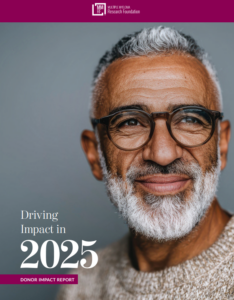
Here’s a preview of what our supporters made possible last year:
- Through the Myeloma Investment Fund®, we made strategic investments in two companies pursuing in vivo CAR T-cell therapy platforms, which promise to make this therapy more accessible and affordable.
- The Horizon Clinical Trials program—run by the Multiple Myeloma Research Consortium® (MMRC®), a subsidiary of the MMRF—moved full speed ahead and surpassed many of its goals.
- MMRF data powered several of the field’s major developments, and we launched our next innovation in data-sharing: the MMRF Virtual LabTM.
- Our trusted patient education and support programs reached more than 17,000 patients and caregivers.
- …and so much more.
“Myeloma’s biggest breakthroughs—and cures—are within reach, but the road ahead demands our greatest effort yet,” said the MMRF’s President and CEO Michael Andreini. “With the MMRF’s supporters by our side, we’re ready to meet any challenge.”
Read the full 2025 Donor Impact Report here.
 Earlier this year, the Myeloma Investment Fund® (MIF), a wholly owned subsidiary of the Multiple Myeloma Research Foundation® (MMRF), made a new investment in Coding Bio, an Oxford, U.K.–based biotechnology company.
Coding Bio’s platform could accelerate the development of best-in-class immunotherapies for multiple myeloma and other cancers. By combining machine learning with advanced cellular screening technology, Coding Bio can rapidly test millions of protein candidates to pinpoint the designs that are most capable of triggering powerful immune responses against cancer. The company’s modular approach allows multiple cancer targets to be addressed by a single therapy, potentially overcoming one of the most persistent challenges in myeloma treatment: drug resistance.
“Coding Bio’s work exemplifies the kind of bold, rigorous science that we believe will move the needle for myeloma patients and reflects the MIF and MMRF’s commitment to fostering bold innovation,” said Managing Director Stephanie Oestreich, PhD, MPA.
We spoke with Coding Bio’s CEO Simon Bornschein about the promise of the company’s platform and how it could speed up the drug development process, why the MIF’s funding and support is so crucial, and more.
Tell us about Coding Bio and how the company got started.
I have a PhD in cancer immunology and have spent much of my career working on immunotherapies. One thing I noticed over the years was that the field has traditionally focused on generating high-affinity antibodies—essentially measuring how strongly a therapy binds to cancer cells. But what really matters is how well the immune system becomes activated and mounts a response against those cells. That insight became the foundation for what we built at Coding Bio.
When my co-founder, Yulia Lampi, and I started the company four years ago, we built a platform that can test millions of potential therapeutics and measure what candidates actually trigger the most powerful immune response against cancer directly in immune cells. We can now test more than 70 million different therapeutics and use that dataset to train machine learning models that simulate immune response. That lets us generate and refine new immunotherapy candidates far more efficiently than traditional methods.
How is machine learning central to what Coding Bio does?
Three years ago, we made the decision to build machine learning models around our growing dataset. The idea is that once you’ve measured the immune response for tens of millions of therapeutics, you can train a model to simulate that response—and then use the model to design better candidates without having to run every experiment from scratch. The advances that have driven large language models like Claude and ChatGPT are the same advances we’re tapping into for drug discovery. Instead of predicting the next word in a sentence, we’re predicting the next amino acid in a protein sequence.
Why is a modular approach to immunotherapy so innovative, especially for myeloma?
One of the big limitations with immunotherapies today is that they tend to target only a single antigen on cancer cells. In myeloma, most available therapies go after the same targets, which means when patients develop resistance—as often happens—there aren’t many options left to try.
Our approach is different. Our lead program, CB101, targets two different antigens on myeloma cells simultaneously. The therapy can kill cancer cells if target A is present, or if target B is present, or both. If the cancer loses one of those targets, the other can still do the job. We’re essentially trying to preemptively outsmart resistance.
And that modularity is designed to scale. The next iteration could go after three targets, or it could target the tumor microenvironment. Our platform lets us quickly swap new binding domains [the parts of the therapy that physically latch onto a target] as we discover them, which means we can build increasingly sophisticated therapies without starting from zero each time.
What problem is Coding Bio ultimately trying to solve for patients?
We’re trying to develop a therapy that can match the remarkable efficacy of CAR T-cell therapy but be available off the shelf for any patient who needs it. CAR T requires manufacturing individualized cells from each patient’s own blood, which is time-intensive and expensive. Few myeloma patients receive CAR T simply because they don’t live near a major academic medical center that can administer it.
With an antibody-based therapy like CB101, we can produce hundreds of thousands of liters of it to freeze, and have it ready to inject when a patient needs it. The goal is that the next generation of therapies, like ours, can approach the same effectiveness as CAR T but be accessible to far more patients.
How does Coding Bio’s platform speed up drug development?
Drug development is inherently slow, especially when it comes to clinical development. But we can make a real difference in the discovery and early development phase. Once we identified a target for CB101, it took us six months to go from that insight to having a candidate ready to test in animals. With traditional approaches, that process can take two to five years. We’re hoping to move into a phase 1 clinical trial in early 2027, less than a year and a half after identifying the target. That’s the kind of acceleration that this technology can enable.
How will early funding from the MIF advance Coding Bio’s work?
This funding is critical for getting us through the most capital-intensive phase of development: manufacturing the molecule at a scale suitable for clinical use and for pushing it toward a first-in-human trial. You can build a lot of promising molecules in the lab, but at some point, you have to start manufacturing. That costs money. The MIF’s investment is what’s getting us across that threshold. In addition, MIF has a vast investor network and pharma contacts for business development discussions.
Beyond capital, what makes the MIF’s investment different from traditional venture capital funding?
The validation alone is significant. Having one of the world’s largest nonprofit focused solely on myeloma research back your myeloma program is a powerful signal to external investors, to the scientific community, to everyone watching the space. It says the people who know this disease best believe this therapy could make a difference for patients.
But beyond that, the MMRF brings something venture capital can’t: deep, direct connections to the clinical community and expertise in clinical trial design. As we move toward a phase 1 trial, we need guidance on where to run it, which investigators to work with, and how to design the trial to protect patients while generating meaningful data. Having access to leading myeloma physicians and a network of 20-plus clinical centers through the MMRF’s clinical research subsidiary is invaluable. That network is something you simply can’t buy.
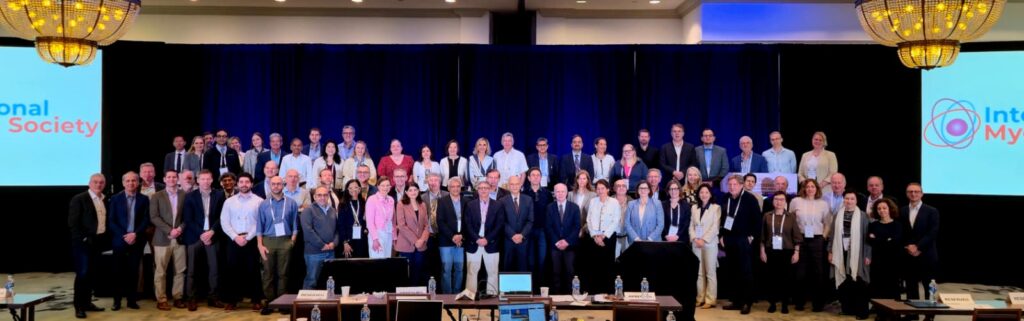
Last week, the International Myeloma Society (IMS) convened a historic meeting to answer a question our community has asked for decades: What does “cure” mean in multiple myeloma?
Over a day and a half, MMRF representatives and nearly 100 clinicians, researchers, industry partners, patient advocates, and patients came together in person, with more than 1,000 participating virtually. Together, we reviewed data spanning more than 30 years—the advent of Total Therapy pioneered at the University of Arkansas in the 1990s through today’s most advanced immunotherapies—to understand what depth and duration of response may truly predict long-term remission and cure.
Based on this meeting, the new proposed definition of a cure for multiple myeloma is:
Patients who are MRD-negative (meaning there are no myeloma cells detected among 1,000,000 plasma cells) and have been off all anti-myeloma therapy for five years may be considered cured.
This marks a profound shift for myeloma research and care.
Cure—Without Compromise
To create a proposed definition, attendees discussed three essential criteria for a cure:
- Effective therapy of finite duration
- No evidence of disease
- No relapse after stopping therapy
For years, continuous therapy has been the standard paradigm, with many patients on treatment indefinitely. But a cure means something fundamentally different and more patient-centered: no detectable disease and no need for ongoing treatment.
Importantly, this proposed definition applies to all patients: newly diagnosed or heavily pretreated, standard-risk or high-risk. Cure, we all agreed, should mean the same thing for every myeloma patient.
One critical caveat: Attendees agreed that cure cannot come at the expense of irreversible side effects or second cancers. Patients should expect not only freedom from myeloma, but to have a normal life expectancy and quality of life.
Defining cure is a watershed moment. Yet today, very few patients meet this five-year, treatment-free benchmark. That reality underscores how much work remains.
Powerful Patient Stories
The most inspiring moments at the meeting came from two extraordinary patients.
One underwent an allogeneic transplant more than 30 years ago and remains disease-free today. The other participated in the CARTITUDE-1 trial of the CAR T-cell therapy Carvykti® and has been off treatment for over seven years with no evidence of disease.
Their experiences and those of other long-term survivors remind us that cure is no longer theoretical—it is possible.
Meeting attendees also heard from leaders in lymphoma, testicular cancer, and lung cancer, where “cure” is already part of the standard vocabulary. Their frameworks helped inform the discussion of what this means for myeloma patients and for the design of clinical trials aiming to test cures.
The Roadmap to Cure
The MMRF is committed to leading the next chapter of this work. Our Foundation’s key priorities include:
- Identifying which current and emerging therapies have curative potential
- Understanding which patients are most likely to be cured with specific treatments
- Matching the right patient to the right potentially curative therapy
- Developing new options for patients who are unlikely to be cured with today’s treatments
- Ensuring curative strategies do not create unacceptable long-term risks
- Studying patients who live treatment-free with low-level disease (such as those reverting to an MGUS-like state)
- Advancing blood-based MRD testing to reduce reliance on bone marrow biopsies
Earlier this year, the MMRF launched the first study in our Translational Research Umbrella (TRU) program, enrolling 150 patients receiving BCMA-targeted CAR T-cell or bispecific antibody therapies as part of standard care. By deeply analyzing tumor biology, immune response, and the microbiome, we aim to understand who benefits most—including who may be cured—and why.
Importantly, gleaning insights into why some people can be considered cured will inform faster, better-designed clinical trials of potential curative treatments. Through our Horizon Clinical Trials Program, we will soon launch additional studies specifically designed with curative intent, building on insights from TRU.
A Historic Moment
For more than 25 years, the MMRF’s mission has been to accelerate a cure for every patient. For much of that time, “cure” felt aspirational. Our focus was ensuring patients lived longer, with new therapies always on the horizon, while we worked to better understand the biology of the disease.
Today, we stand at a turning point. Cure is no longer just a hope. It is an achievable goal.
But achieving it for every patient will require urgency, collaboration, and relentless focus. The MMRF will continue to lead and partner across the community until cure is not the exception, but the expectation—and until we can close our doors because our work is done.
What Myeloma Patients Need to Know Now: Answers to Frequently Ask Questions About the Definition of a Cure for Myeloma
Below, the MMRF team answers several questions we’re hearing from myeloma patients about this proposed definition.
1. How does this proposed definition become official? What happens now?
The International Myeloma Society (IMS) is a society that brings myeloma professionals, industry, researchers, and clinicians together to improve care and promote research. IMS convened this summit to establish a working consensus on a definition of cure in myeloma.
Now that IMS has settled on an official definition, it will help guide research moving forward, particularly when it comes to measuring who has an exceptional response to treatment and why. The field will also move toward standardized MRD testing.
It’s important to note that this definition—based on how other cancers define cure—may evolve over time as we learn more about the disease.
2. I was told multiple myeloma couldn’t be cured. What changed?
Two main factors influenced this definition:
- The field now has long-term data showing that a small set of myeloma patients are living for five or more years off all treatment. This conforms to the definition of cure in other cancers.
- The number of patients who meet this definition is small and they have been treated with various regimens over the years. But with the increasing use of CAR T-cell therapy in myeloma, researchers and clinicians are now seeing more patients who fit this definition and have received the same therapy.
3. How many myeloma patients might meet this definition of cure today?
Very few myeloma patients meet this definition of a cure today. But because of current and future transformative therapies, we expect that number to increase significantly in the coming years.
4. Does this proposed definition change myeloma care today?
It does not change myeloma care today, but it will likely change care in the coming years.
While the field has defined a cure for myeloma for the first time, the fact remains that unfortunately, we do not yet know how to cure every patient, and this definition only applies to a small number of people.
This definition reinforces the urgency of the MMRF’s mission and the need for more research to understand myeloma, uncover differences between myeloma patients and how they respond to treatments, and personalize care. The MMRF’s groundbreaking clinical trials and data initiatives will push the field forward toward a future where every patient is matched to a curative treatment.
If you think you meet this new definition of a cure or have other questions about your individual situation, talk to your myeloma specialist.
5. What happens if a patient meets the definition of cure and then relapses?
When a cured myeloma patient relapses, they will need treatment. This is an unfortunate reality in even the most curable cancers, such as early-stage breast cancers, thyroid and prostate cancers, and melanoma. This is called recurrence. Ongoing research is uncovering why this happens and what can be done to reduce recurrence.
This is why continued research into myeloma is so important. By better understanding the biology of myeloma and how it behaves in different patients, we can optimally treat each patient based on their individual characteristics and recurrence risk.
Further, with more data and research, this initial definition of a cure may evolve over time.
6. How does having a definition of cure change myeloma research? Could this reduce myeloma research funding or slow down drug development?
This is an exciting development for myeloma research. Having a universal definition of cure for the disease will allow researchers to test whether treatments like CAR T-cell therapy are actually curative and generate more data to help us understand who they are curative for and why.
Myeloma research and the MMRF’s research focus has never been more critical. Even if a small number of patients can currently be considered cured, we cannot predict who will be cured or what treatment will lead to cure, especially since those patients have received a variety of regimens.
Patients need more options. The myeloma research community and the MMRF will continue its urgent work to expand treatment options, better understand the disease, and identify curative therapies for every patient.
7. Does this definition apply to smoldering multiple myeloma?
Yes. This definition applies to every patient including those with smoldering multiple myeloma, those who are newly diagnosed, those who have relapse/refractory myeloma, and more.
In 2003, Jonathan Gluck went to see his doctor about lingering pain in his hip—pain that, over the course of a year, had grown so severe he was having trouble picking up his newborn daughter. His doctor ordered an MRI.
Jonathan was floored when he learned he had a cancerous lesion on his hip. At just 38 years old, he was diagnosed with multiple myeloma. One doctor told Jonathan he might have as little as 18 months to live.
As he was processing his new reality, lining up his care team, and making a treatment plan, Jonathan’s hematologist said something that has stuck with him ever since.
“He said to me, ‘You’re probably feeling very unlucky, but in a way you’re actually lucky. We’re on the verge of some big breakthroughs for this cancer,’” Jonathan remembered. “I thought he was just trying to give me an ounce of hope. But he turned out to be right. Each new treatment that’s come along—and the fact that I’ve responded well to many of them—has made me believe that.”
Over the two-plus decades since Jonathan was first diagnosed, these advances have kept him one step ahead of the disease. In 2023, Jonathan underwent successful CAR T-cell therapy and has been in remission since.
Despite multiple relapses and grueling rounds of treatment, Jonathan has been able to see both of his kids grow up, be there for his wife, go on bucket list fly-fishing trips, and keep doing work that he loves. More recently, he published an acclaimed memoir, An Exercise in Uncertainty, about his experience with myeloma.
Jonathan sees a direct line between the MMRF’s work and the scientific progress that has allowed him to live a full life with myeloma.
“The MMRF has led more than 100 clinical trials over the years, and they’re at the forefront of new research,” he said. “That’s tremendously important to me.”
Jonathan has also relied on the MMRF as a trusted source of information and guidance. In fact, he first learned about CAR T-cell therapy on an MMRF webinar, right as he was coming out of his last remission and getting sicker. Soon after, he and his doctor started talking about CAR T as an option.
“Everything I got from the MMRF was relevant, helpful, intelligently presented,” Jonathan said. “You can trust it. It’s authoritative.”
Though Jonathan has lived with myeloma for more than 20 years, he still has to navigate never-ending uncertainty and fear of another relapse, likening living with the disease to sleeping next to a hibernating bear.
“You might feel safe for a certain period of time while the bear is asleep, but you also know the bear’s going to wake up,” he said. “And when he does, he’s going to be hungry. That’s the feeling I’ve had for many years.”
Finding meaning, purpose, and community has been a salve. Over the years, his family has fundraised for the MMRF and attended the Foundation’s walks. He is also donating a portion of the proceeds from An Exercise in Uncertainty to the MMRF.
“Their work provides hope that there’s always something new around the corner,” he said. “I owe a lot of why I’m here to the MMRF.”