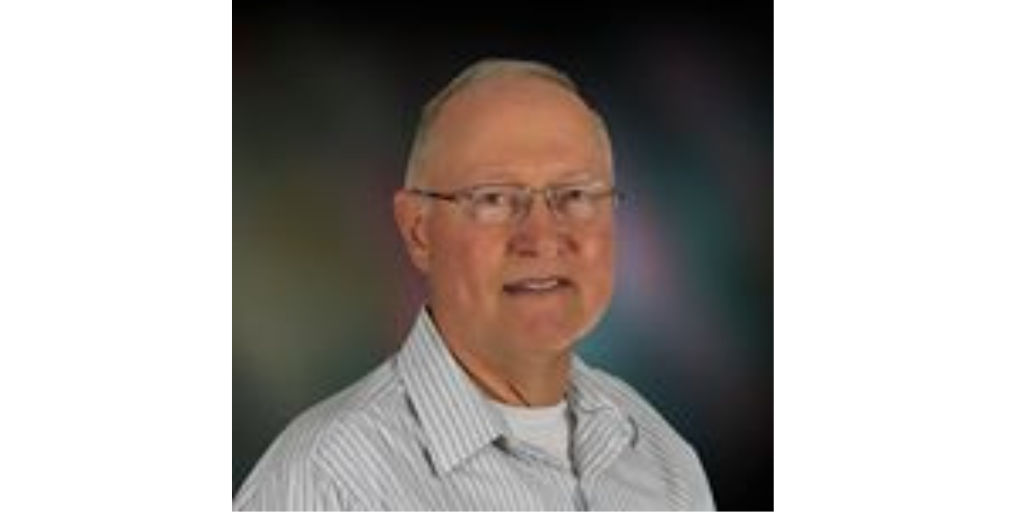
Hal Anderson considers his life to consist of two phases, which he labels BC and AD. BC is before cancer, and AD is after diagnosis.
Before cancer, Hal had served 31 years on active duty in the U.S. Navy, retiring as a Captain. He was a career nuclear submarine officer who commanded the USS SHARK. During his career in submarines, his approach to problem solving was to gather the facts, research possible options, seek the best available advice, decide the best course of action, and carry out the plan.
When he was diagnosed with Stage 3a multiple myeloma in 1998 after suffering multiple compression fractures of his lower spine, Hal took the same approach to solving this new problem. Options for treatment were limited in 1998. Being in his mid 50s, the standard of care consisted of a three-drug combination of chemotherapy followed by an autologous stem cell transplant. After eight cycles of VAD and the transplant, Hal enjoyed about two years of remission. When he relapsed in 2001, there were still no new approved options for treatment, but thalidomide, only approved for treating leprosy at the time, was showing benefit for some patients. So, Hal used thalidomide, off label, for a few years until Revlimid became available.
The two years after his transplant, 1999–2001, was the only time frame in which Hal was in remission after his diagnosis in 1998. Otherwise, he has been treated with various combinations of drugs that have been able to keep the myeloma under control.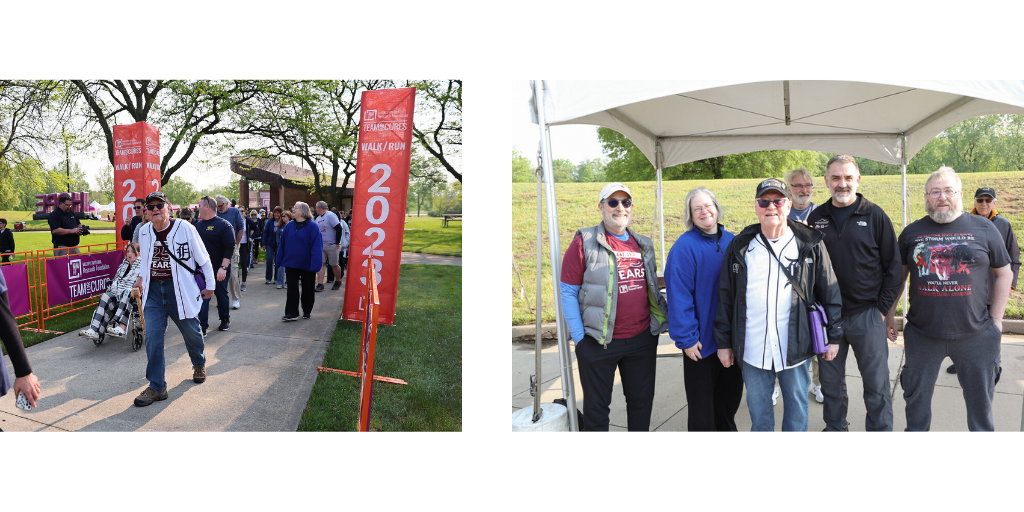
When the MMRF started doing 5Ks in 2001, Hal and his mentor signed up for the Chicago event. They didn’t know anything about fundraising that first year, but every year since then, Hal has made an effort to help raise money for research into better treatments and a cure for myeloma. To celebrate 10 years of survivorship in 2008, Hal set his goal at $10,000 and raised it by $1,000 each subsequent year until it reached $20,000, which has been his goal every year since then.
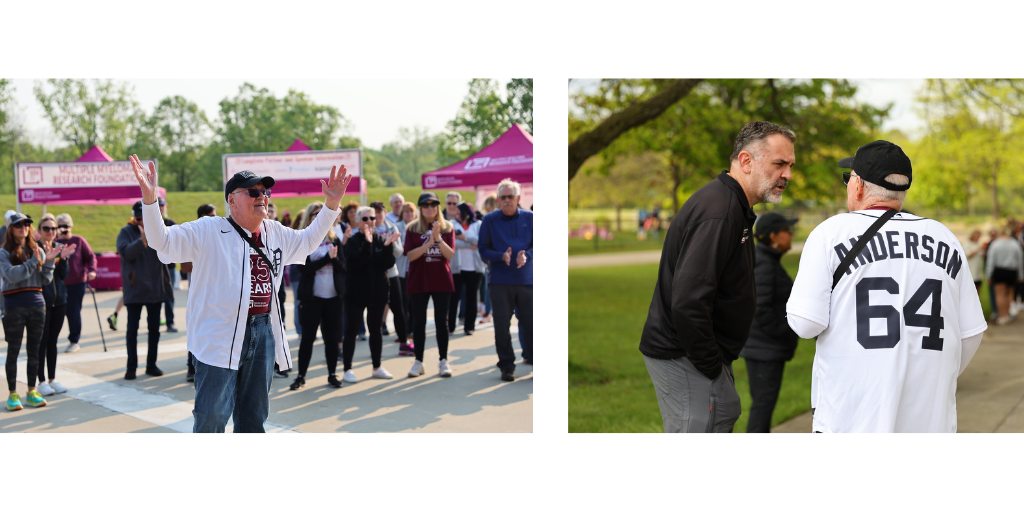
Hal’s advice for surviving myeloma for 26 years is the approach outlined above:
- Educate yourself about the disease and available treatments.
- Find a mentor. The best place to do that is by being an active member of a myeloma support group.
- Consult with a myeloma expert to help you decide the best treatment for you.
- If the plan works, stick with it. If it doesn’t, repeat step 3.
Hal is benefiting from his early years of fundraising by using drugs that are products of the research he helped fund 20 years ago. He encourages you to follow his example.
The MMRF is delighted to recognize Hal Anderson as the MMRF Spirit of Hope Honoree at the 2024 MMRF Team for Cures: Detroit Walk/Run. Donate to his fundraising page to accelerate a cure today!
This award is presented at every Walk/Run to a patient, caregiver, or family who inspires hope through their resilience, perseverance, and dedication to the MMRF and its mission.
What is non-secretory multiple myeloma?
In most cases, myeloma cells release monoclonal antibodies (M-protein) into your blood and urine. In rare cases, myeloma cells do not make any monoclonal antibodies, a condition called non-secretory myeloma. It can be difficult to diagnose patients with non-secretory myeloma because they have no M spike. While treatment for non-secretory myeloma is often the same as for other types of myeloma, it is more difficult to monitor treatment efficacy since doctors cannot use a simple blood test to detect the M protein.
If a clonoSEQ minimal residual disease MRD test is not possible due to a defective original bone marrow biopsy, would flow cytometry be the next test?
This is an advantage of having multiple ways to measure MRD. For the clonoSEQ test, a patient needs a baseline bone marrow biopsy sample to establish the presence of an individual’s DNA sequence in the myeloma cells that can then be tracked over time. Flow cytometry does not require a baseline sample from the patient, so this is an alternative test to measure MRD if the initial bone marrow biopsy sample is not available. Flow cytometry can be used to simply count the number of myeloma cells from a recent bone marrow biopsy.
Is there a way to obtain an MRD status without a bone marrow biopsy?
Currently there is no test that is FDA approved to measure MRD from a peripheral blood sample. There are several studies that are evaluating the use of blood-based test to measure the levels of M-proteins or circulating tumor DNA; that is a DNA fragment released by myeloma cells during cell death. Additional studies are needed to determine if a blood-based MRD test could be introduced in the clinical in the near future.
Does the age of the patient play a role in whether a patient can receive a bispecific antibody?
The age and the performance status of the patient play a role in determining which treatment is selected. Someone who is frail and/or has a poor performance status may be better suited for a bispecific antibody. Whereas a younger patient with a good performance status could be a better candidate for CAR T-cell therapy. There is currently no limit on the age of a patient who can receive bispecific antibody therapy. Healthcare professionals should have a discussion with the patient to see what is in line with the goals of the patient.
Is it better to have a bispecific antibody first then a CAR-T or a CAR-T first then a bispecific antibody?
That is the million-dollar question. Findings from recent clinical trials have shown that the overall response rate was higher in patients who have received CAR T therapy first. Generally, the myeloma community believes that you can use CAR-T first and then use bispecific antibody therapy following relapse. If we treat patients with a BCMA-directed bispecific antibody first, the efficacy of a follow-up BCMA-directed CAR-T therapy may not be as strong. However, every situation is unique. For example, one doctor had a patient who had rapidly progressive disease and needed treatment immediately with a bispecific antibody while the CAR-T was being developed.
What is the most recent data on the efficacy of bispecific antibody therapy for patients with high-risk disease?
While we have moved the needle and improved outcomes for patients with standard risk disease, there is a long way to go when it comes to improving outcomes in patients with high-risk myeloma. That is why we have the MMRF HORIZON platform trials. We need new trials with new designs to see how bispecific antibodies can improve the outcomes of patients with high-risk disease. There is a lot of interest in the community to see how these newer trials can address the unmet need of this patient population.
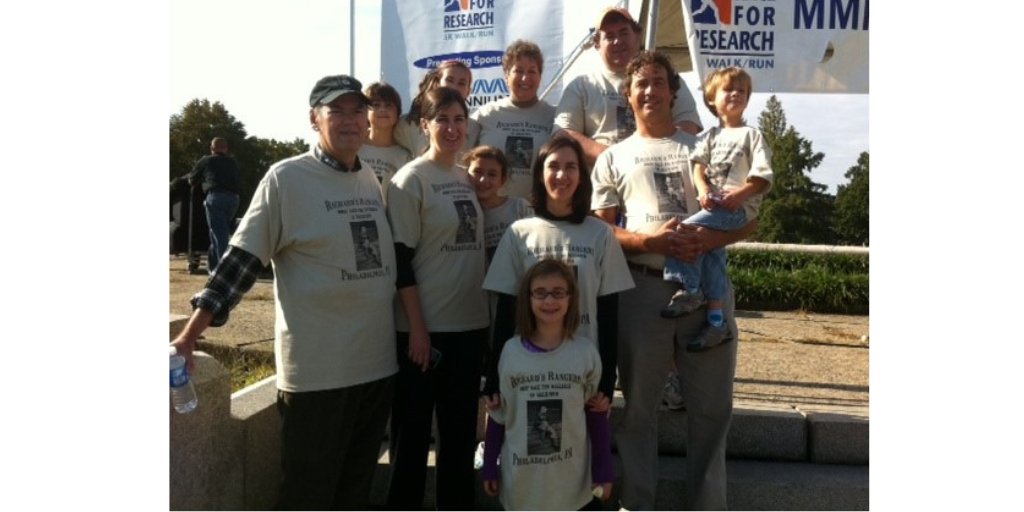
How did you get involved with the MMRF?
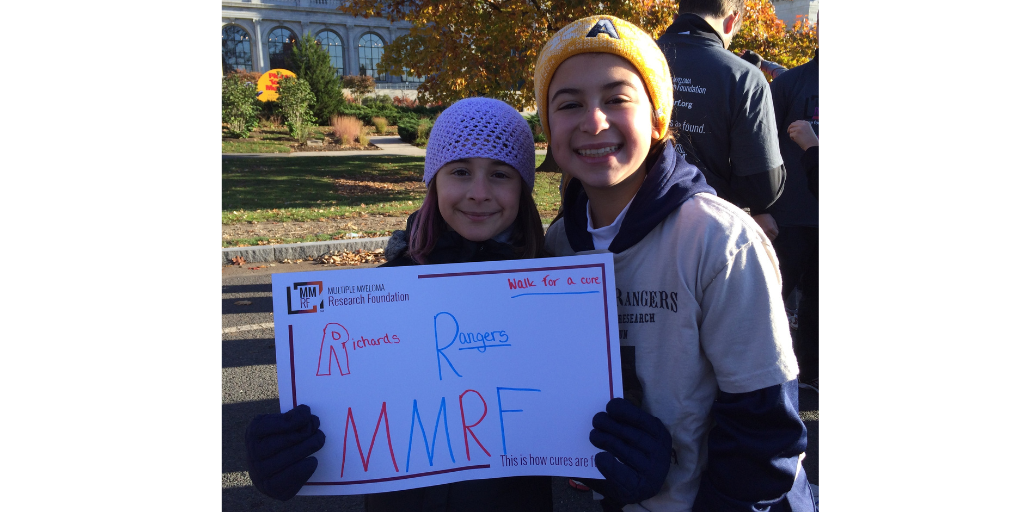
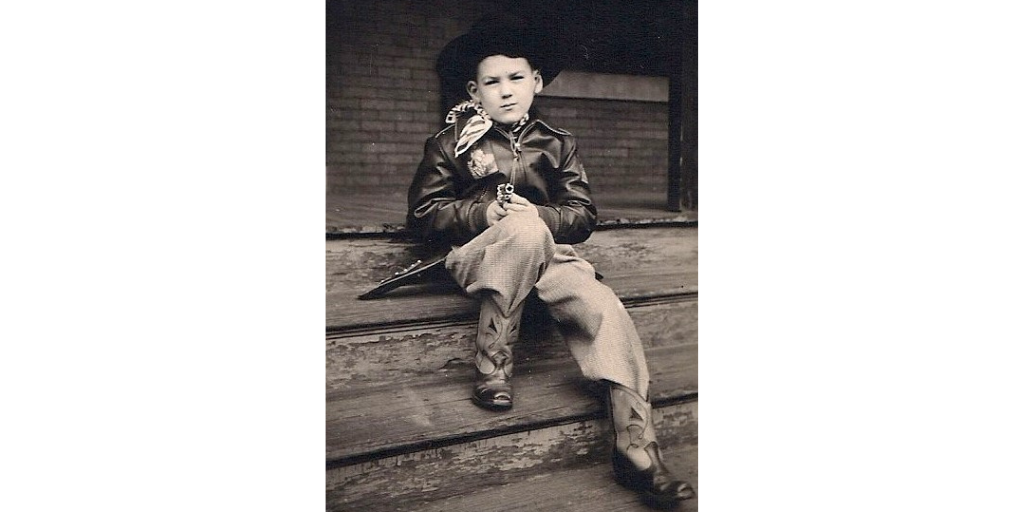
Our “Richard’s Rangers” team was formed by our family for the MMRF Race for Research in Philadelphia in 2010 as a way to honor our husband, father, and grandfather, Richard A. Englander and fundraise and spread awareness for the disease. Richard was a patient of Dr. Edward Stadtmauer at the Hospital of the University of Pennsylvania. He had told Richard about the wonderful work of the MMRF to educate patients and caregivers and to fund important research to find a cure. We have been supporting the MMRF ever since!
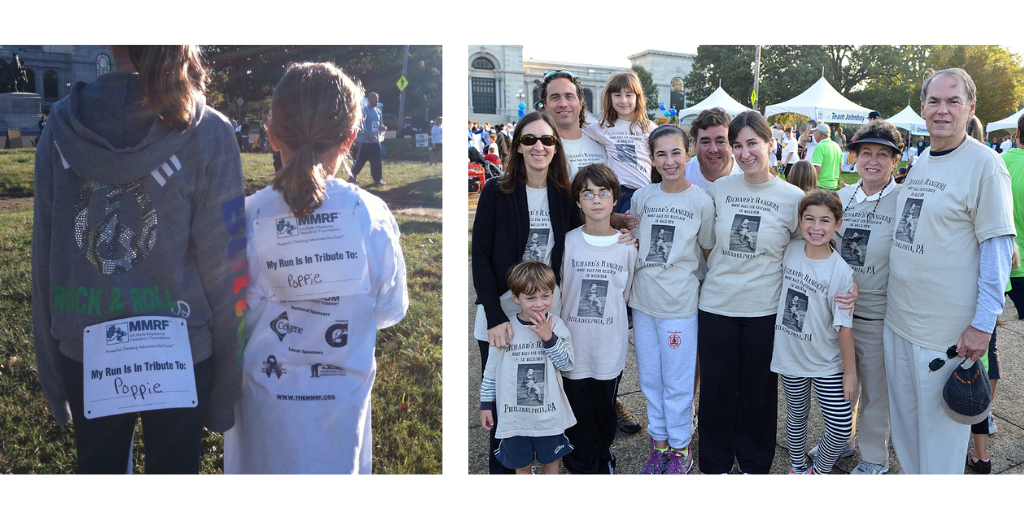
Why did you choose to participate in the MMRF Walk/Run?
We first chose to participate in the MMRF Walk/Run because it was a way that the three generations of our family (even very young children) could come together to do something to support Richard as he was battling multiple myeloma. His story is nothing short of miraculous. He was diagnosed in 1988, had a stem cell harvest in 1997 and transplant in 2000, and was given several novel treatments along the way. He was able to walk with us in 2010 and for several years following until he passed away in 2016. The MMRF’s help in developing new ways to fight myeloma, without a doubt, gave Richard a chance to live for over 20 years following his diagnosis.
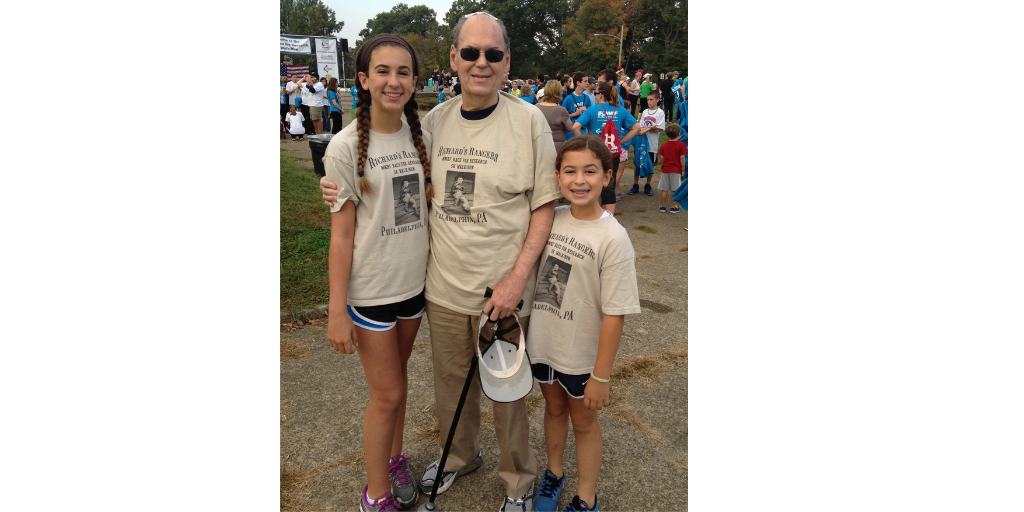
The Spirit of Hope is given to “individuals/groups who inspire hope and show extraordinary commitment to the MMRF.” What does being given the award mean to you?
It is an honor for Richard’s Rangers to be recognized with this award. We are indebted to the MMRF for the groundbreaking research that continues to this day to treat multiple myeloma to allow future generations of patients to live their lives to the fullest as Richard did. He was an inspiration to us, never wavering in his desire to beat his cancer and to give others hope.
How have you found perseverance in light of obstacles? Please share any stories that have given you strength.
Since Richard’s death in 2016, we have all tried to honor him by living our lives like he did. Richard was incredibly loving and was adored by all who met him. He trusted in God and his doctors and endured many years of treatment with grace and dignity.
Do you have a favorite mantra, quote, or lyric that gives you strength? Anything to add?
We are looking forward to having our whole family together again in Philadelphia this October to walk in Richard’s memory and to support the MMRF!
The Multiple Myeloma Research Foundation is delighted to recognize Richard’s Rangers as the MMRF Spirit of Hope Honoree at the 2024 MMRF Team for Cures: Philadelphia Walk/Run.
This award is presented at every Walk/Run to a patient, caregiver, or family who inspires hope through their resilience, perseverance, and dedication to the MMRF and its mission.
Multiple myeloma is a complex cancer, different in every patient. This complexity makes it difficult to predict what therapy will work best for each patient. Knowing a patient’s prognosis at the time of their diagnosis can help their care team decide which therapy would be most effective for first line treatment.
Differences in myeloma in each patient can be traced back to the complex DNA changes (also known as the “genomic landscape”) in each patient’s myeloma cells. This information can only be measured in tumor cells collected during the bone marrow biopsy. Researchers have long looked to catalog what these changes are, and which ones are important to a patient’s overall survival. This type of work requires a large dataset of DNA sequences from many myeloma patients, their clinical history (i.e., what they were treated with and how well the treatment worked) and their demographic data. No single clinical center in the world sees enough patients to generate a data set like this on its own.
We began our multi-year CoMMpass study back in 2011 to build such a dataset. It is the largest and most complete dataset of its type in myeloma, and more than 605 researchers around the world have used this dataset to form and test their hypotheses. CoMMpass holds the detailed genomic and clinical data of over 1000 newly diagnosed patients from 76 centers in 4 countries. These patients agreed to join this research study, enrolled over the course of 4 years and were followed for 8 years; the data is freely available to researchers worldwide. Numerous papers are published yearly using CoMMpass data, and it has been invaluable in helping to develop early risk and prognosis models in myeloma patients.
Recently, Dr. Francesco Maura of the Sylvester Comprehensive Cancer Center at the University of Miami, and colleagues from various institutions, published a new model of genomic classification and prognosis in multiple myeloma. The model was developed using detailed clinical, genomic, and therapeutic data from 1933 patients, 1062 of which were from the CoMMpass dataset. Using this data, the investigators developed a model called Individualized Risk Model for Myeloma (IRMMa) that found 12 genomic groups with high prognostic accuracy compared to earlier models. The IRMMa model was then confirmed on 256 patients enrolled in the GMMG-HD6 clinical trial and was used to show which patients benefitted significantly from autologous stem cell transplant (ASCT) vs. those who saw limited benefit. The model performed well, with good overlap seen between observed risk and risk predicted by the model for each patient. This machine learning model is now publicly available for other myeloma researchers, who are encouraged to add their own patient data to it. Further testing is necessary before this preliminary model becomes a clinical test. It is only through analyzing large data sets that researchers can accurately identify predictive signatures that could guide clinical decision-making.
In conclusion, predictive models of this type require large datasets for their accurate development. The MMRF built the CoMMpass dataset for exactly this purpose, and this treasure trove of myeloma data is now bearing fruit. It is hoped that additional data added to the IRMMa model will sharpen its predictive ability so that eventually, every newly diagnosed patient will receive the best, most effective therapy for their own unique type of myeloma.
How did you get involved with the MMRF?
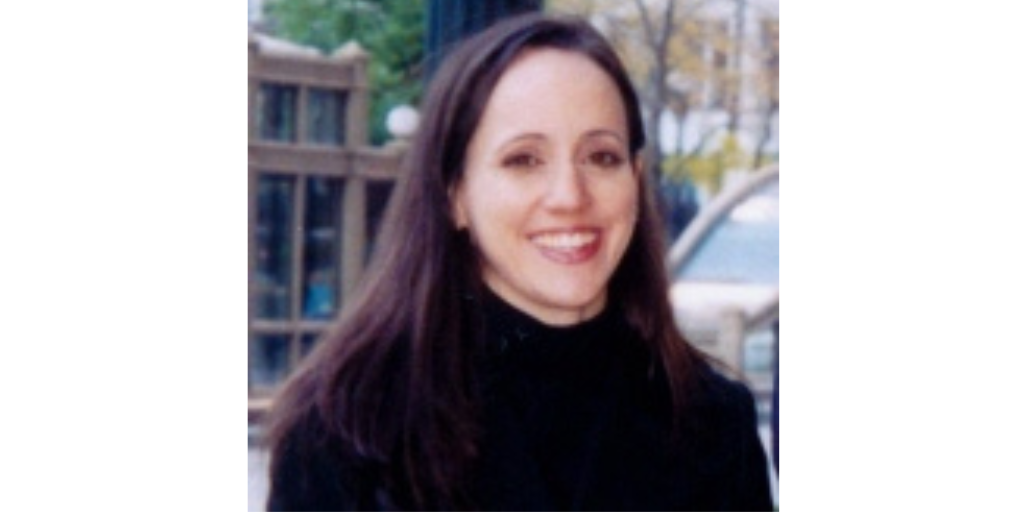
My sister, Christine Serra, was diagnosed with multiple myeloma in September 2007. The next year when I ran the Chicago Marathon, I decided to fundraise for the MMRF and have been continuing to fundraise ever since.
Why did you choose to participate in the MMRF Walk/Run?
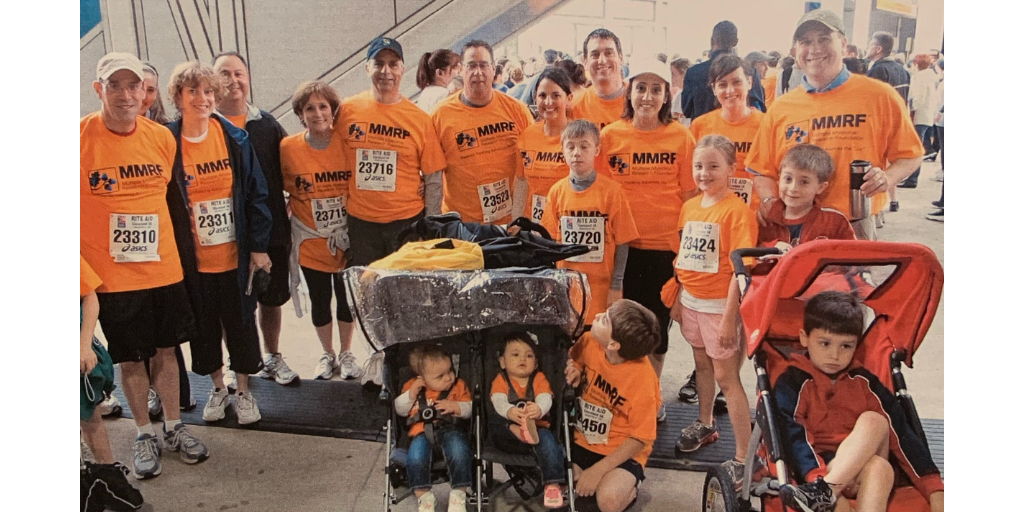
Soon after Christine was diagnosed, we formed Christine’s Crusaders. A large group of friends and family came out year after year to run and walk alongside her while she battled myeloma for six years. The MMRF gives so much of what is fundraised to research. While Christine passed away in 2013, Christine’s Crusaders have continued to fundraise to honor her memory and give hope to others battling the disease.
The Spirit of Hope is given to “individuals/groups who inspire hope and show extraordinary commitment to the MMRF.” What does being given the award mean to you?
Receiving this award means that while Christine is not with us, her spirit lives on. We hope to carry the torch of inspiration. It shows that all our work over the years is giving hope to others.
How have you found perseverance in light of obstacles? Please share any stories that have given you strength.
Christine is the most selfless person I have ever met. The most important thing she gave was her time. She would drop what she was doing to donate her time to a cause, volunteer at her children’s school, or just make time to listen. She was very cognizant that time was a precious gift. I try to live my life like her, making time for others.
The MMRF is delighted to recognize Christine’s Crusaders as the MMRF Spirit of Hope Honoree at the 2024 MMRF Team for Cures: Atlanta Walk/Run.
This award is presented at every Walk/Run to a patient, caregiver, or family who inspires hope through their resilience, perseverance, and dedication to the MMRF and its mission. Donate to Christine’s Crusaders 2024 Walk/Run fundraising page to accelerate a cure today!
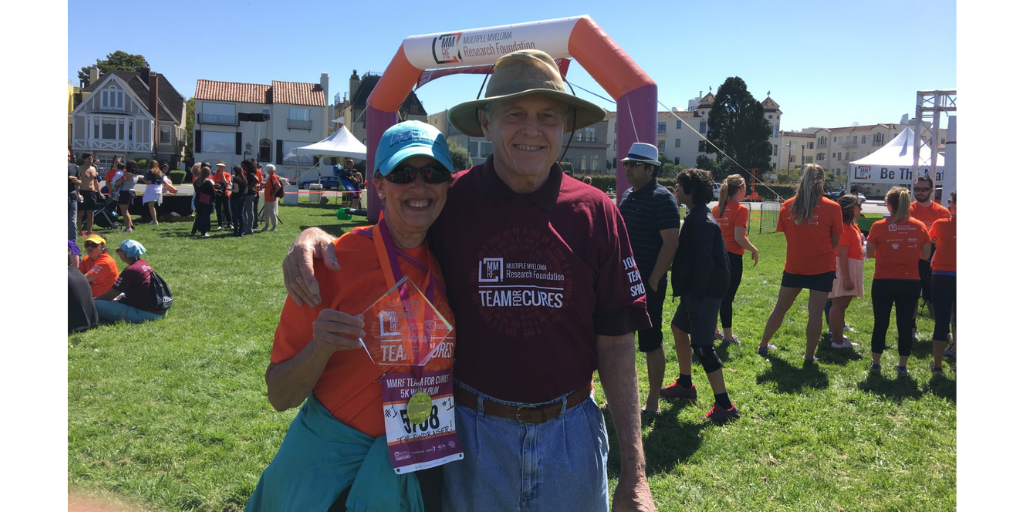
How did you get involved with the MMRF?
Dennis and I didn’t always have cancer. We were in the middle of a sailing circumnavigation, when I first started noticing how fatigued Dennis was getting. I would think that’s how I will feel someday when I get to be Dennis’s age (we were ten years apart in age). And then I noticed that we were both losing weight, but I thought that was from a healthy lifestyle living off the grid. But then I started getting fatigued too, which I attributed to the fact that I was doing more of the sailing and chores because Dennis was so tired and taking more naps.
All the signs of cancer were there for the two of us, but it took a boating accident off a remote island in Northern Australia that prompted us to get medical attention. Because we didn’t have immediate access to good medical care, it took us a little over three months of sailing from Australia via Indonesia up to Singapore to get a proper diagnosis; we were told to go home immediately.
Once home, the doctors officially diagnosed Dennis with multiple myeloma. Because myeloma was my husband’s first cancer diagnosis, we both felt that it was important to support and fundraise for this treatable, but not curable, cancer. Dennis started the tradition as he wanted to do something and felt that this was something that he could do from a hospital bed in the cancer clinic. Our hopes were for a cure and to keep those treatments coming for those patients like Dennis who did not respond to the available treatments. Sadly, Dennis exhausted all the treatments, so it’s important to keep pushing for more treatments until there is a cure.
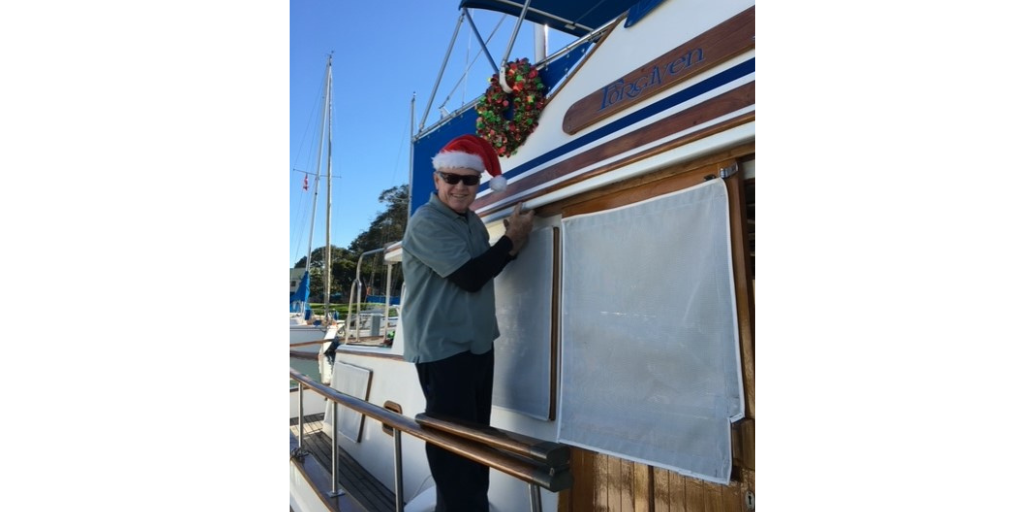
Why did you choose to participate in the MMRF Walk/Run?
MMRF is considered one of the best charitable organizations where your dollar goes the furthest to fund research for a cure; that’s important! It’s a dream of mine to have a world without cancer.
After I finished cancer treatment, Dennis and I started participating in the MMRF walks. He wanted to do something for the fight and realized that he could call family and friends for donations while getting chemo and blood/platelet infusions. While Dennis was in the early stages of his cancer, he was able to participate in the walks. Dennis was getting treatment at UCSF and we felt that it was important to support both MMRF and UCSF. We also have three neighbors (Bob, Alan, and Robin) fighting myeloma; plus, I lost a high school classmate (Gary) to myeloma, so the MMRF mission is near and dear to our hearts.
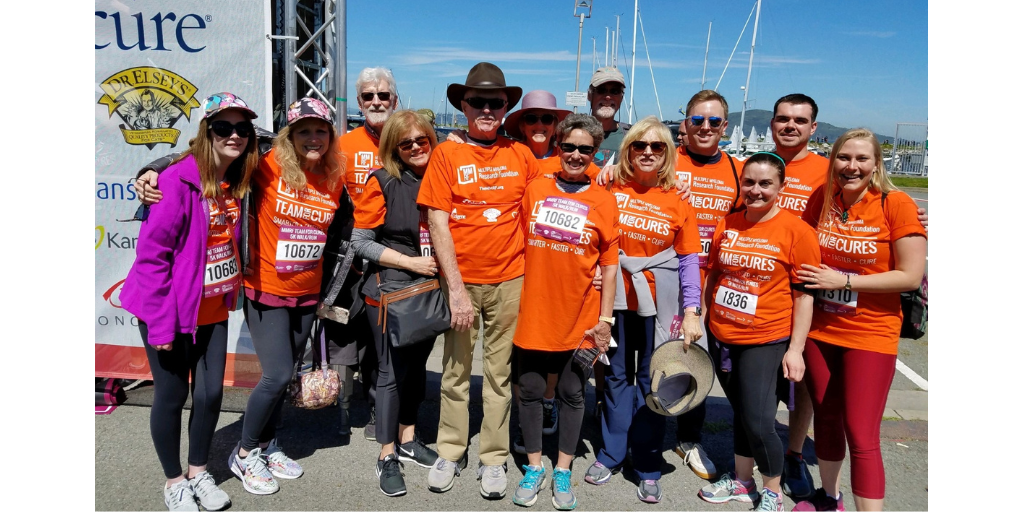
The Spirit of Hope is given to “individuals/groups who inspire hope and show extraordinary commitment to the MMRF.” What does being given the award mean to you?
I am a grateful cancer survivor but have sadly lost many of my family members to cancer. This includes my husband Dennis Millard (total of four cancers: two blood cancers multiple myeloma and acute myeloid leukemia; head and neck cancer; and skin melanoma); my sister Teri Bent, my brother-in-law Mike Millard; my niece Heidi Chamberlain, my daughter-in-law Theresa (the mother of my three grandchildren, Brenton, Alex, and Maddie); my Aunt Pat; and many others. They are why this is a very meaningful honor. There is also an alarming rise of cancer amongst young people, including my niece Claire Bent, who was diagnosed with colon cancer at only 34 years old with a young baby not even six months old. I am grateful that I was cured but truly feel that I must carry the torch for those who have not been so fortunate. Every time there is a survivor, I jump for joy. I was deeply touched when I received this honor because volunteering/fundraising is how I channel my grief. It gives me hope for a cure and encourages me to continue volunteering. Thank you to the MMRF!
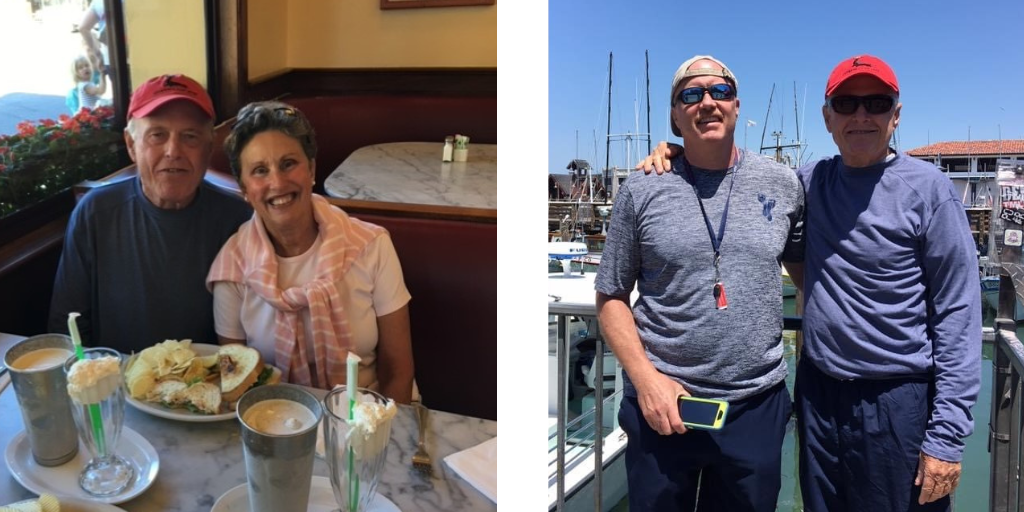
How have you found perseverance in light of obstacles? Please share any stories that have given you strength.
I often wished that Dennis had a treatable/curable tumor cancer instead of blood cancer, which can be difficult to treat. The multiple cancer diagnoses, including two blood cancers, were tough. I thought to myself if there were one more diagnosis, I might jump off a cliff, but you can see that I haven’t. And because Dennis hung in there, so did I.
I actually found that caregiving was my most intimate time with Dennis, a period of my life with him that I truly cherished. We were together for nearly 40 years, and fighting cancer together only made our love for each other grow stronger.
We quickly learned to shift our focus from what we could do rather than focus on what we could not do. We shared some of the best times in our life during our cancer years, doing the simple things—whether it was sitting on a park bench watching the world turn while holding hands or so many others activities, including the simple joys of birdwatching, eating ice cream, cycling around the block, and even traveling some too. We would spend days in the clinic going through photos, playing backgammon, eating pastries, watching old movies, cheering the Warriors, and getting to know the nurses we were seeing on a very regular basis. We made the best of the limited time that we had together.
Also, the quality time that we did have was a result of treatments that were available to Dennis, which is why it’s so important to support the MMRF.
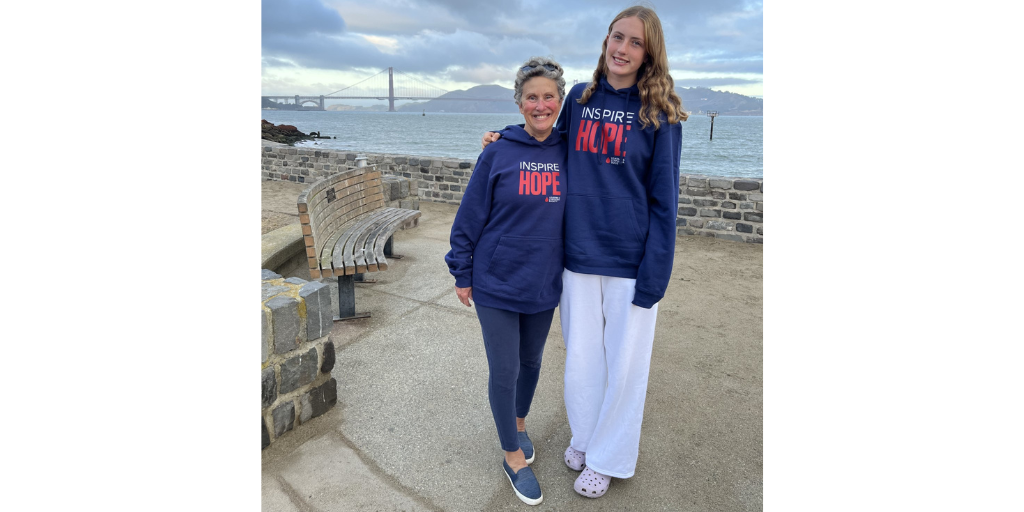
Do you have a favorite mantra, quote, or lyric that gives you strength?
You could often hear Dennis and I say, “It is what it is, so let’s make the most out of life.” And that old saying, “one day at a time,” also helped us to keep our focus on what was important rather than fretting too much on all the realities of cancer that we were facing. Often, we would refer to the “bag of tricks” when we thought that there was nothing more available, but Dennis’s doctors would find something to keep Dennis going, thanks to the MMRF.
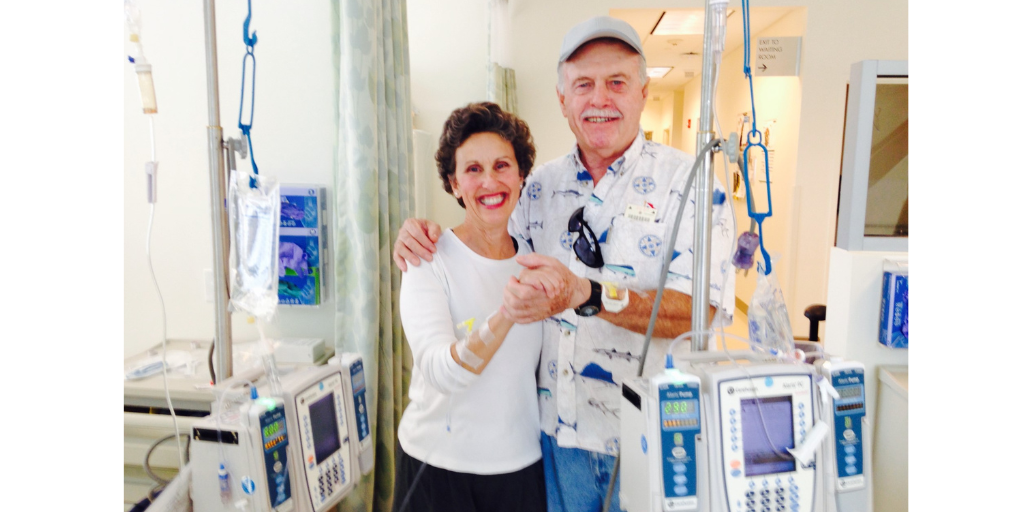
The MMRF is delighted to recognize MaryLee Millard as the MMRF Spirit of Hope Honoree at the 2024 MMRF Team for Cures: San Francisco Walk/Run. Donate to her team “Spirit of Hope” team to accelerate a cure!
This award is presented at every Walk/Run to a patient, caregiver, or family who inspires hope through their resilience, perseverance, and dedication to the MMRF and its mission.
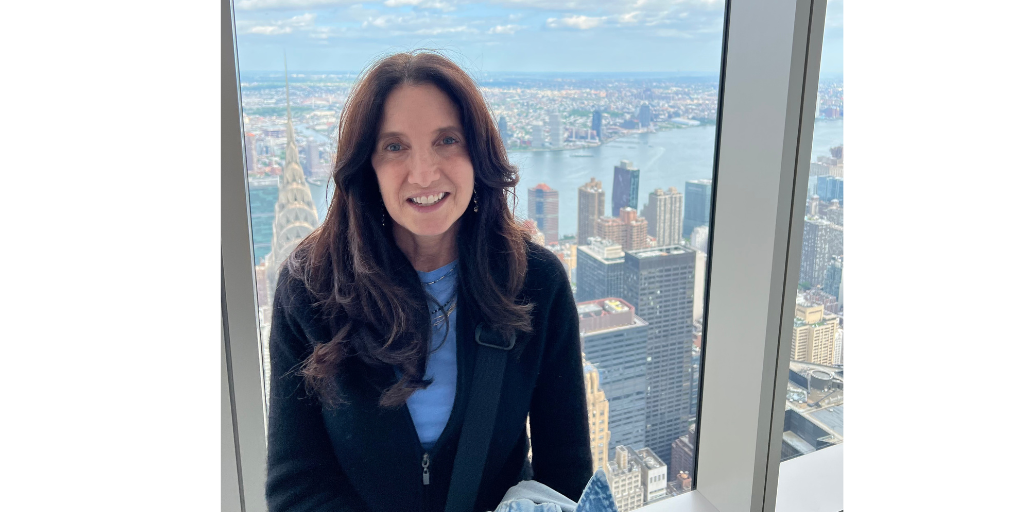
How did you get involved with the MMRF?
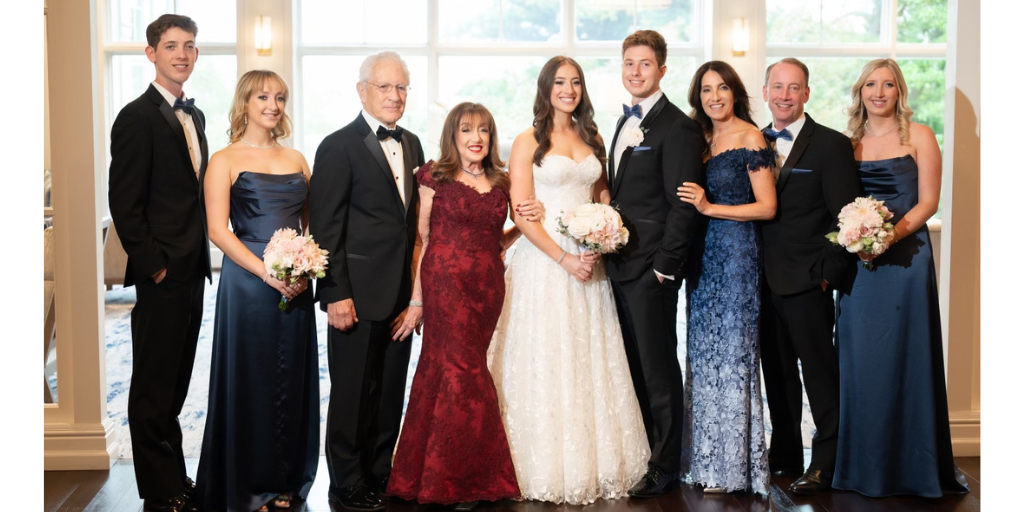
On April 26, 2017, I was diagnosed with multiple myeloma. After an initial round of treatment, I had a stem cell transplant and have been on Darzalex ever since. I am lucky and grateful to be MRD negative and to have access to the best myeloma specialists and drugs. Since being diagnosed, I have had seven more birthdays, enjoyed my summers, played tons of canasta, taken family trips to Mexico and romantic trips abroad, and celebrated several high school and college graduations. Jeff and I have celebrated seven more wedding anniversaries—and this year, we mark 30 amazing years. Last year, we celebrated my oldest daughter’s wedding. I am very lucky, and I know I am not alone. I have the most amazing family and friends who not only support me, but they also support a groundbreaking organization that is on the path to curing myeloma, the MMRF.
When I support the MMRF, it’s because I want to see more new drugs approved and I want more people to have access to innovative therapies and MM specialists. In just the last 7 years, many new drugs have been approved to treat MM, and because of that, I have hope no matter what the future brings. I want to live a long and healthy life. And I want that for you and your loved ones, too.
Since I was diagnosed in 2017, the MMRF has made great strides in the fight against cancer. Not only is it on the forefront of developing new drugs, but it also provides access to the latest online information and guidance through the Patient Navigator. And when new information comes out or I get confusing advice, someone is always there to help at the MMRF.
That’s why, with the support of my friends and family—and good people just like you —I’ve been able to raise more than a half a million dollars to support the MMRF. It’s the least I can do for the community that has given me so much.
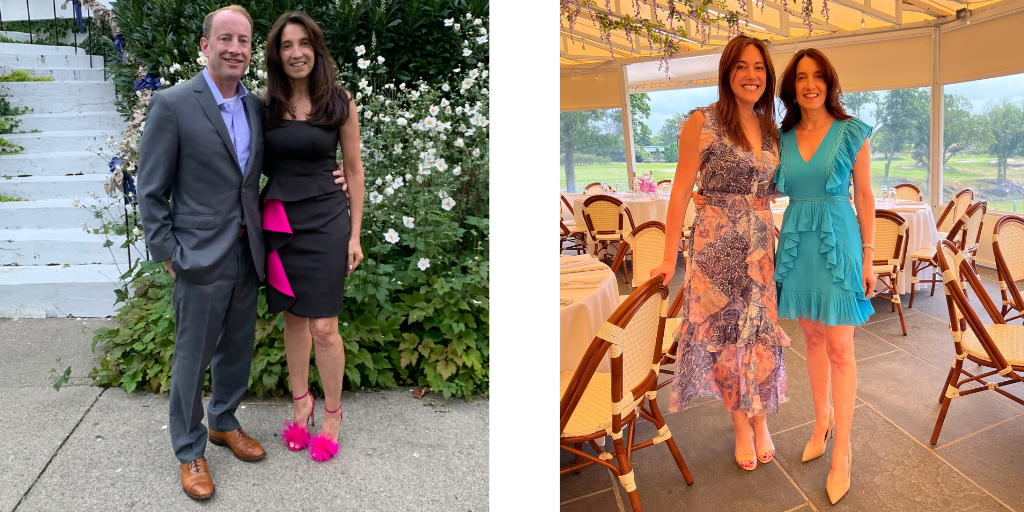
Why did you choose to participate in the MMRF Walk/Run?
In reality, I did not choose to sign up for the MMRF Walk/Run; my friends did. My friends who were by my side when I was diagnosed, the ones who drove me to my infusion treatments, and the ones who stepped up when I was in the hospital for 3 weeks and 100 days at home after the transplant all wanted to do even more. The MMRF Run/Walk was perfect: matching t-shirts, hats and gloves, and a picturesque walk along the Hudson River, the perfect opportunity to raise awareness and money.
The Spirit of Hope is given to “individuals/groups who inspire hope and show extraordinary commitment to the MMRF.” What does being given the award mean to you?
I am grateful for the recognition, but my participation and work with the MMRF has always just seemed like the right thing to do. The commitment comes from MMRF’s mission, at least how I see it: developing new treatments and advancing access to those treatment no matter where you are located or what your financial means are. I am proud to work with this great organization and look forward to continuing to help in any way I can.
How have you found perseverance in light of obstacles? Please share any stories that have given you strength.
Other than the physical obstacles related to treatment, which now just seem routine, the mental shock of this diagnosis and always knowing this disease seems capable of reoccurring at any time, has been the hardest to overcome. However, mentors (and now friends) who have gone through what I am going through have been invaluable. Talking to someone with myeloma can provide critical information, a shoulder to cry on, or just someone with whom to vent. My friend Mary Jane has been my go-to person since almost the beginning, and without her, I don’t believe I would be in this great place I am in now. Because of that, I always make myself available to people newly diagnosed, again, to give advice, listen to them cry, and to provide encouragement that life can still be great, even with myeloma.
Whether you’re battling multiple myeloma yourself, accompanying a loved one on their journey, or caring for patients, I know you understand—this is not an easy road to walk, ever. What gives me hope is that the next dollar I raise or the next dollar I give could be the one that brings about the newest lifesaving drug … or even a cure!
Do you have a favorite mantra, quote, lyric that gives you strength?
You never know what worse luck your bad luck has saved you from.
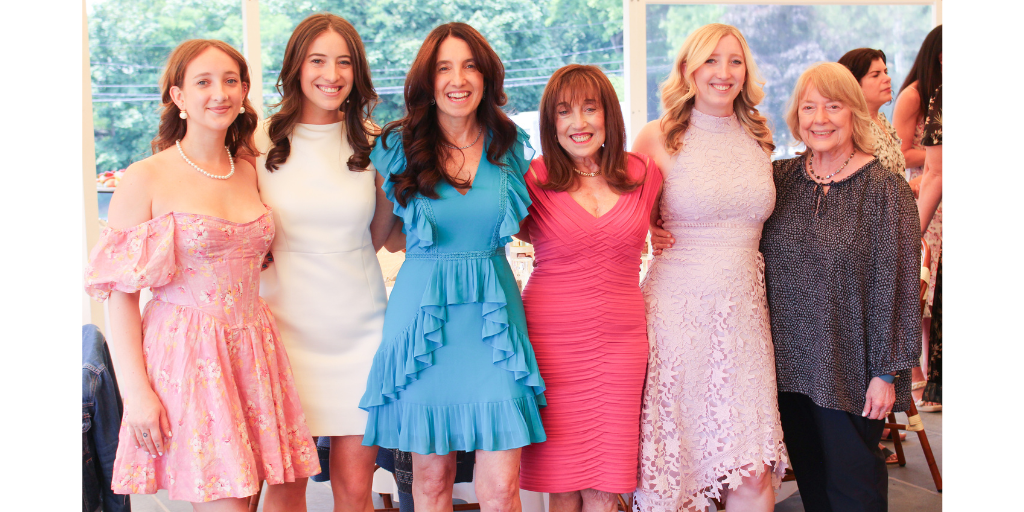
Anything to add?
I’ve been incredibly fortunate. I’m on maintenance therapy now, following a stem-cell transplant not long after my diagnosis. Each new drug that comes out could add years to my life and the life of someone like you or someone you love.
The MMRF is delighted to recognize Valerie Malsch as the MMRF Spirit of Hope Honoree at the 2024 MMRF Team for Cures: New York Walk/Run. Donate to her fundraising page to accelerate a cure today!
This award is presented at every Walk/Run to a patient, caregiver, or family who inspires hope through their resilience, perseverance, and dedication to the MMRF and its mission.
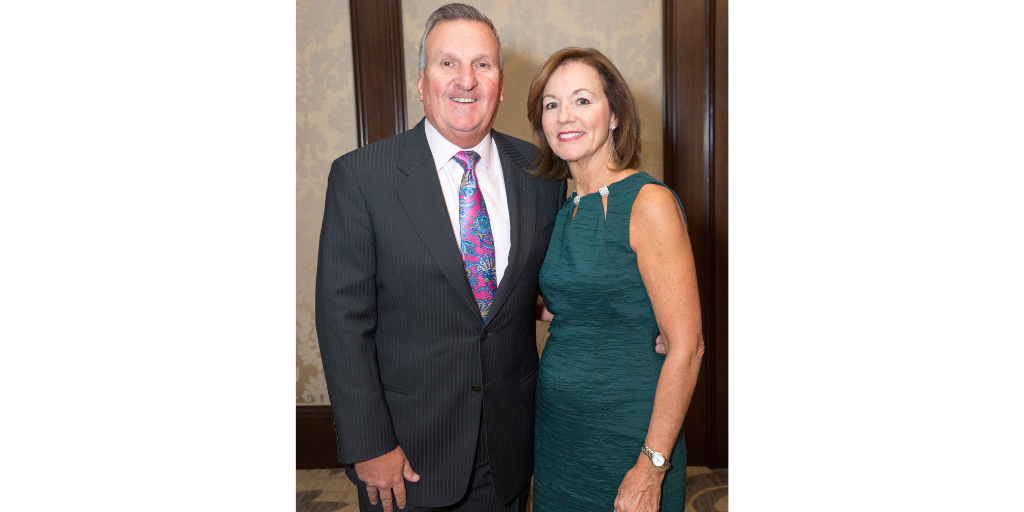
How did you get involved with the MMRF?
My journey began 17 years ago. I remember it like it was yesterday. I was on a ski trip in Vail; it was my first day of skiing, and I was experiencing excruciating back pain. I did something I would have never even considered; I changed my flight and headed home early. Throughout that summer my golf game declined, and I felt pain with every swing. Come December, the pain was so severe that I ended up on the floor in a fetal position several times. At that time, multiple myeloma did not have the exposure in the medical community that it does today. While the doctors tried to find the cause of my pain, MRI, CAT, and PET scans all showed no evidence of cancer. Four months later, after numerous tests and a loss of two inches of height, a simple 24-hour urine test showed I had elevated protein levels. A bone marrow biopsy confirmed a diagnosis of myeloma.
I took an unusual route to find a course of action. Through a friend, I found a financial analyst who covered the oncology market for myeloma, the doctors involved, and their success rates. With that list, I conferred with a friend who was the CEO of the local hospital and sought his opinion. At the time, I had never heard of the MMRF.
I started chemotherapy at CDH within two weeks of being diagnosed. After 24 IV’s, high-dose chemotherapy, and an outpatient stem cell transplant at Loyola, I stand here today 12 years later in total remission. I have not taken any drugs since that stem cell transplant. Thanks to the MMRF’s efforts, if needed, I now have many options to choose from.
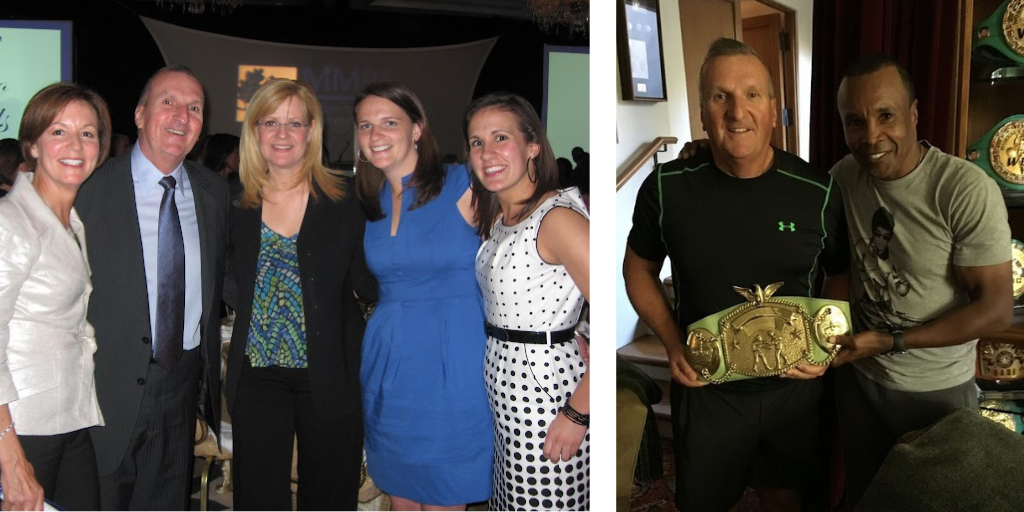
Why did you choose to participate in the MMRF Walk/Run?
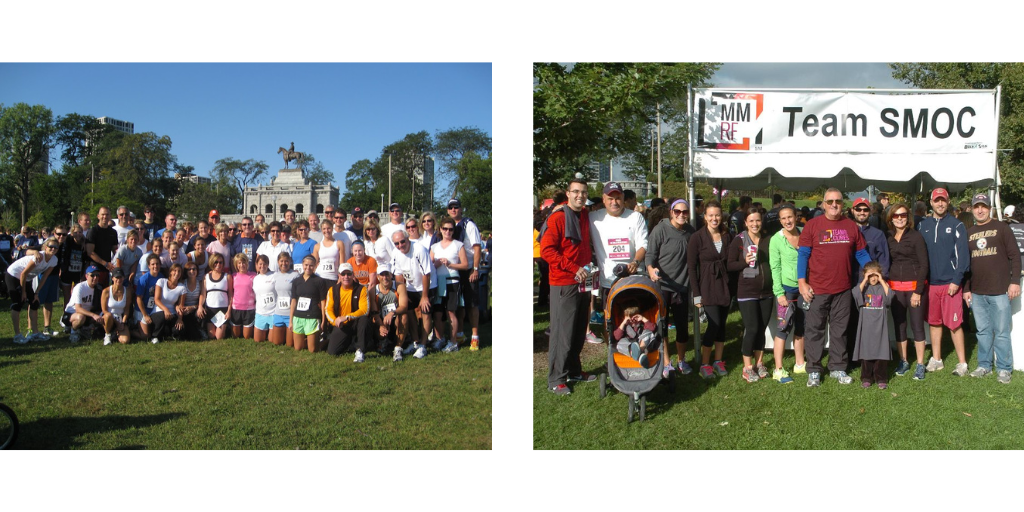
I first found out about the MMRF during the summer of my chemotherapy through my nephew, who suggested we participate in the Chicago 5K. We immediately enrolled in the fall race, which was run just before my stem cell transplant. At that race, we had over 120 participants and raised over $35,000. This year will be our 16th race.
How have you found perseverance in light of obstacles? Please share any stories that have given you strength.
Finding out you have a non-curable cancer is life changing. There were several things that I found extremely helpful in getting through my difficult journey.
1. My faith. I know I wouldn’t be here if it wasn’t for the power of prayer and the healing power of Jesus Christ. I was on the prayer list at my home church, a neighborhood bible study group, a Jewish synagogue in Cleveland, cloistered nuns in Detroit, and a Czech missionary in Prague.
2. A positive mental attitude—I always believed I would win this battle.
3. A sense of humor—laughing helps.
4. A network of friends to rely on. During the chemo, I had one friend who took me to lunch every week and, near the end of treatment, even cut my food because I couldn’t hold a knife due to neuropathy.
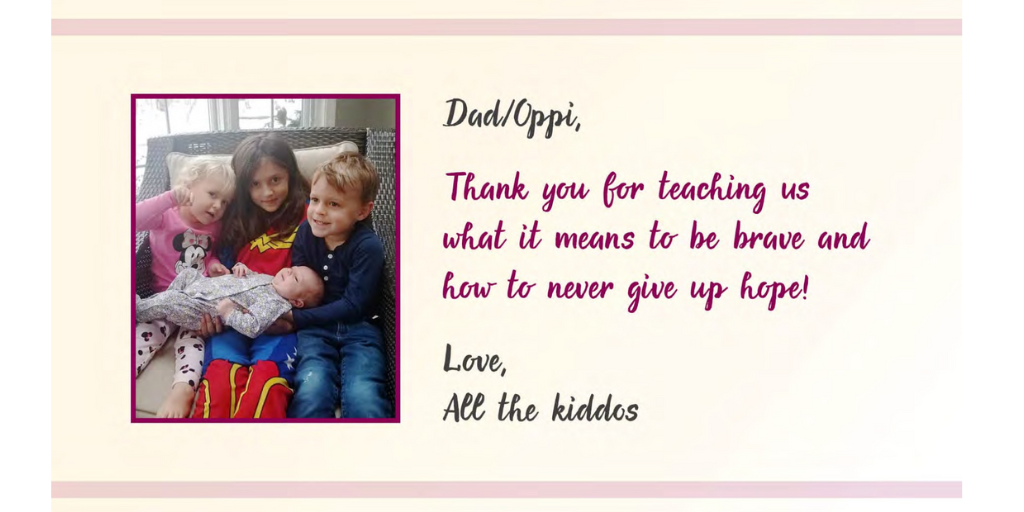
5. And last, but should have been first, my family, including my loving wife, Sandy; three children; two son-in-law; and now eight grandchildren.
Anything to add?
I’d like to thank my doctor, Jon Aagaard, who is always available to cure what ails me, and my oncologist, Dr. Pat Stiff at Loyola, who gave me a stem cell transplant that keeps on giving.
I feel extremely grateful to the MMRF and can’t imagine this journey without its support. It is an absolute joy to share the successes of the MMRF and its programs with new patients. I am extremely hopeful and trust that a cure is on the way.
Thank you very much to the MMRF for this wonderful award. On behalf of all my fellow myeloma patients, thank you for the tremendous work you continue to do in cancer research and the development of life-saving solutions. To all my friends and supporters, we are forever grateful for your never-ending commitment to the MMRF.
The MMRF is delighted to recognize Tom Mihelcic as the MMRF Spirit of Hope Honoree at the 2024 MMRF Team for Cures: Chicago Walk/Run.
This award is presented at every Walk/Run to a patient, caregiver, or family who inspires hope through their resilience, perseverance, and dedication to the MMRF and its mission.
Several oral presentations at this year’s American Society of Hematology (ASH) Annual Meeting & Exposition highlighted encouraging outcomes in the treatment of smoldering multiple myeloma (SMM), newly diagnosed MM (NDMM), and relapsed/refractory MM (RRMM). Presentations included updated data on bispecific antibodies (bsAbs) and chimeric antigen receptor T (CAR T)–cell therapy, as well as several novel agents in development.
CAR T-Cell Therapy
Updates to KarMMa-3 and CARTITUDE-2: CAR T Use in Earlier Lines of Therapy
Recent advancements in the treatment of RRMM have been highlighted in updates from two large CAR T-cell therapy trials: KarMMa-3 and CARTITUDE-2. The KarMMa-3 trial demonstrated the efficacy of idecabtagene vicleucel (ide-cel) in RRMM patients who received 2–4 prior regimens. With 386 patients randomized to receive either ide-cel or standard regimens, ide-cel demonstrated a median progression-free survival (PFS) of 13.8 months and a 51% reduction in the risk of disease progression or death, compared to 4.4 months in the control group. At 18 months, PFS rates were 41% for the ide-cel group versus 19% for standard treatments. The complete response (CR) rate was 44% in the ide-cel arm, with 22% of patients achieving both ≥CR and minimal residual disease (MRD) negativity. The findings indicate an improved response, as well as a longer median time to the next treatment and second PFS, suggesting sustained remission. There were no reported cases of Parkinsonism or Guillain–Barré syndrome.
Additional results from KarMMa-3 reported health-related quality of life (HRQoL) data. Patients receiving ide-cel demonstrated significant benefits in 18 out of 21 HRQoL domains and experienced quicker times to confirmed improvements and prolonged times to deterioration of symptoms, indicating not just clinical but also functional and well-being advantages.
Long-term data on ciltacabtagene autoleucel (cilta-cel) from the CARTITUDE-2 trial, with nearly 29 months of follow-up, showed that all MRD-evaluable patients in cohort A (1–3 prior lines of therapy and lenalidomide-refractory MM) achieved MRD negativity, with 40% maintaining MRD negativity for over 6 months. The overall response rate (ORR) was 95%, with a 24-month PFS and overall survival (OS) rates of 75%. Cohort B, which included patients with early relapse after first-line treatment, showed that 93% reached MRD negativity and an OS rate of 84%. These results suggest that cilta-cel can induce deep and durable responses even in high-risk groups with early relapse.
Wearable Devices for CAR T Therapy Monitoring
Findings regarding a wearable device for early cytokine release syndrome (CRS) detection in patients being treated with CAR T-cell therapy were presented. This study showed that the wearable device was superior for monitoring CRS compared with traditional methods. The device, which tracks vital signs such as temperature and heart rate, detected CRS events about 103 minutes earlier than standard care. The study also personalized CRS detection by adjusting temperature thresholds according to each patient’s baseline, leading to even earlier CRS identification. Of note, the device could also detect subclinical CRS events.
Bispecific Antibodies
Navigating Infection Risks With bsAbs
A study evaluated the incidence and characteristics of infections in patients treated with B-cell maturation antigen (BCMA)–targeted (teclistamab or elranatamab) and G protein–coupled receptor, class C, group 5, member D (GPRC5D)-targeted (talquetamab) bsAbs. The study included 229 patients across 13 tertiary centers and showed that infections requiring treatment, hospitalization, or treatment delays occurred in a significant portion of the cohort—62%. Notably, infections were more prevalent and severe among those receiving anti-BCMA therapies, with all grade ≥4 events occurring in this subgroup. Infections predominantly affected the pulmonary tract and presented as disseminated infections. Among these, bacterial infections were most common, followed by viral and fungal pathogens. Complications such as invasive pulmonary aspergillosis and progressive multifocal leukoencephalopathy were also reported. The hospitalization rate was 57%, and nearly half of the infectious events affected treatment administration. Of note, the study found that patients treated with anti-GPRC5D bsAbs had a lower risk of first infection compared to the anti-BCMA group, suggesting differential immunosuppressive profiles between these therapies. According to the researchers, dosing interval strategies and prophylaxis appear “necessary and effective” for improving morbidity and mortality rates with these agents.
Talquetamab Studies
An analysis from the MonumenTAL-1 trial suggested a benefit for reduced or less-frequent dosing of talquetamab in RRMM patients who achieved partial response (PR) or better, which may help mitigate treatment-emergent adverse events (TEAEs). Results from an analysis of 45 patients who switched to lower-intensity dosing showed that most patients achieved a deepened or maintained response after dose adjustment, with 88.9% sustaining their response 6 months post-switch. Importantly, GPRC5D-associated TEAEs, including oral, nail, and skin-related issues, improved or resolved over time for some patients in the adjusted-dosing cohorts. The authors suggest that “further analyses on the impact of reduced or less frequent talquetamab dosing on clinical outcomes are warranted.”
Another talquetamab study, the phase 1b MonumenTAL-2 study, indicates encouraging results with this agent in combination with pomalidomide. The study included 35 RRMM patients over a median follow-up of 7–11 months. Results indicated a high ORR in both weekly and biweekly dosing cohorts, with deep responses including CRs and very good partial response. In addition, the most common AEs were dysgeusia, CRS, and neutropenia, none of which led to significant treatment discontinuations.
MRD Negativity and Prognostic Value for RRMM Treated With CAR T and T-Cell Engagers (TCEs)
Evaluating prognostic utility of MRD in RRMM patients treated with either CAR T-cell therapy or TCEs, researchers found that sustained MRD negativity was associated with significantly improved survival outcomes. The study involved 269 RRMM patients, 125 treated with CAR T-cell therapy and 144 with TCEs. Out of 509 MRD assessments, patients achieving MRD negativity had a median PFS of 20 months compared to just 3 months in MRD-positive patients. OS was also substantially improved in MRD-negative patients. Notably, MRD negativity rates were higher in patients treated with CAR T-cell therapy compared to TCEs, though the impact of MRD negativity was similar for both CAR T and TCE. In addition, MRD status proved to be an independent prognostic factor for PFS and OS, irrespective of other clinical features, highlighting the importance of MRD negativity as a treatment end point.
Earlier Phase Studies With Novel Agents
Bcl-2 Inhibitors
Results from a phase 1/2 study highlighted the efficacy of venetoclax (Ven) in combination with daratumumab (D) and dexamethasone (d) in treating patients with t(11;14)-positive RRMM. Initial data showed a 96% ORR, with 67% of patients achieving CR or better. In addition, the combination therapy demonstrated a MRD negativity of 38%, compared to 8% with DVd. Notably, MRD negativity was more durable in the venetoclax group, with some patients maintaining this status for over 12 months.
The combination of sonrotoclax, a BCL2 inhibitor, and dexamethasone showed promising safety and efficacy in RRMM patients with t(11;14). The most common AEs with this combination were insomnia, fatigue, nausea, and arthralgia, none of which were severe. The ORR was 58%, including CRs and VGPRs. At time of data cutoff, 9 patients remained on treatment with the longest duration of response being 483 days (20 cycles). A dose of 640 mg daily in combination with dexamethasone has been recommended for the phase 2 dose.
New CAR T Cells in RRMM
The phase 2 FUMANBA-1 study evaluating equecabtagene autoleucel (eque-cel, CT103A) in adult RRMM patients after ≥3 prior lines of therapy showed that sustained MRD negativity correlated with improved PFS. Out of 88 patients who achieved MRD negativity, 74 had a follow-up of at least 6 months without progression, and 43 had a follow-up of at least 12 months. Sustained MRD negativity was observed in 78.4% of the patients at 6 months and 74.4% at 12 months. Patients with sustained MRD negativity demonstrated longer PFS than those who did not sustain MRD negativity beyond 6 months. Patients with lower baseline tumor burden and less prior triple-class exposure were more likely to achieve sustained MRD negativity. High-risk cytogenetics, extramedullary disease, performance status, and the number of prior lines of therapy did not differ significantly across MRD subgroups and were comparable to the overall study population.
A phase 1 study evaluated BMS-986393 (CC-95266), a GPRC5D-targeted CAR T-cell therapy, in 70 patients who had received ≥3 prior treatment regimens, including BCMA-directed and CAR T-cell therapies. At a median follow-up of 5.9 months, the ORR was 86% with a CR rate of 38%. In patients refractory to prior BCMA-directed therapies, the ORR was 85% and the CR rate was 46%. TEAEs were mostly hematologic in nature, with 84% of patients experiencing CRS, which was mostly low-grade. Neurotoxicity was observed, with some dose-related events, but were typically reversible. Further research is under way to define the recommended phase 2 dose.
GC012F, a dual-targeting BCMA and CD19 CAR T-cell therapy, has shown efficacy and tolerability in transplant-eligible patients with high-risk NDMM. The phase 1 study, which used the FasTCAR-T platform implementing next-day manufacturing of CAR-T cells, included 22 evaluable patients with high-risk features. The results demonstrated a 100% ORR with a stringent CR rate of 95.5%. Of note, all patients achieved MRD negativity at a sensitivity of 10-6, with sustained MRD negativity at 6 and 12 months. The median duration of response (DOR) and PFS were not reached. Of the patients, 27% experienced low-grade CRS, with no reports of high-grade CRS and no reports of immune effector cell-associated neurotoxicity syndrome (ICANS) or treatment-related deaths.
One-year follow-up from a phase 1 study shows encouraging results with CART-ddBCMA, an autologous CAR-T therapy targeting BCMA with a unique synthetic binding domain. RRMM patients who had received ≥3 prior therapies were treated with a single infusion of CART-ddBCMA following lymphodepletion. As of June 2023, 40 patients with a median age of 66 years were enrolled, and 38 received CART-ddBCMA. The study reported a 100% ORR, with 76% achieving CR or better. Of note, 86% of evaluable patients reached MRD negativity. Of the patients, 95% had CRS, nearly all of which were grade 2 or lower (1 had grade 3 CRS); ICANS was reported in 18% of patients, mostly grade 2 or lower. Median DOR, PFS, and OS were not reached, and the estimated 18-month PFS rate was 67%.
Use of a fractionated initial therapy and booster dose of ARI0002h, a CAR-T cell therapy consisting of a humanized single-chain variable fragment directed at BCMA, showed activity and safety in 60 RRMM patients. Among 60 patients receiving ARI0002h, the ORR in the first 3 months was 95%, with 77% achieving ≥VGPR. MRD-negativity rates on evaluable samples were 98% on day 28 and 96% on day 100. At a median follow-up of 23.1 months, the estimated median PFS was 15.8 months, with no differences based on high-risk cytogenetics or triple-refractoriness. CRS was observed in 90% of patients, with 5% experiencing grades ≥3. ICANS was mild and was reported in 2 patients. A total of 44 out of 55 eligible patients received a booster dose, resulting in 19 patients maintaining stringent CR and 11 improving their response. Median CAR T-cell persistence in peripheral blood was 5 months, with 65% and 52% having measurable CAR T cells at 3 and 6 months, respectively. The authors note that the “booster dose may be partially responsible for the improvement of responses over time and exhaustion may play a role in relapse.”
Mezigdomide in RRMM
Results from the phase 1/2 CC-92480-MM-002 trial indicate potential efficacy for mezigdomide (MEZI), a novel oral cereblon E3 ligase modulator. The study evaluated MEZI in combination with dexamethasone (d) and either daratumumab (D) or elotuzumab (E) in patients who had undergone 2–4 previous lines of therapy. In the MeziDd cohort, the ORR was 75%, with a significant portion achieving stringent CRs, CRs, and VGPRs. Similarly, the MeziEd cohort demonstrated good tolerability and promising response rates, especially in patients who had previously received anti-CD38 monoclonal antibody therapy. According to the researchers, these “results support further evaluation of MEZI plus antimyeloma mAbs in phase 1/2 and phase 3 studies.”
HPN217 in RRMM
HPN217, a BCMA-targeting trispecific T-cell engager, was evaluated in a phase 1 dose-escalation study. HPN217 is a small globular protein, designed to “increase the therapeutic window by minimizing off-target toxicities and CRS.” The study included 97 patients, with 94 treated across various dose levels. Participants had received a median of 6 prior lines of treatment, with a significant proportion being exposed to ≥5 drugs and having undergone transplantation. Most TEAEs were manageable, and the maximum tolerated dose was not reached. CRS was predominantly grade 1–2, and responses were observed at doses ≥2.15 mg, with 55% of efficacy-evaluable patients achieving a PR or better. Among patients with a response, 73% (16/22) have had a confirmed response of VGPR or better. The half-life of HPN217 was median 68 hours, indicating sustained presence in the body. The treatment showed linear and dose-proportional pharmacokinetics, with transient cytokine increases higher with the initial dose compared to subsequent dose.
—
Jointly provided by the MMRF and RedMedEd.
This educational activity is supported by educational grants from AbbVie Inc., Bristol Myers Squibb, and GSK and sponsorship from Genzyme Corporation and Legend Biotech USA Inc.