How did you get involved with the MMRF?
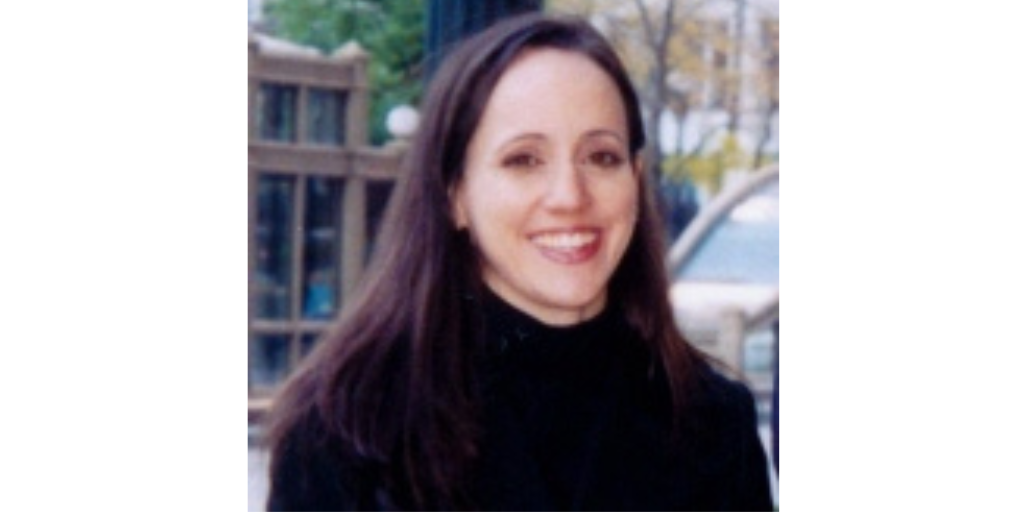
My sister, Christine Serra, was diagnosed with multiple myeloma in September 2007. The next year when I ran the Chicago Marathon, I decided to fundraise for the MMRF and have been continuing to fundraise ever since.
Why did you choose to participate in the MMRF Walk/Run?
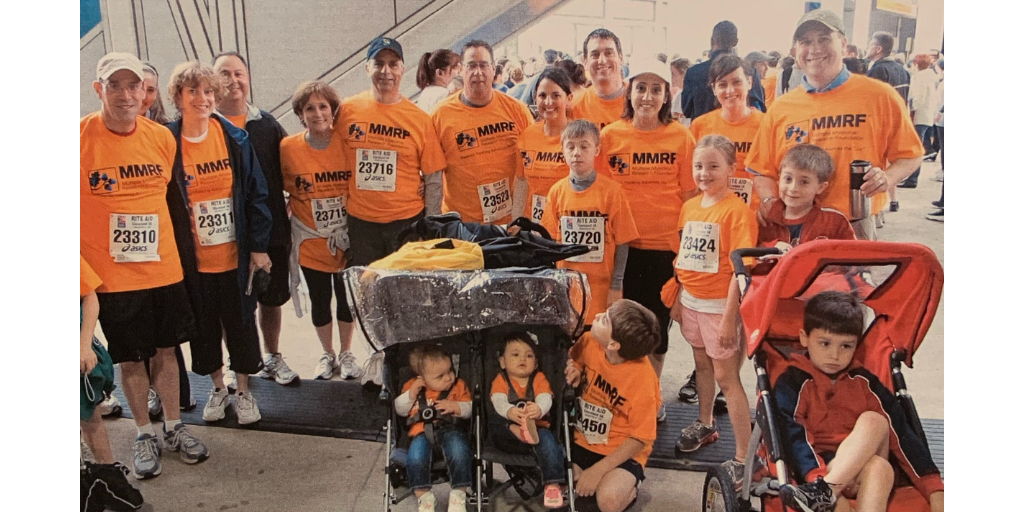
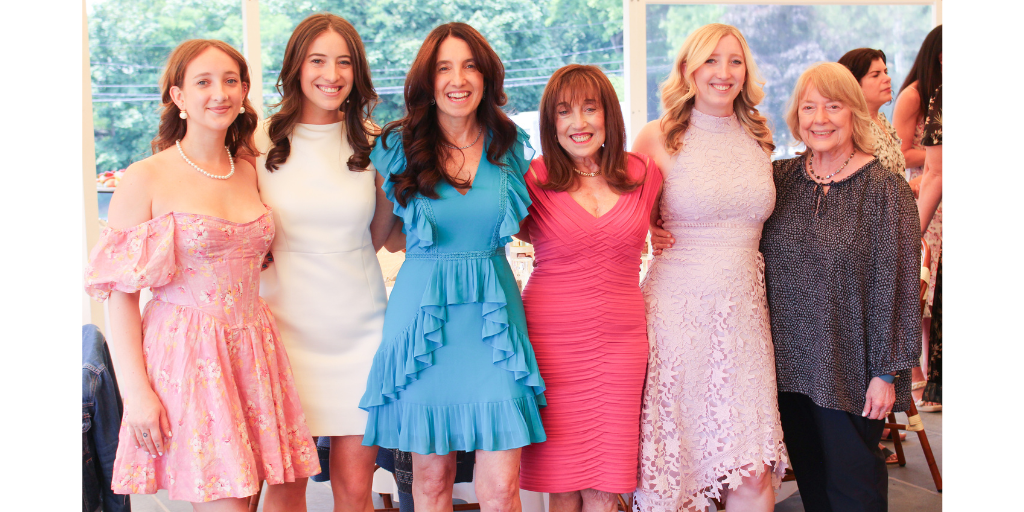
Soon after Christine was diagnosed, we formed Christine’s Crusaders. A large group of friends and family came out year after year to run and walk alongside her while she battled myeloma for six years. The MMRF gives so much of what is fundraised to research. While Christine passed away in 2013, Christine’s Crusaders have continued to fundraise to honor her memory and give hope to others battling the disease.
The Spirit of Hope is given to “individuals/groups who inspire hope and show extraordinary commitment to the MMRF.” What does being given the award mean to you?
Receiving this award means that while Christine is not with us, her spirit lives on. We hope to carry the torch of inspiration. It shows that all our work over the years is giving hope to others.
How have you found perseverance in light of obstacles? Please share any stories that have given you strength.
Christine is the most selfless person I have ever met. The most important thing she gave was her time. She would drop what she was doing to donate her time to a cause, volunteer at her children’s school, or just make time to listen. She was very cognizant that time was a precious gift. I try to live my life like her, making time for others.
The MMRF is delighted to recognize Christine’s Crusaders as the MMRF Spirit of Hope Honoree at the 2024 MMRF Team for Cures: Atlanta Walk/Run.
This award is presented at every Walk/Run to a patient, caregiver, or family who inspires hope through their resilience, perseverance, and dedication to the MMRF and its mission. Donate to Christine’s Crusaders 2024 Walk/Run fundraising page to accelerate a cure today!
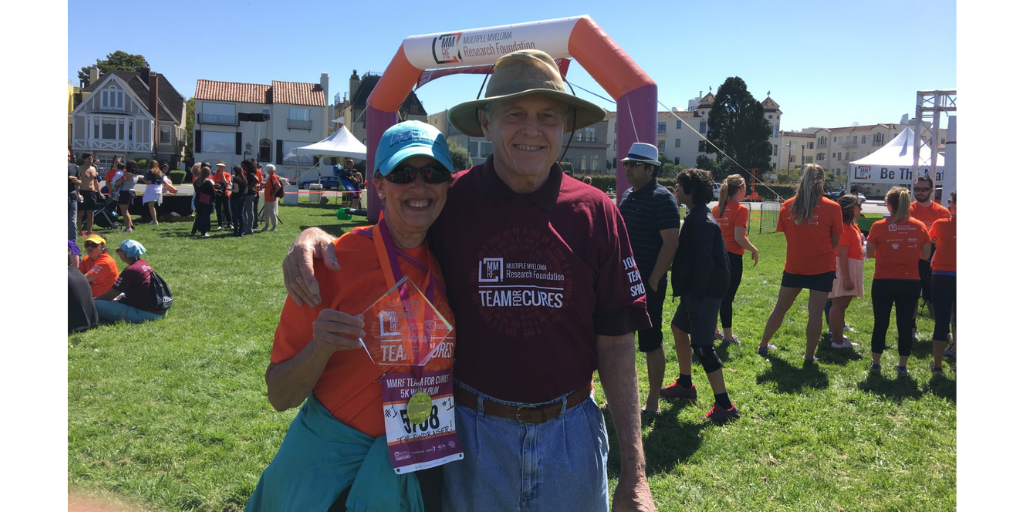
How did you get involved with the MMRF?
Dennis and I didn’t always have cancer. We were in the middle of a sailing circumnavigation, when I first started noticing how fatigued Dennis was getting. I would think that’s how I will feel someday when I get to be Dennis’s age (we were ten years apart in age). And then I noticed that we were both losing weight, but I thought that was from a healthy lifestyle living off the grid. But then I started getting fatigued too, which I attributed to the fact that I was doing more of the sailing and chores because Dennis was so tired and taking more naps.
All the signs of cancer were there for the two of us, but it took a boating accident off a remote island in Northern Australia that prompted us to get medical attention. Because we didn’t have immediate access to good medical care, it took us a little over three months of sailing from Australia via Indonesia up to Singapore to get a proper diagnosis; we were told to go home immediately.
Once home, the doctors officially diagnosed Dennis with multiple myeloma. Because myeloma was my husband’s first cancer diagnosis, we both felt that it was important to support and fundraise for this treatable, but not curable, cancer. Dennis started the tradition as he wanted to do something and felt that this was something that he could do from a hospital bed in the cancer clinic. Our hopes were for a cure and to keep those treatments coming for those patients like Dennis who did not respond to the available treatments. Sadly, Dennis exhausted all the treatments, so it’s important to keep pushing for more treatments until there is a cure.
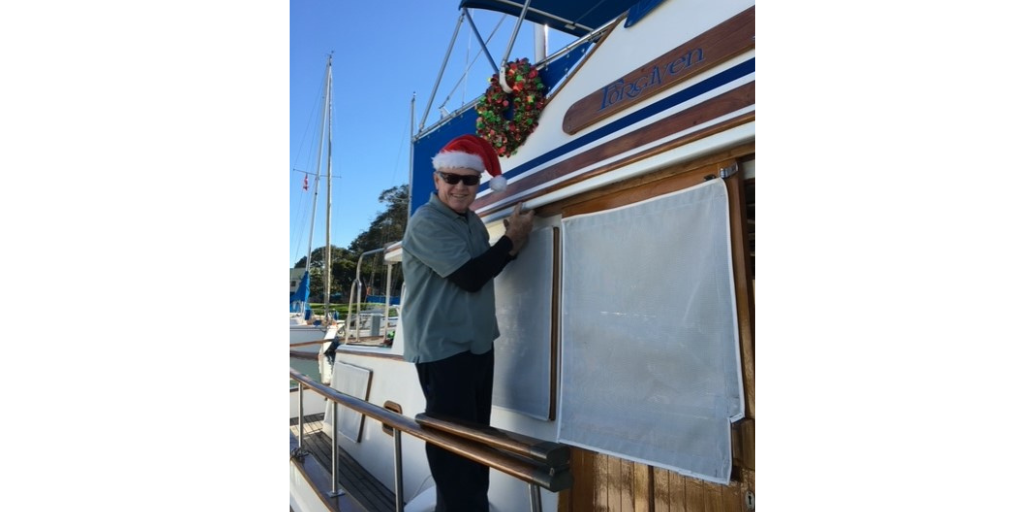
Why did you choose to participate in the MMRF Walk/Run?
MMRF is considered one of the best charitable organizations where your dollar goes the furthest to fund research for a cure; that’s important! It’s a dream of mine to have a world without cancer.
After I finished cancer treatment, Dennis and I started participating in the MMRF walks. He wanted to do something for the fight and realized that he could call family and friends for donations while getting chemo and blood/platelet infusions. While Dennis was in the early stages of his cancer, he was able to participate in the walks. Dennis was getting treatment at UCSF and we felt that it was important to support both MMRF and UCSF. We also have three neighbors (Bob, Alan, and Robin) fighting myeloma; plus, I lost a high school classmate (Gary) to myeloma, so the MMRF mission is near and dear to our hearts.
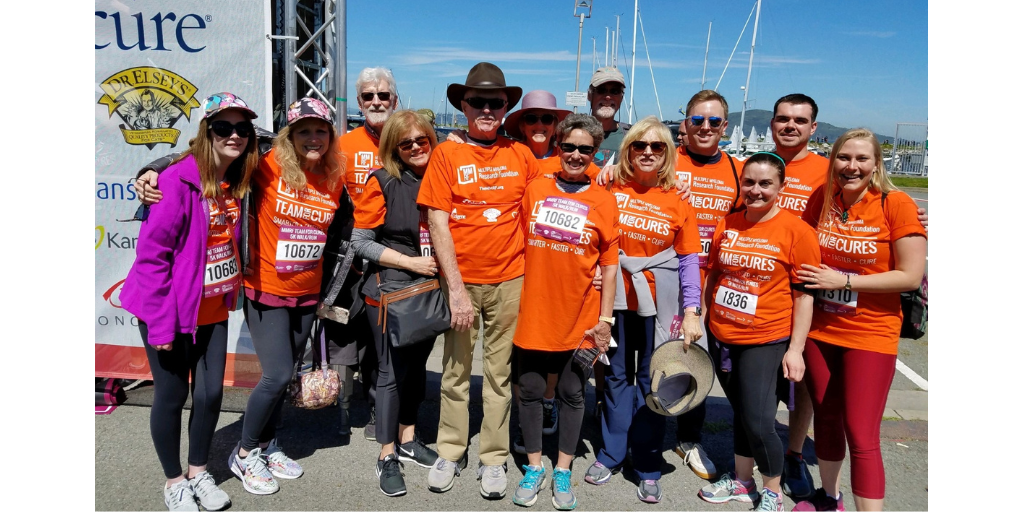
The Spirit of Hope is given to “individuals/groups who inspire hope and show extraordinary commitment to the MMRF.” What does being given the award mean to you?
I am a grateful cancer survivor but have sadly lost many of my family members to cancer. This includes my husband Dennis Millard (total of four cancers: two blood cancers multiple myeloma and acute myeloid leukemia; head and neck cancer; and skin melanoma); my sister Teri Bent, my brother-in-law Mike Millard; my niece Heidi Chamberlain, my daughter-in-law Theresa (the mother of my three grandchildren, Brenton, Alex, and Maddie); my Aunt Pat; and many others. They are why this is a very meaningful honor. There is also an alarming rise of cancer amongst young people, including my niece Claire Bent, who was diagnosed with colon cancer at only 34 years old with a young baby not even six months old. I am grateful that I was cured but truly feel that I must carry the torch for those who have not been so fortunate. Every time there is a survivor, I jump for joy. I was deeply touched when I received this honor because volunteering/fundraising is how I channel my grief. It gives me hope for a cure and encourages me to continue volunteering. Thank you to the MMRF!
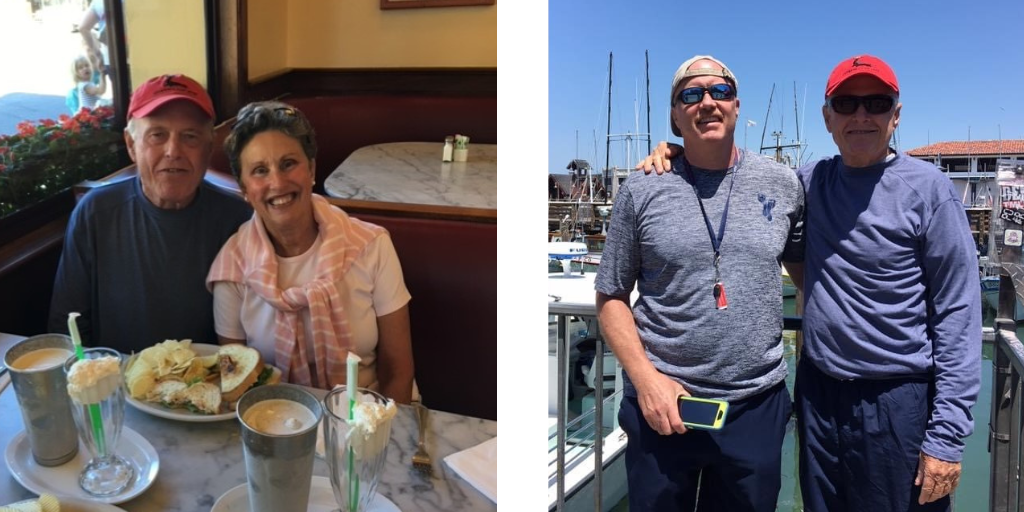
How have you found perseverance in light of obstacles? Please share any stories that have given you strength.
I often wished that Dennis had a treatable/curable tumor cancer instead of blood cancer, which can be difficult to treat. The multiple cancer diagnoses, including two blood cancers, were tough. I thought to myself if there were one more diagnosis, I might jump off a cliff, but you can see that I haven’t. And because Dennis hung in there, so did I.
I actually found that caregiving was my most intimate time with Dennis, a period of my life with him that I truly cherished. We were together for nearly 40 years, and fighting cancer together only made our love for each other grow stronger.
We quickly learned to shift our focus from what we could do rather than focus on what we could not do. We shared some of the best times in our life during our cancer years, doing the simple things—whether it was sitting on a park bench watching the world turn while holding hands or so many others activities, including the simple joys of birdwatching, eating ice cream, cycling around the block, and even traveling some too. We would spend days in the clinic going through photos, playing backgammon, eating pastries, watching old movies, cheering the Warriors, and getting to know the nurses we were seeing on a very regular basis. We made the best of the limited time that we had together.
Also, the quality time that we did have was a result of treatments that were available to Dennis, which is why it’s so important to support the MMRF.
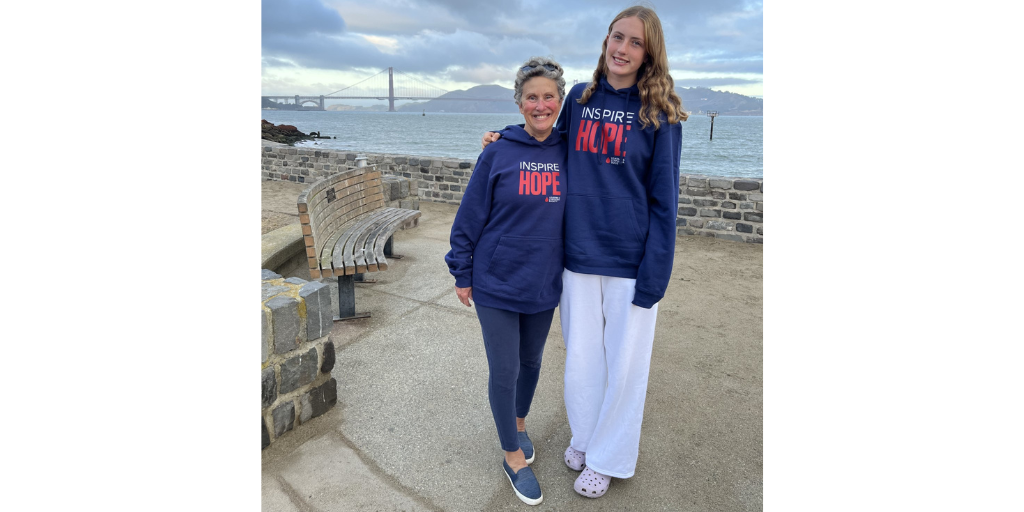
Do you have a favorite mantra, quote, or lyric that gives you strength?
You could often hear Dennis and I say, “It is what it is, so let’s make the most out of life.” And that old saying, “one day at a time,” also helped us to keep our focus on what was important rather than fretting too much on all the realities of cancer that we were facing. Often, we would refer to the “bag of tricks” when we thought that there was nothing more available, but Dennis’s doctors would find something to keep Dennis going, thanks to the MMRF.
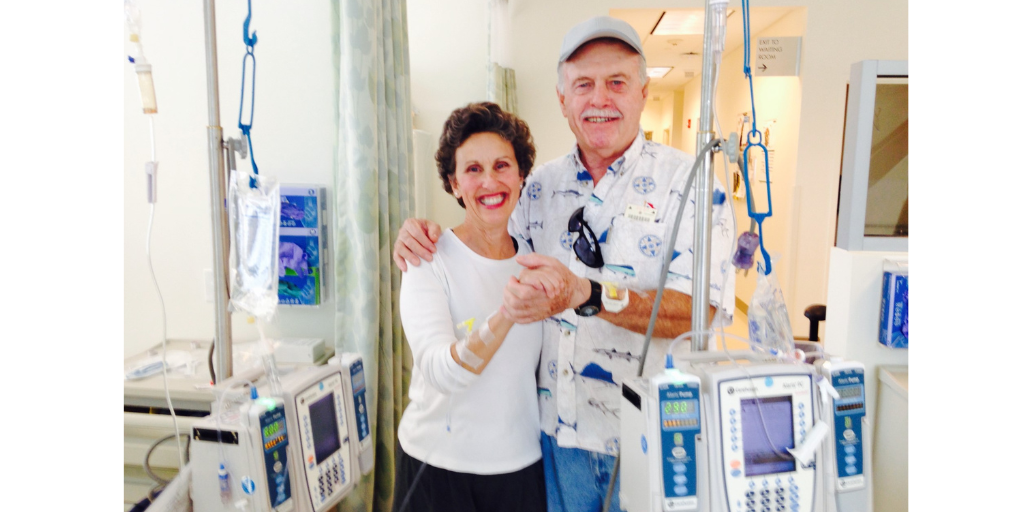
The MMRF is delighted to recognize MaryLee Millard as the MMRF Spirit of Hope Honoree at the 2024 MMRF Team for Cures: San Francisco Walk/Run. Donate to her team “Spirit of Hope” team to accelerate a cure!
This award is presented at every Walk/Run to a patient, caregiver, or family who inspires hope through their resilience, perseverance, and dedication to the MMRF and its mission.
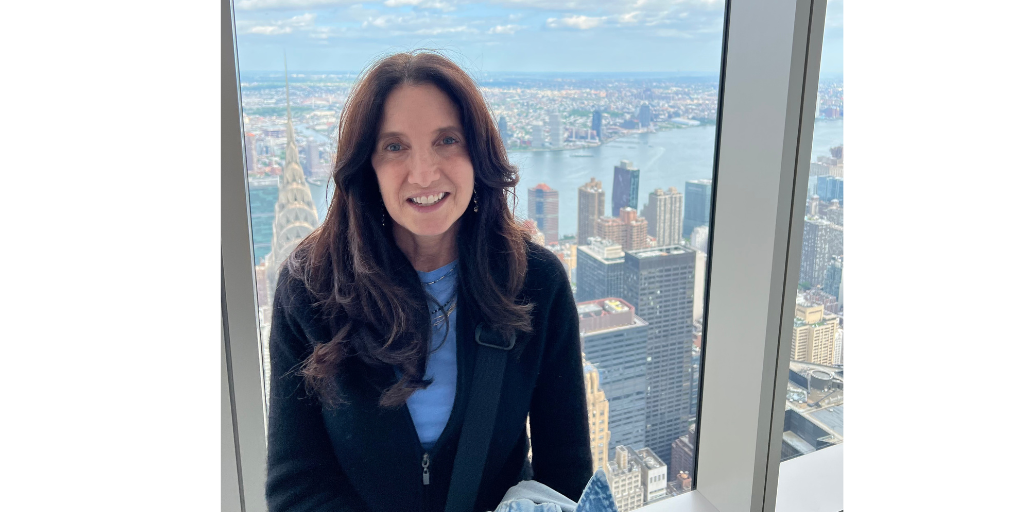
How did you get involved with the MMRF?
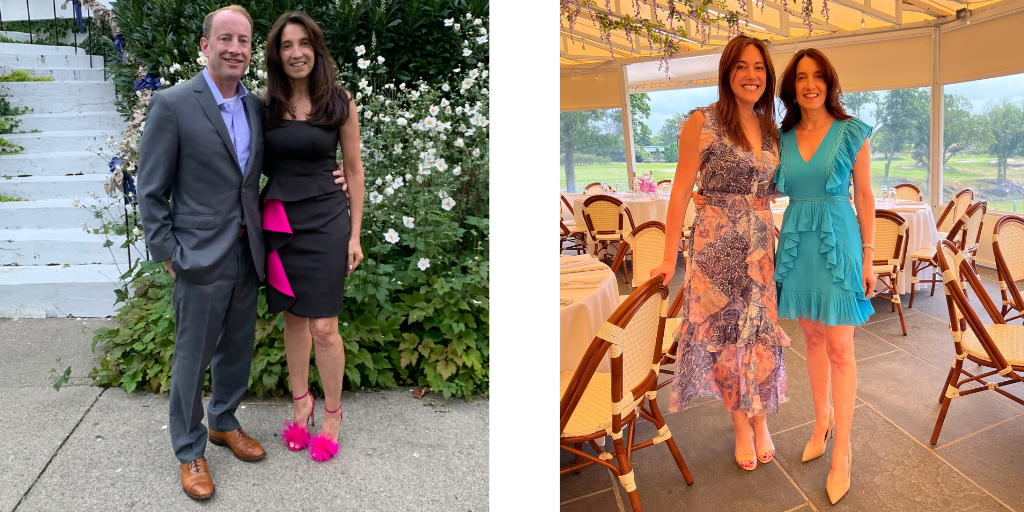
On April 26, 2017, I was diagnosed with multiple myeloma. After an initial round of treatment, I had a stem cell transplant and have been on Darzalex ever since. I am lucky and grateful to be MRD negative and to have access to the best myeloma specialists and drugs. Since being diagnosed, I have had seven more birthdays, enjoyed my summers, played tons of canasta, taken family trips to Mexico and romantic trips abroad, and celebrated several high school and college graduations. Jeff and I have celebrated seven more wedding anniversaries—and this year, we mark 30 amazing years. Last year, we celebrated my oldest daughter’s wedding. I am very lucky, and I know I am not alone. I have the most amazing family and friends who not only support me, but they also support a groundbreaking organization that is on the path to curing myeloma, the MMRF.
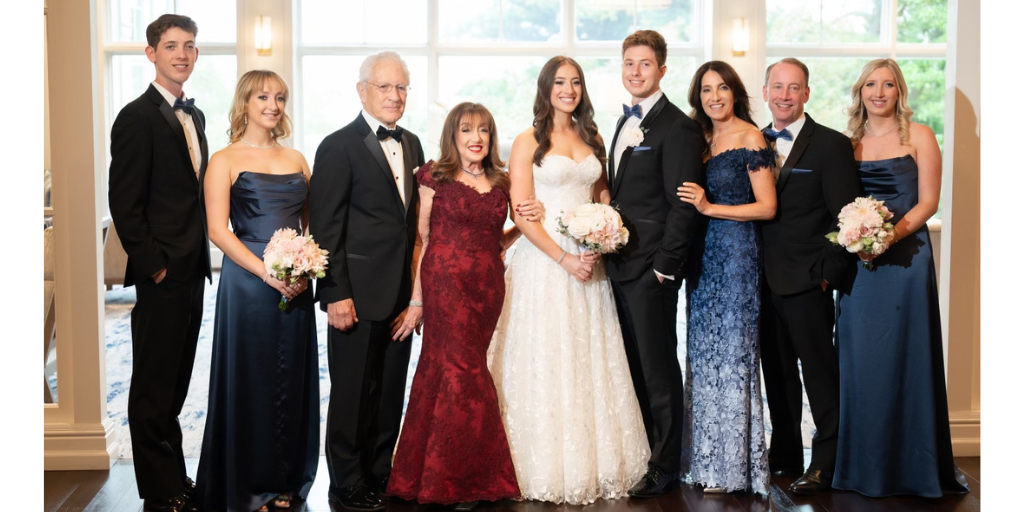
When I support the MMRF, it’s because I want to see more new drugs approved and I want more people to have access to innovative therapies and MM specialists. In just the last 7 years, many new drugs have been approved to treat MM, and because of that, I have hope no matter what the future brings. I want to live a long and healthy life. And I want that for you and your loved ones, too.
Since I was diagnosed in 2017, the MMRF has made great strides in the fight against cancer. Not only is it on the forefront of developing new drugs, but it also provides access to the latest online information and guidance through the Patient Navigator. And when new information comes out or I get confusing advice, someone is always there to help at the MMRF.
That’s why, with the support of my friends and family—and good people just like you —I’ve been able to raise more than a half a million dollars to support the MMRF. It’s the least I can do for the community that has given me so much.
Why did you choose to participate in the MMRF Walk/Run?
In reality, I did not choose to sign up for the MMRF Walk/Run; my friends did. My friends who were by my side when I was diagnosed, the ones who drove me to my infusion treatments, and the ones who stepped up when I was in the hospital for 3 weeks and 100 days at home after the transplant all wanted to do even more. The MMRF Run/Walk was perfect: matching t-shirts, hats and gloves, and a picturesque walk along the Hudson River, the perfect opportunity to raise awareness and money.
The Spirit of Hope is given to “individuals/groups who inspire hope and show extraordinary commitment to the MMRF.” What does being given the award mean to you?
I am grateful for the recognition, but my participation and work with the MMRF has always just seemed like the right thing to do. The commitment comes from MMRF’s mission, at least how I see it: developing new treatments and advancing access to those treatment no matter where you are located or what your financial means are. I am proud to work with this great organization and look forward to continuing to help in any way I can.
How have you found perseverance in light of obstacles? Please share any stories that have given you strength.
Other than the physical obstacles related to treatment, which now just seem routine, the mental shock of this diagnosis and always knowing this disease seems capable of reoccurring at any time, has been the hardest to overcome. However, mentors (and now friends) who have gone through what I am going through have been invaluable. Talking to someone with myeloma can provide critical information, a shoulder to cry on, or just someone with whom to vent. My friend Mary Jane has been my go-to person since almost the beginning, and without her, I don’t believe I would be in this great place I am in now. Because of that, I always make myself available to people newly diagnosed, again, to give advice, listen to them cry, and to provide encouragement that life can still be great, even with myeloma.
Whether you’re battling multiple myeloma yourself, accompanying a loved one on their journey, or caring for patients, I know you understand—this is not an easy road to walk, ever. What gives me hope is that the next dollar I raise or the next dollar I give could be the one that brings about the newest lifesaving drug … or even a cure!
Do you have a favorite mantra, quote, lyric that gives you strength?
You never know what worse luck your bad luck has saved you from.
Anything to add?
I’ve been incredibly fortunate. I’m on maintenance therapy now, following a stem-cell transplant not long after my diagnosis. Each new drug that comes out could add years to my life and the life of someone like you or someone you love.
The MMRF is delighted to recognize Valerie Malsch as the MMRF Spirit of Hope Honoree at the 2024 MMRF Team for Cures: New York Walk/Run. Donate to her fundraising page to accelerate a cure today!
This award is presented at every Walk/Run to a patient, caregiver, or family who inspires hope through their resilience, perseverance, and dedication to the MMRF and its mission.
How did you get involved with the MMRF?
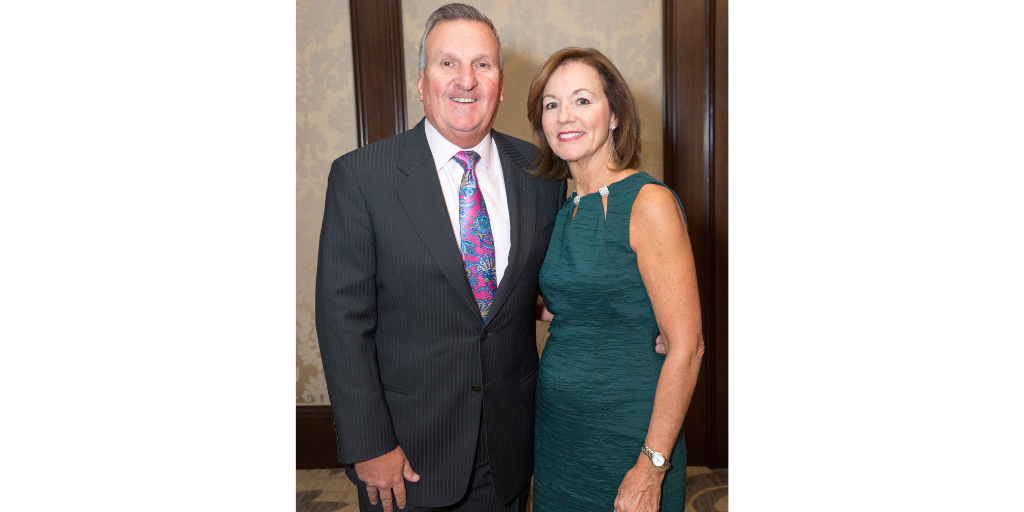
My journey began 17 years ago. I remember it like it was yesterday. I was on a ski trip in Vail; it was my first day of skiing, and I was experiencing excruciating back pain. I did something I would have never even considered; I changed my flight and headed home early. Throughout that summer my golf game declined, and I felt pain with every swing. Come December, the pain was so severe that I ended up on the floor in a fetal position several times. At that time, multiple myeloma did not have the exposure in the medical community that it does today. While the doctors tried to find the cause of my pain, MRI, CAT, and PET scans all showed no evidence of cancer. Four months later, after numerous tests and a loss of two inches of height, a simple 24-hour urine test showed I had elevated protein levels. A bone marrow biopsy confirmed a diagnosis of myeloma.
I took an unusual route to find a course of action. Through a friend, I found a financial analyst who covered the oncology market for myeloma, the doctors involved, and their success rates. With that list, I conferred with a friend who was the CEO of the local hospital and sought his opinion. At the time, I had never heard of the MMRF.
I started chemotherapy at CDH within two weeks of being diagnosed. After 24 IV’s, high-dose chemotherapy, and an outpatient stem cell transplant at Loyola, I stand here today 12 years later in total remission. I have not taken any drugs since that stem cell transplant. Thanks to the MMRF’s efforts, if needed, I now have many options to choose from.
Why did you choose to participate in the MMRF Walk/Run?
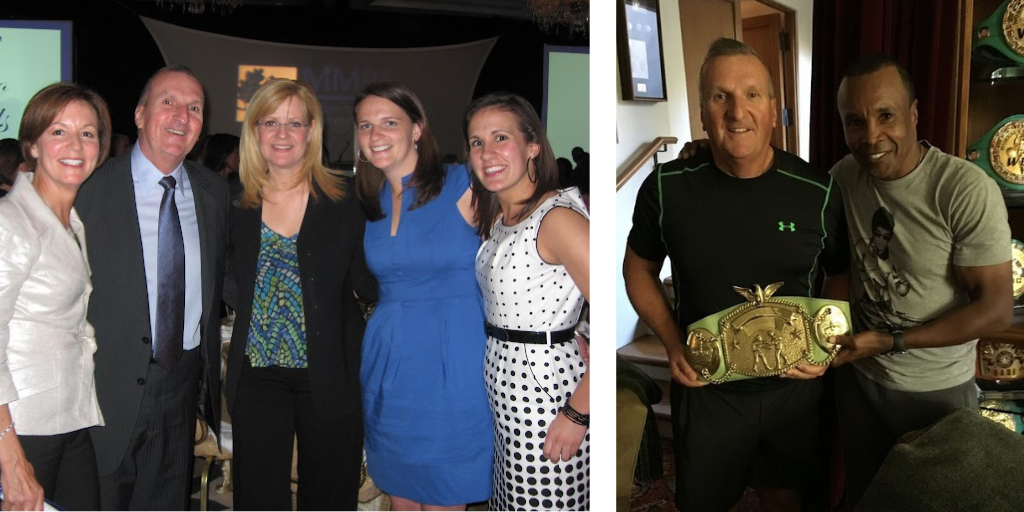
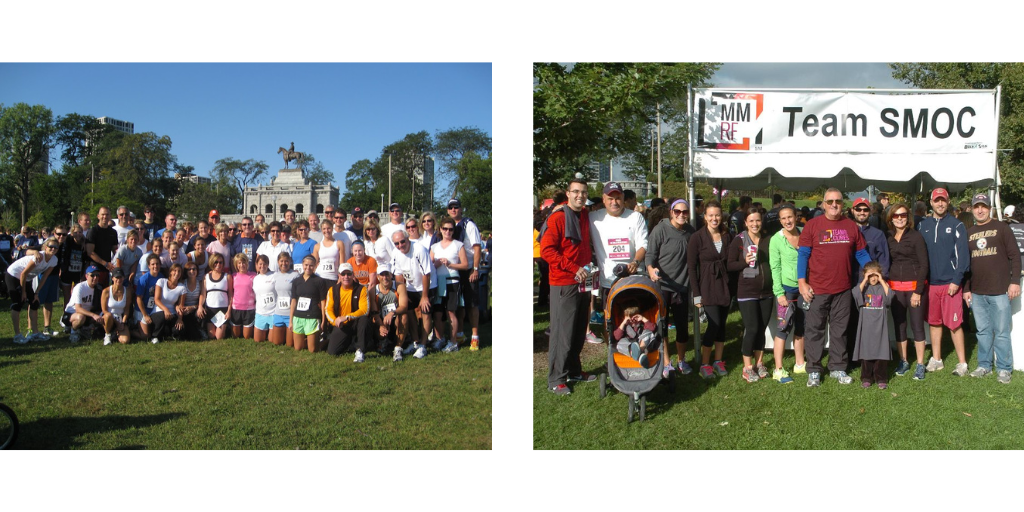
I first found out about the MMRF during the summer of my chemotherapy through my nephew, who suggested we participate in the Chicago 5K. We immediately enrolled in the fall race, which was run just before my stem cell transplant. At that race, we had over 120 participants and raised over $35,000. This year will be our 16th race.
How have you found perseverance in light of obstacles? Please share any stories that have given you strength.
Finding out you have a non-curable cancer is life changing. There were several things that I found extremely helpful in getting through my difficult journey.
1. My faith. I know I wouldn’t be here if it wasn’t for the power of prayer and the healing power of Jesus Christ. I was on the prayer list at my home church, a neighborhood bible study group, a Jewish synagogue in Cleveland, cloistered nuns in Detroit, and a Czech missionary in Prague.
2. A positive mental attitude—I always believed I would win this battle.
3. A sense of humor—laughing helps.
4. A network of friends to rely on. During the chemo, I had one friend who took me to lunch every week and, near the end of treatment, even cut my food because I couldn’t hold a knife due to neuropathy.
5. And last, but should have been first, my family, including my loving wife, Sandy; three children; two son-in-law; and now eight grandchildren.
Anything to add?
I’d like to thank my doctor, Jon Aagaard, who is always available to cure what ails me, and my oncologist, Dr. Pat Stiff at Loyola, who gave me a stem cell transplant that keeps on giving.
I feel extremely grateful to the MMRF and can’t imagine this journey without its support. It is an absolute joy to share the successes of the MMRF and its programs with new patients. I am extremely hopeful and trust that a cure is on the way.
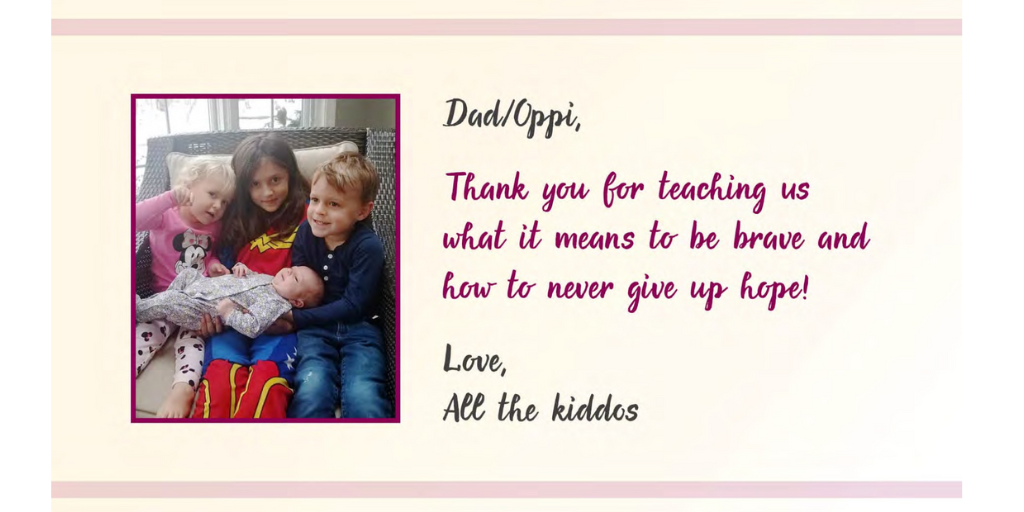
Thank you very much to the MMRF for this wonderful award. On behalf of all my fellow myeloma patients, thank you for the tremendous work you continue to do in cancer research and the development of life-saving solutions. To all my friends and supporters, we are forever grateful for your never-ending commitment to the MMRF.
The MMRF is delighted to recognize Tom Mihelcic as the MMRF Spirit of Hope Honoree at the 2024 MMRF Team for Cures: Chicago Walk/Run.
This award is presented at every Walk/Run to a patient, caregiver, or family who inspires hope through their resilience, perseverance, and dedication to the MMRF and its mission.
- MMRF CoMMpassSM data powers 34 abstracts advancing understanding and insights across all aspects of myeloma
- MMRF Immune Atlas data is featured in two oral presentations providing in-depth characterization of both the multiple myeloma tumor and the immune landscape
- The MMRF translational and research programs share molecular and clinical data to drive innovative collaborative science for the myeloma scientific community
Norwalk, Conn., December 7, 2023 – The Multiple Myeloma Research Foundation (MMRF) announced today that data from its landmark CoMMpass Study and Immune Atlas fueled 12 oral presentations to be presented at the 65th American Society of Hematology (ASH) Annual Meeting and Exposition in San Diego from December 9-12. In total, 34 different presentations use MMRF data. These advances represent important and continued innovation in multiple myeloma research.
“Our investment in the generation, analysis, and sharing of robust research and clinical data is fundamental to our relentless effort to drive progress in multiple myeloma treatment and ultimately a cure for each and every patient,” said Michael Andreini, President and CEO at the MMRF. “For over a decade, CoMMpass data has been analyzed by more than 300 researchers worldwide, making it one of the most highly published datasets in myeloma.”
Among the 34 CoMMpass abstracts to be highlighted at ASH are findings related to predictive biomarkers, disease progression, therapeutic resistance, risk assessment, genetic profiling to interpret the outcomes of early intervention for high-risk smoldering myeloma, and precision medicine.
One oral presentation from the Immune Atlas team reports on the results of single-cell RNA sequencing of bone marrow cell samples from 263 multiple myeloma patients enrolled at time of diagnosis in the CoMMpass Study. Using single cell transcriptomics, researchers captured the TIME (tumor immune microenvironment) and correlated specific immune cell populations and phenotypes with relapse risk and poor prognostic outcomes. These results suggest that immune subpopulations may be an essential novel aspect for improving current risk stratification models. These single-cell data are also part of a prognostic analysis of myeloma subtypes reported in a second oral presentation, in which collaborators at Genentech develop more refined subtypes using this Immune Atlas data, with improved characterization of early relapse.
“The Immune Atlas data have shown how immune function provides additional information beyond tumor subtyping, refining our understanding of risk and potentially advancing prognostication and strategies for clinical trials,” said George Mulligan, PhD, Chief Scientific Officer at the MMRF. “We will continue to push the envelope of innovative science in our urgent pursuit of better clinical strategies and more effective treatments for each and every patient with multiple myeloma.”
About the MMRF CoMMpassSM Study
The CoMMpass Study is an ongoing study of patients with active multiple myeloma, who enrolled at diagnosis and are being followed for eight years. The study maps patients’ tumor genomic profile to clinical outcomes with the goal of developing a more complete understanding of both disease biology and the patient’s response to treatments. With its inclusion in more than 300 published or presented studies, CoMMpass represents the largest longitudinal genomic dataset in multiple myeloma and has led to groundbreaking discoveries that have transformed how researchers understand the biology of the disease. The MMRF makes the CoMMpass data available to researchers globally and updates results at regular intervals.
About Immune Atlas
The MMRF Immune Atlas is a collaboration to study the immune system in multiple myeloma and establish a “gold standard” immune profiling platform for use in multiple myeloma research studies. This information, from hundreds of patients, will be combined with the existing genomic and clinical data from our CoMMpass Study to develop a more comprehensive picture of myeloma disease biology. These resulting insights will be helpful in guiding optimal therapy for myeloma patients.
About the Multiple Myeloma Research Foundation (MMRF)
The Multiple Myeloma Research Foundation (MMRF) is the largest nonprofit in the world solely focused on accelerating a cure for each and every multiple myeloma patient. We drive the development and delivery of next-generation therapies, leverage data to identify optimal and more personalized treatment approaches and empower myeloma patients and the broader community with information and resources to extend their lives. Central to our mission is our commitment to advancing health equity so that all myeloma patients can benefit from the scientific and clinical advances we pursue. Since our inception, the MMRF has committed over $500 million for research, opened nearly 100 clinical trials, and helped bring 15+ FDA-approved therapies to market, which have tripled the life expectancy of myeloma patients. To learn more, visit www.themmrf.org.
###
Multiple Myeloma Research Foundation Media Contact:
C.J. Volpe
Director, PR and Communications
203-652-0453
[email protected]
About the Research Scholar Awardee Grants
Dr. Biltibo’s proposal entitled, “Identifying Effective and Cost-Conscious Maintenance Daratumumab Dosing,” focuses on equitable, utilization of immunotherapeutics in multiple myeloma and improving racial diversity of clinical trial participants in the same field. She will lead a single-arm phase II, non-inferiority clinical trial that will compare the 2-year MRD-negativity rate of subcutaneous 8-weekly DARZALEX® (daratumumab) and daily REVLIMID® (lenalidomide) maintenance therapy with 4-weekly DARZALEX® (daratumumab) and daily REVLIMID® (lenalidomide) maintenance therapy using a historical treatment cohort from the GRIFFIN trial. Dr. Cook’s proposal entitled, “Prevalence of MGUS Among Unique Populations of Black People,” will determine the prevalence of monoclonal gammopathy of undetermined significance (MGUS), a precursor disease to multiple myeloma, among East African people in Minnesota and an Afro-Caribbean population in Trinidad. She will lead a team that will use modern tools such as mass spectrometry to identify the presence of monoclonal protein. For those with positive MGUS tests, genome wide association studies and single nucleotide polymorphism (SNP) analysis will be performed to determine ancestral origins and correlate with the prevalence of SNPs known to be associated with higher prevalence of certain IgH translocations.About Multiple Myeloma
Multiple myeloma is the second most common blood cancer in the US. It develops in the bone marrow and can spread throughout the body. In 2023, multiple myeloma is expected to be diagnosed in more than 35,000 Americans and take the lives of 12,000. Despite advances, most patients relapse and there is still no cure. Multiple myeloma is twice as common in the Black community compared to other ethnicities and the outcomes for Black patients are generally worse than that of white patients.About the Multiple Myeloma Research Foundation
The Multiple Myeloma Research Foundation (MMRF) is the largest nonprofit in the world solely focused on accelerating a cure for each and every multiple myeloma patient. We drive the development and delivery of next-generation therapies, use data to drive optimal and more personalized treatment approaches, and empower myeloma patients with information and resources to extend their lives. Central to our mission is our commitment to advancing health equity so that all myeloma patients can benefit from the scientific and clinical advances we pursue. Since our inception, the MMRF has committed over $500 million for research, opened nearly 100 clinical trials, and helped bring 15+ FDA-approved therapies to market, which have tripled the life expectancy of myeloma patients. To learn more, visit www.themmrf.org. ###Multiple Myeloma Research Foundation Media Contact:
C.J. Volpe, Director, PR and Communications 203-652-0453 [email protected]There have been important strides in multiple myeloma treatment in recent years including a striking series of new immune agents approved and progress in understanding the complex underlying disease biology. These gains are welcome achievements for the entire myeloma community – patients, families, healthcare providers, and researchers from industry and academia. Yet there is much more to do. Despite these and other advances, there is no cure for myeloma and most patients die of their disease. Some patients get very little benefit from this progress and long-term survivorship often involves protracted treatment and varied toxicities, including financial trauma.
The way forward requires even more collaboration. New forms of teamwork offer the possibility of new findings far beyond what individual groups could achieve alone. As in many endeavors, collaboration can still be elusive, particularly when there is little incentive to band together and a tendency to “go it alone” even in lethal diseases like myeloma. This is why intervention by, and funding from, organizations like the Multiple Myeloma Research Foundation (MMRF) is so critical. For the last twenty-five years, the MMRF has facilitated collaborative efforts to drive ambitious clinical studies that could not be done by any single institution. We have directed attention and dollars to find new insights about how myeloma starts as well as how it evolves to resist therapy.
With 2024 nearly upon us, the MMRF is again investing in new research challenges and new approaches to team building and collaboration. We recently announced that our MMRF Myeloma Accelerator Challenge (MAC) Program will invest $21 million over three years to focus on the biology of high-risk newly diagnosed multiple myeloma and the definition of high-risk smoldering precursor disease. This is a global research program comprised of three multi-institution partnerships across 18 different medical centers in the US, the Netherlands, Spain, Italy, and Germany:
- The first network, led by Emory University, focuses on a more accurate definition of high-risk smoldering multiple myeloma and ties together 7 research centers (with Sloan Kettering, Dana-Farber, Mayo Clinic, Mass General, Mt. Sinai NY, Levine Cancer Center).
- The next two networks study high-risk newly diagnosed multiple myeloma. A European based network led by Erasmus University binds 5 centers (with U. Wűrzburg, Amsterdam UMC, U. Torino, U. Salamanca), while the Mt. Sinai led team knits together 6 more (with Albert Einstein Medical College, UC San Francisco, Stanford, Hackensack Medical, Wash U. St. Louis).
Worldwide, the annual incidence of myeloma is currently 160,000 and the mortality rate is 106,000. We are excited about the results that will emerge from these MAC Program projects and the promise to change these numbers. Personally, I am pleased that these centers and the MMRF can work together to pool resources in a less common but lethal cancer, and study hundreds of patient samples from high-risk subsets of the disease. This approach will create new possibilities and advance compelling hypotheses on the path to rapid testing in clinical trials. This can result in better clinical strategies and more effective treatments, a critical step in the MMRF’s urgent pursuit of a cure for each and every myeloma patient.
Clearly there is more to do but there is no doubt we will be successful faster when we do this together.
- Updates on our groundbreaking research initiatives, including the MMRF Virtual Lab™ and Immune Atlas
- New investments by the Myeloma Investment Fund®
- And so much more…
About the MAC Grant Networks
Clinical & Multi-Omics Platforms to Define High-Risk Smoldering Multiple Myeloma.
Sagar Lonial, MD, Winship Cancer Institute of Emory University, is leading a network of institutions including Atrium Health Levine Cancer Institute, Icahn School of Medicine at Mount Sinai, Massachusetts General Hospital, Mayo Clinic, Memorial Sloan Kettering Cancer Institute, and Dana-Farber Cancer Institute. This team will develop an improved definition of high-risk SMM through the generation and analysis of new SMM patient data. These include use of cutting-edge technologies and a large, collaborative set of patient samples, with the goal of better defining which patients are suited for early intervention, which types of interventions can have the greatest impact, and which patients can safely be observed due to a low risk of disease progression.A Systems Biology Approach to High-Risk Multiple Myeloma.
Prof. Pieter Sonneveld, MD, PhD, Erasmus Medical Center, is leading a European network of institutions including Erasmus Medical Center in Rotterdam, Amsterdam University Medical Centers, Julius Maximilian University of Würzburg, University of Turin, and the University of Salamanca. This team will investigate what makes less responsive, high-risk patients different from other patients with multiple myeloma. By combining different aspects of the disease, researchers will compile an integrated definition of high-risk multiple myeloma, a key step towards new treatments specifically designed for these patients.Transforming Treatment of High-Risk Myeloma.
Samir Parekh, MD, the Tisch Cancer Center at Mount Sinai, is leading a network of institutions including Albert Einstein Medical College, Hackensack University Medical Center, Stanford University Medical Center, University of California San Francisco, and Washington University of St. Louis. Using cutting-edge technologies, this team will analyze a large cohort of patient samples at the genomic and immune level to understand the critical events that drive high-risk multiple myeloma. The studies have the potential to identify new vulnerabilities that will be further studied using CRISPR gene editing in the laboratory.About Multiple Myeloma
Multiple myeloma is the second most common blood cancer in the US. It develops in the bone marrow and can spread throughout the body. In 2023, multiple myeloma is expected to be diagnosed in more than 35,000 Americans and take the lives of 12,000. Despite advances, most patients relapse and there is still no cure. Multiple myeloma is twice as common in the Black community compared to other ethnicities and the outcomes for Black patients are generally worse than that of white patients.About the Multiple Myeloma Research Foundation
The Multiple Myeloma Research Foundation (MMRF) is the largest nonprofit in the world solely focused on accelerating a cure for each and every multiple myeloma patient. We drive the development and delivery of next-generation therapies, use data to drive optimal and more personalized treatment approaches, and empower myeloma patients with information and resources to extend their lives. Central to our mission is our commitment to advancing health equity so that all myeloma patients can benefit from the scientific and clinical advances we pursue. Since our inception, the MMRF has raised over $500 million for research, opened nearly 100 clinical trials, and helped bring 15+ FDA-approved therapies to market, which have tripled the life expectancy of myeloma patients. To learn more, visit www.themmrf.org. ### Multiple Myeloma Research Foundation Media Contact: C.J. Volpe, Director, PR and Communications 203-652-0453 [email protected]
20-year industry veteran to lead development, execution of MIF investment strategy
Norwalk, Conn., Oct. 5, 2023 — The Multiple Myeloma Research Foundation® (MMRF®) has announced the appointment of Stephanie Oestreich, Ph.D., MPA, as Managing Director of its venture philanthropy subsidiary, the Myeloma Investment Fund® (MIF®). In this role, Dr. Oestreich will lead the overall execution of the MIF’s investment strategy and serve as a member of the MMRF executive leadership team.
“We are thrilled to have Dr. Oestreich join our team as Managing Director of the MIF,” said Michael Andreini, President and CEO, the MMRF. “The MIF invests in the most promising companies that are developing innovative clinical assets and technologies that could be transformative for myeloma patients. Dr. Oestreich brings a wealth of business development experience in biopharma and biotech that will play an invaluable role in the continued growth and impact of our fund.”
Dr. Oestreich has more than 20 years of diverse experience in business development and strategic alliances spanning large biopharma, biotech, and early academic research. Previously, she served as Chief Business Officer at the biotech Galecto and Vice President at the cell therapy company Mnemo Therapeutics. In addition, Dr. Oestreich was a Venture Partner at RA Capital and Executive Vice President at Evotec, where she built its North American investment arm and started an incubator with Samsara BioCapital. Her experience also includes work at F. Roche Hoffmann-La Roche Ltd., where she served as International Business Leader, and Novartis in Business Development and in Commercial.
“The MMRF has made a tremendous impact to help advance new therapies for myeloma patients and I am truly excited to join this effort as Managing Director of the MIF,” said Dr. Oestreich. “Through the MIF’s investment strategy, we will continue our work to advance the development of novel treatments and innovative therapeutic strategies for patients.”
In addition to her role at the MIF, Dr. Oestreich currently serves on the boards of the German American Business Council in Boston and the Harvard Kennedy School’s Women’s Network and is the chair of the McCloy Alumni Association. She is also on the faculty of MIT, a member of the Launchpad Venture Group, an advisor at grIP Venture Studio to Biognosys (a Bruker company), Invitris, CART company CelineTx, and to the drug development and investment company Orange Grove Bio. She is also a member of the W20 Entrepreneurship task force, the official engagement group of the G20.
To learn more about the MIF, visit www.myelomainvestmentfund.org.
###
About the Myeloma Investment Fund (MIF)
The Myeloma Investment Fund (MIF) is a venture philanthropy fund that invests in promising companies, clinical assets, and technologies in oncology to drive the development of new therapies for multiple myeloma. The MIF collaborates closely with portfolio companies to help them advance multiple myeloma research. This evergreen fund is supported entirely by philanthropy; all profits will be reinvested back into research for more effective treatments until there is a cure for every patient. For more information, visit www.myelomainvestmentfund.org.
###
About the Multiple Myeloma Research Foundation (MMRF)
The Multiple Myeloma Research Foundation (MMRF) is the largest nonprofit in the world solely focused on accelerating a cure for each and every multiple myeloma patient. We drive the development and delivery of next-generation therapies, leverage data to identify optimal and more personalized treatment approaches, and empower myeloma patients and the broader community with information and resources to extend their lives. Central to our mission is our commitment to advancing health equity so that all myeloma patients can benefit from the scientific and clinical advances we pursue. Since our inception, the MMRF has committed over $500 million for research, opened nearly 100 clinical trials, and helped bring 15+ FDA-approved therapies to market, which have tripled the life expectancy of myeloma patients. To learn more, visit www.themmrf.org.
###
Multiple Myeloma Research Foundation Media Contact:
C.J. Volpe, Director, PR and Communications
203-652-0453
[email protected]