How did you get involved with the MMRF?
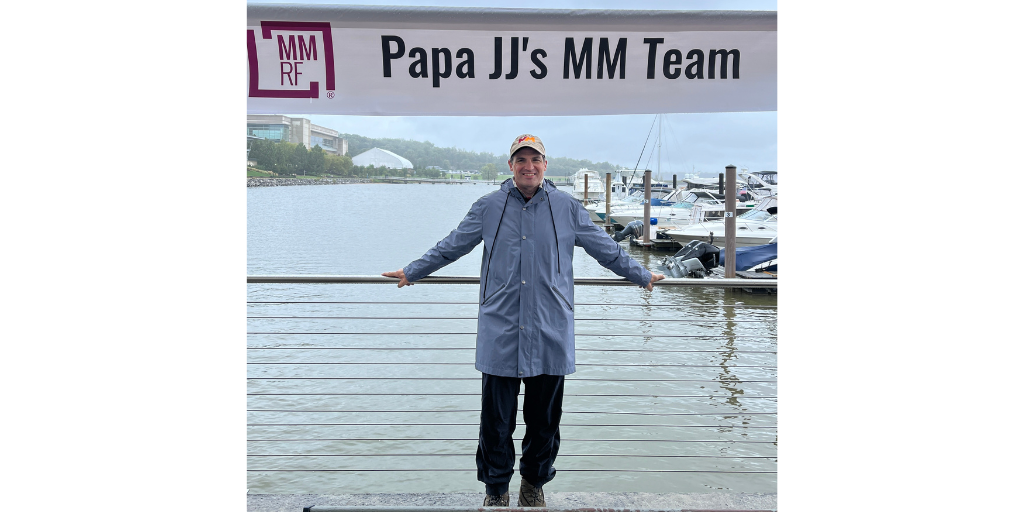
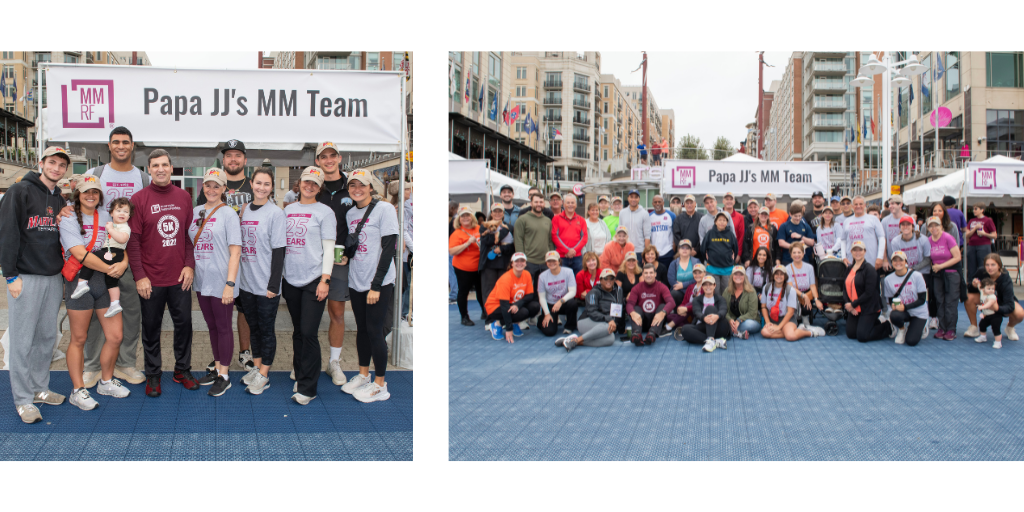
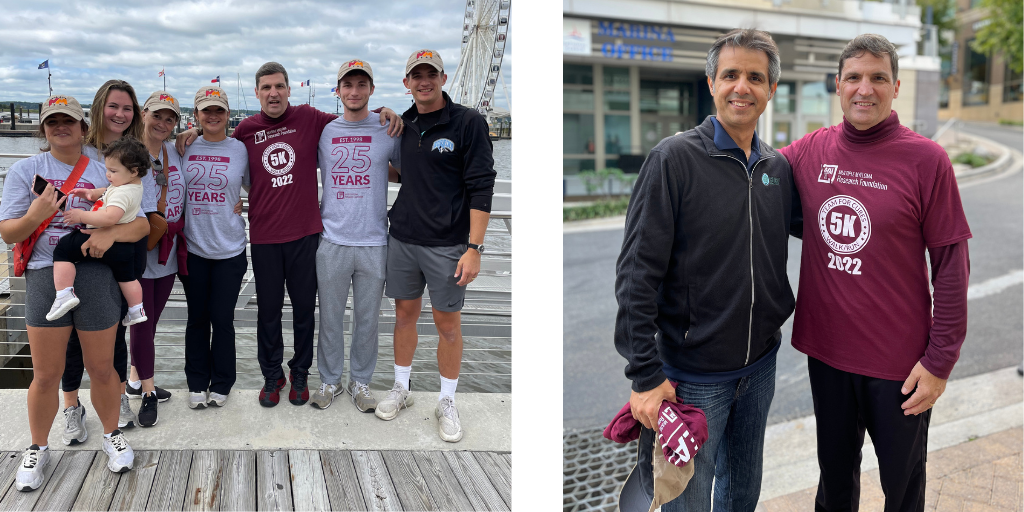
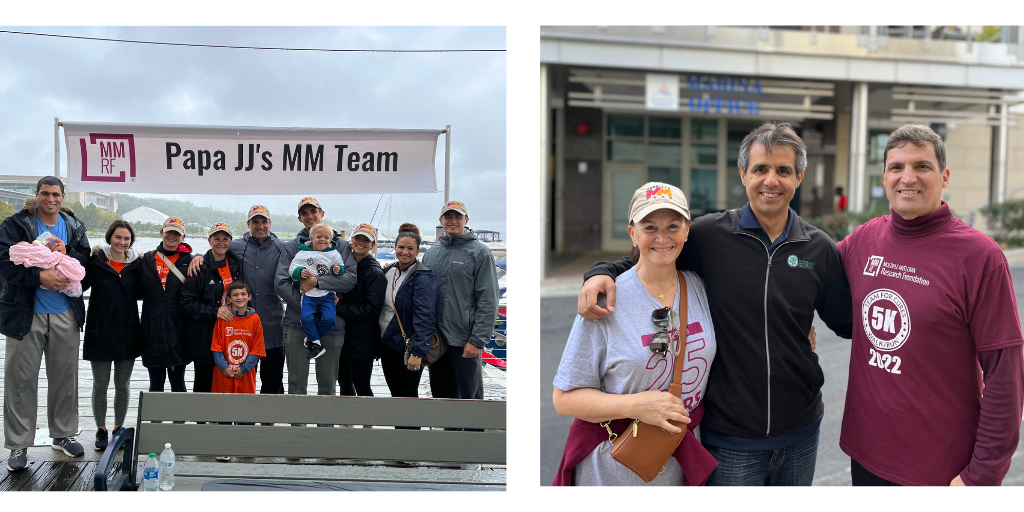
Team Papa JJ was formed nearly two years ago for the 2022 MMRF Walk/Run: Washington, DC. Douglas J.J. Peters, affectionately known as “Papa JJ” by his grandchildren, was a few months into his multiple myeloma diagnosis.
Why did you choose to participate in the MMRF Walk/Run?
Doug’s diagnosis forced him to step away from work and receive fatiguing treatments at home. He loved working with people and took pride in his fitness, so his newfound isolation and weakness proved to be an adjustment. When he became aware of the MMRF Walk/Run in the county he called home, he jumped at the chance to join.
He took to social media to make his multiple myeloma battle public while inviting others to join in, posting “My diagnosis and path to remission inspire me to do what I can to help others fight this cancer and to further accelerate efforts toward better treatments and a cure for multiple myeloma.”
The event offered the opportunity to: set a fitness goal, walking a 5k route under his own power after months of bed rest; connect with friends, family, colleagues, and loved ones he had not been able to see; and most importantly, join other patients to HELP FIGHT multiple myeloma TOGETHER!
Together at the 2022 and 2023 MMRF walks, Team Papa JJ raised over $45,000 and rallied over 175 walkers!
The MMRF walks gave Doug great joy, pride, and most of all, hope. He bonded with other patients who had been living with multiple myeloma for years or even decades. They eagerly showered him with encouragement and inspiration.
Unfortunately, Doug passed due to complications from his treatments a few days after Christmas this past year. He was surrounded by his family and loved ones.
The Spirit of Hope is given to “individuals/groups who inspire hope and show extraordinary commitment to the MMRF.” What does being given the award mean to you?
Team Papa JJ is honored to receive the Spirit of Hope award. Participating in the MMRF walk was Doug’s idea, and meeting other patients leading fulfilling lives while fighting myeloma gave him great hope. His choice to actively fight against the cancer with others instead of bemoaning his situation inspired donors and walkers alike to join the fight. We see the award as a public acknowledgment of the inspiring fight we saw in private, and we are grateful for the recognition. We hope teams and participants in this year’s Walk/Run are able to take advantage of the event’s unique opportunity to bring people together in the name of optimism, hope, and love to continue the fight against multiple myeloma.
How have you found perseverance in light of obstacles? Please share any stories that have given you strength.
Doug was a strong, competitive man by nature who thrived on challenge and helping people. Whatever he chose to do, he was going to give 110%! It was wonderful to see Doug combine his fighting spirit with his strong fundraising capability to fund the fight and find a cure. The endeavor gave him joy and purpose.
Doug knew he could only do so much to control the cancer, so he set out to control each day. When his body was at its weakest, his mind was at its strongest, and he remained driven. He learned to set smaller, more manageable goals he could complete each day. These included knocking five things off his “to do” list daily and beginning each day reading scripture during his 20-minute Peloton ride. Doug persevered through faith and bountiful HOPE, exhibiting humility, grit and grace throughout his battle. He vowed never to let multiple myeloma break his spirit. With hope, he fought to the end.
Does your team have a favorite mantra, quote, lyric that gives you strength?
Doug was a man of faith and an avid movie fan, making it fitting to include his favorite Bible verses alongside a quote from his favorite film.
“What good is it, my brothers and sisters, if someone claims to have faith but has no deeds? Can such faith save them? Suppose a brother or a sister is without clothes and daily food. If one of you says to them, “Go in peace; keep warm and well fed,” but does nothing about their physical needs, what good is it? In the same way, faith by itself, if it is not accompanied by action, is dead” (James 2:14–17).
“What we do in life, echoes in eternity” (Maximus Decimus Meridius, Gladiator)
The Team Papa JJ In honor of Douglas J.J. Peters, MMRF 2024 Walk/Run: Washington, D.C. Spirit of Hope Honoree. Donate to Team Papa JJ as they accelerate a cure in Douglas’ memory.
This award is presented at every Walk/Run to a patient, caregiver, or family who inspires hope through their resilience, perseverance, and dedication to the MMRF and its mission.
The MMRF was truly honored and privileged to count Pat Williams among our closest friends and champions. The outpouring of love in honor of Pat’s life of service is genuine and deserved. His passion and vision for basketball was pioneering and his legacy lives on. He displayed a similar level of commitment and compassion to supporting and inspiring countless cancer patients and their loved ones. Pat was diagnosed with multiple myeloma in 2011 and served on the MMRF’s Board of Directors for several years. We are forever grateful for his service. He will be missed.
To learn more about Pat’s life and legacy, please see this article from US News & World Report: https://www.usnews.com/news/sports/articles/2024-07-18/magic-co-founder-pat-williams-who-helped-bring-team-to-orlando-dies-at-84
An IW Myeloma conference update from
the MMRF and Myeloma Solutions Fund
Remarkable advances in the treatment of multiple myeloma (MM) have significantly improved outcomes over the past 30 years. However, there remain certain subtypes of MM – including those patients that harbor t(4;14) translocations – that are at increased risk of relapse and adverse events. Understanding the biology of these high-risk MM subtypes is critical to developing more effective therapies. The Multiple Myeloma Research Foundation’s (MMRF) CoMMpass study has done more to advance our understanding of the biology of MM, including high-risk disease, than any other single study. An overview of findings from the CoMMpass study, which enrolled 1149 patients and followed them for 8 years, was presented by Dr. Larry Boise from Winship Cancer Institute of Emory University at iwMyeloma 2024 (watch interview). As highlighted by Dr. Boise, this study has provided foundational data for publications identifying structural variants (Barwick et al.) and genomic hotspots (Maura et al.) associated with poor outcome as well as personal risk assessment (Maura et al.). By integrating multiple genomic data sets, this study provided a more complete view of the biology of high-risk MM (Keats et al.)
A new layer of genomic data for CoMMpass tumor samples was presented by Dr. Ben Barwick, who characterized over 400 CoMMpass samples for the presence of DNA methylation – a chemical modification on DNA that is tightly linked to gene expression. These data showed that DNA methylation in MM was dramatically different than normal plasma cells, with MM losing approximately one-third of the DNA methylation found in normal plasma cells. These DNA methylation losses primarily occurred in regions of the genome that are the last to replicate during cell division, suggesting they resulted from cellular proliferation, something normal plasma cells rarely undergo. Furthermore, interrogation of unique DNA methylation programs between different MM subtypes also showed that the Proliferation subtype – which is not defined by any specific genetic alteration, but rather a high rate of cellular growth and poor outcome – had lower levels of DNA methylation compared to other MM subtypes. This occurred in these same late replicating regions of the genome where DNA methylation losses were generally observed in MM, but also at specific genomic elements that are bound by a group of factors known as the E2F transcription factors that control cell division, pointing to specific mechanisms that drive the Proliferation high-risk MM subtype.
Although each MM subtype has a unique ‘epigenetic’ or DNA methylation signature, the t(4;14) subtype was by far the most unique. While this is not entirely surprising given that t(4;14) translocations result in overexpression of NSD2 – an enzyme involved in epigenetic regulation – this is a previously unappreciated aspect of t(4;14) biology. Specifically, NSD2 deposits methylation on histone 3 lysine 36 (H3K36), and Dr. Barwick showed that this excess H3K36 methylation in the t(4;14) subtype also results in higher levels of DNA methylation. Dr. Barwick’s MSF award is focused on exploiting the unique epigenetic program of t(4;14), which he believes leads to a more immunological quiescent cancer.
This work complements several other research programs focused on tackling t(4;14) also presented at iwMyeloma 2024, including those from Dr. Boise, who is looking at how the apoptosis threshold of t(4;14) MM can be altered to make cells more sensitive to therapies; Dr. Arun Wiita who leveraged CoMMpass to identify CD70 as a new immune target in MM; Dr. Yubao Wang who has generated innovative models to precisely measure NSD2 function and identify new targets in t(4;14); and Dr. Faith Davies who presented novel approaches to targeting the Ras pathway in high-risk and t(4;14) MM. Cumulatively, these complementary research programs, sponsored in part through Myeloma Solutions Fund research grants and continual interrogation of samples from the MMRF CoMMpass study, are uncovering novel biology and new paradigms for targeting t(4;14) and high-risk MM.
The Myeloma Solutions Fund recognizes the significant contributions that the CoMMpass study continues to deliver. To visit their website please click here.
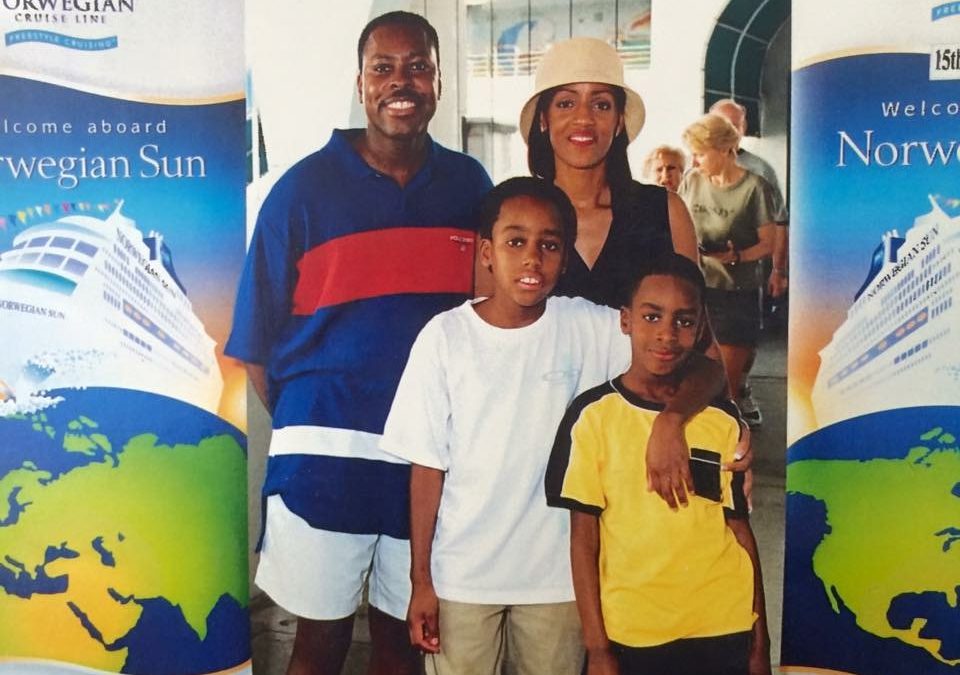
Jennifer Campbell, Deceased Patient’s Wife
Torrance Campbell’s wife, Jennifer learned about the MMRF through her husband. He had met Kathy Giusti sometime before the first MMRF Chicago 5K Walk/Run in 2001. At the very first race Torrance participated with his colleague and friend from Baxter Credit Union (BCU).
Torrance Campbell (TC) was diagnosed with multiple myeloma in 1997. He was just 38 years old. Like so many others, the colleagues didn’t know very much about multiple myeloma when they first heard the news. Nonetheless, BCU employees were determined to do their part to contribute to a cure. They formed the “BCU Team”. Shortly after Torrance’s passing in 2005, another multiple myeloma patient and close friend of BCU suggested “Spirit of Hope”. So, beginning in 2006, the BCU Team officially became “TC’s Spirit of Hope” to honor his memory. The team’s name embodies Torrance’s attitude in all things hopeful.
Whether in good health or bad, Torrance showed courage, empathy, deep faith, and an immense passion for life. He remained positive and certain that one day a cure would be found for multiple myeloma, and only humbly hoped it wouldn’t be too late for him.
“Our family has had to continue without Torrance’s daily presence. However, the foundation of faith, love and support he gave us will always keep him in our hearts,” said Jennifer Campbell.
Torrance’s “spirit of hope” and perseverance in light of obstacles he faced in his life was the start of the MMRF Spirit of Hope Award. Today, this award is presented to a person or team who inspires hope and shows extraordinary commitment to the MMRF. The MMRF has named over 300 Spirit of Hope Award Honorees since 2007 when the award was created in Torrance’s honor.
Welcome to our recap of the latest findings on myeloma treatments reported at the European Hematology Association meeting that kicked off Thursday in Madrid, Spain. Clinicians and researchers gathered to present and discuss several updates in multiple myeloma relating to:
- Blenrep, an antibody drug conjugate
- Chimeric antigen receptor (CAR) T-cell therapies
- Bispecific antibodies (also known as T-cell engagers)
- Four-drug combinations for newly diagnosed patients
Let us break down the key findings for you…
Antibody drug conjugate
Blenrep (Belantamab mafodotin)
On Thursday, a late-breaking abstract (Abstract: LBA3440) presented by researchers from Greece showed Blenrep in combination with Pomalyst (pomalidomide) and dexamethasone (Pd) lowered the risk of disease progression or death by 48% compared to Velcade (bortezomib) plus Pd. Results of the phase 3 DREAMM-8 trial, which included 302 patients who have tried at least one prior line of therapy, including Revlimid (lenalidomide), were presented a couple of weeks ago at the American Society of Clinical Oncology (ASCO) annual meeting and also published in the New England Journal of Medicine (Dimopoulos M, NEJM 2024).
Side effects of the combination of Blenrep with Pd (BPd) were consistent with previous clinical trials of Blenrep.
- Most common side effects were blurred vision, dry eye, eye irritation, foreign-body sensation in eyes, and low white blood cell counts.
- Eye toxicity led to treatment discontinuation in 9% of the patients treated with BPd group and in no patients treated with PVd.
In a second abstract (Abstract: S214) on Blenrep , researchers from Spain presented data from the phase 3 DREAMM-7 study that showed Blenrep in combination with Velcade (bortezomib) and dexamethasone (BVd) more than doubled progression-free survival (PFS), that is the time until disease progression, compared to Darzalex (daratumumab) in combination with Vd (36 vs 13 months). Results of the trial, which included 494 patients who had received 1 or more prior lines of therapy but no prior treatment with an anti-BCMA therapy, were presented earlier at ASCO and published in the New England Journal of Medicine (Hungria V, NEJM 2024).
Side effects of the BVd were consistent with previous clinical trials of individual drugs. Most common side effects were low platelet counts, blurred vision, and dry eye. Eye problems were generally reversible and manageable with dose modifications. Despite the higher incidence of eye issues in patients who received BVd, overall patient-reported health-related quality of life did not differ substantially between the treatment groups over time.
Taken together, the results from the two clinical trials represent a second opportunity for Blenrep, which was taken off the US market in November of 2022 following the request of the U.S Food and Drug administration (FDA) as the phase 3 trial did not meet its primary endpoint. Blenrep was originally granted accelerated approval in August 2020, based on a single arm trial, by the FDA for relapsed/refractory patients who had received at least four prior treatments.
Results from these trials indicate that the original indication for Blenrep, which recommended administration once every three weeks at 2.5 milligrams per kilogram of body weight, had not been optimized for patients; these studies took a different approach, resulting in fewer side effects for patients. In DREAMM-8, the initial dose of Blenrep was the same, however subsequent doses were lowered to 1.9 milligrams per kilogram and administered every four weeks. Researchers noted that the dose reductions and the use of lubricating or moisturizing eye drops helped improve treatment outcomes in patients.
CD-38 Antibody Therapy
Darzalex (daratumumab)
New data continue to confirm that a four-drug combination for newly diagnosed patients is a new standard of care. In the primary analysis of the phase 3 PERSEUS trial, researchers showed that subcutaneous Darzalex in combination with Revlimid, (lenalidomide), Velcade (bortezomib), and dexamethasone (D-VRd) followed by Darzalex plus Revlimid (D-R) maintenance reduced risk of progression or death by 58 percent compared to VRd in patients with newly diagnosed multiple myeloma (NDMM) who received a stem cell transplant.
Researchers from the Netherlands presented additional data from the PERSEUS trial. Their analysis (Abstract: S201) of minimal residual disease (MRD) negativity—that is no disease was detected after treatment—showed that MRD negativity rates were higher with D-VRd compared to VRd for after 3 years (65% vs 30%).
The authors conclude that these results support a D-VRd quadruplet induction and consolidation regimen and D-R maintenance regimen as the standard of care for NDMM patients deemed eligible for a stem cell transplant.
Sarclisa (isatuximab)
Data from 2 abstracts presented at EHA 2024 showed that adding Sarclisa (isatuximab), which is in the same class of treatments as Darzalex, to RVd improves outcomes in patients with NDMM.
The BENEFIT trial showed Sarclisa (isatuximab) in combination with VRd (Isa-VRd) significantly increased the MRD negativity to 47% compared to 24% in patients who were treated with IsaRd, according to data presented by researchers in France (Abstract S202). The phase 3 BENEFIT study included patients aged 65-79 years with NDMM who were determined to be ineligible for a stem cell transplant.
In the next abstract (Abstract S203), German researchers revealed their interim analysis of the GMMG-HD7 trial, which demonstrated that the addition of Sarclisa to VRd (Isa-VRd) and high-dose therapy (melphalan) followed by stem cell transplant improved MRD negativity rates compared to VRd alone (72% vs 57%).
Findings from both studies further support the use of Isa-VRd as a new standard of care for patients with NDMM.
CAR T-cell Therapy in Earlier Lines of Therapy
Carvykti (ciltacabtagene autoleucel)
The first abstract (Abstract: S205) highlighted findings from an analysis of the CARTITUDE-2 study that evaluated Carvykti with or without Revlimid maintenance in patients who achieved less than a CR after transplant ASCT and frontline therapy.
Researchers from the Netherlands noted that a single infusion of Carvykti with or without Revlimid maintenance demonstrated deep and durable responses. Of the 17 patients treated with Carvykti 94% achieved an ORR, with 94% also achieving a CR or better. The safety profile was like prior trials of Carvykti with or without Revlimid maintenance. After 22 months of follow up, the most common side effects were low white blood cell counts, cytokine release syndrome (CRS) or flu-like symptoms, neurotoxicity, and infections.
Further studies, with a median follow up greater than 2 years, will continue to examine the potential role of CAR T-cell therapy in frontline treatment of patients.
Abecma (Idecabagene vicleucel)
Patients with MM who relapse early after induction therapy and stem cell transplant have a poor prognosis. In the pivotal phase 2 KarMMa study, treatment with Abecma resulted in frequent, deep, and durable responses in patients who were had received all major classes of treatments and no longer responded to their last treatment. Ongoing studies are evaluating the potential use of CAR T-cell therapy in earlier lines of therapy.
In the next abstract (Abstract: S208), French researchers reported that 94% of NDMM transplant-eligible patients whose disease progressed less than 18 months after receiving first line therapy achieved a response following a single infusion of Abecma. Of the 31 patients who received Abecma, low white blood cell counts, low platelet counts, CRS, and infections were the most common side effects.
Investigational CAR T-cell Therapy
CAR T cell therapies targeting B‑cell maturation antigen (BCMA) have resulted in unprecedented responses in RRMM; however, relapses are frequent, and the development of new approaches is needed. Four abstracts presented at EHA 2024 highlighted results from early phase clinical trials on investigational CAR T-cell therapies for NDMM and RRMM.
GC012F
GC012F is a new, dual-targeting CAR-T cell therapy that binds to BCMA and CD19 on myeloma cells and is manufactured within 24 hours of removal of plasma from a patient. Researchers from China colleagues reported their findings from an early phase trial that included 22 patients with high-risk NDMM who were eligible for a stem cell transplant-eligible (Abstract S200). Patients were considered high-risk if they had one or more of the following features: R-ISS-2 or-3; del17p, t(4;14), t(14;16), or 1q21amp; or extramedullary disease.
Following 23 months of follow up, the results showed all patients achieved a response and MRD negativity with GC012F. Low-grade CRS was the main side effect reported in this early phase study. The authors conclude that these promising preliminary results require further assessment of GC012F for NDMM with more patients and longer follow-up.
Equecabtagene autoleucel
Chinese researchers reported their findings from an early phase clinical trial that evaluated a single infusion of equecabtagene autoleucel in high-risk NDMM patients who were deemed ineligible for a stem cell transplant. Findings from their abstract (Abstract S206) showed that all 16 patients who received equecabtagene autoleucel achieved a response and were MRD negative 7 months after treatment. High-risk features were defined as one or more of the following: R-ISS-3; del17p, t(4;14), t(14;16), or 1q21amp; or extramedullary disease. The most common side effects were infections, CRS, and low white blood cell counts.
Anitocabtagene autoleucel
Findings from an early phase trial showed that all patients achieved a response and 89% achieved MRD negativity after one-year of receiving a single dose of anitocabtagene autoleucel. The abstract (Abstract S207), presented by Dr. Matthew Frigault and colleagues from Massachusetts General Hospital Cancer Center, included data from 38 patients with RRMM who had received 3 or more lines of prior therapy. Anitocabtagene autoleucel has a unique protein, called a D-Domain, that is designed to bind more firmly to BCMA and reduce the risk of side effects such as CRS. Researchers reported that CRS and neurotoxicity as the most common side effects observed with anitocabtagene autoleucel therapy.
Zevorcabtagene autoleucel (zevor-cel)
In this abstract (Abstract S209), researchers from China showed that 92% of patients with RRMM who received a single infusion of zevorcabtagene autoleucel achieved a response. The early phase study included 102 patients with RRMM who had received at least 3 prior lines of therapy. Researchers noted that CRS, neurotoxicity, and infections were the most common side effect observed.
Investigational Bispecific Antibodies
Cevostamab
Salvage therapies for patients who are refractory or relapse following BCMA-targeted therapy remains an urgent unmet need. Cevostamab, a bispecific antibody that targets the antigen FcRH5, has shown promising activity in heavily pretreated patients with RRMM in early phase clinical trials.
In this abstract (Abstract S210), Dr. Shaji Kumar and colleagues from the Mayo Clinic reported their findings from an early phase CAMMA 2 STUDY in 21 patients with RRMM whose disease no longer responds to the major classes of drugs and have received a prior BCMA-targeted agent, such as Blenrep or CAR T-cell therapy. The preliminary results showed that 67% of patients achieved a response with cevostamab.
Linvoseltamab
Linvoseltamab is another investigational BCMA-targeting bispecific antibody for patients with RRMM who previously received 3 or more prior treatments. With 14 months follow-up, Dr Suzanne Lentzsch and colleagues from Columbia University showed an overall response rate of 71% for patients receiving linvoseltamab.
Additional results from this abstract (Abstract S212) revealed that 67% of patients with high-risk cytogenetics achieved a response. Infections, CRS, and low white and red blood cells counts were the most common side effects observed in patients receiving linvoseltamab. The phase 3 trial, LINKER-MM3, will be initiated in patients with RRMM and could provide some insight on the clinical role of linvoseltamab.
ABBV-383
In the final abstract (Abstract S211) researchers from Germany reported that 60mg once weekly ABBV-383 monotherapy was the optimal therapeutic dose for patients with RRMM who received
3 or more prior lines of therapy, including All major classes of drugs. 65% of patients who received 60mg once weekly ABBV-383 monotherapy achieved a response. CRS, low white and red blood cells counts, as well as low platelet counts were the most common side effects observed in patients receiving ABBV-383.
The Phase 3 trial CERVINO was recently started and will evaluate the efficacy, safety, and tolerability of ABBV-383 monotherapy compared with standard available therapies in patients with RRMM who have received at least two lines of prior therapy.
Keep an eye out for MMRF updates from the 21st International Myeloma Society annual meeting in September!
Welcome to the final day of coverage from the latest advances on myeloma treatment presented at the American Society of Clinical Oncology (ASCO) meeting. Highlights from today featured updates on tocilizumab pretreatment to improve tolerability of the BCMA bispecific antibody Tecvayli (teclistamab), as well as investigational CAR T-cell therapy and maintenance therapy. Here’s a quick recap!
Tocilizumab Pretreatment
Tocilizumab has proven to be an effective treatment to lessen the impact of cytokine release syndrome (CRS), which presents as flu-like symptoms experienced by most patients who receive either CAR T-cell therapy or bispecific antibody treatment. Early phase trials suggest that tocilizumab could prevent the development of CRS without limiting the anti-myeloma activity of bispecific antibody therapy.
In the first abstract, (Abstract: 7517) researchers from the Netherlands reported their findings from an 8-month follow up of patients from a MajesTEC-1 cohort, investigating the use of tocilizumab pretreatment for the reduction of CRS in patients treated with Tecvayli. The data showed that a single dose of tocilizumab pretreatment reduced the risk of CRS in 24 patients with RRMM by 65%. In this study, tocilizumab was given by injection up to 4 hours before the first dose of Tecvayli was given.
Outpatient administration of Tecvayli is being examined in the early phase OPTec study. Early data (Abstract: 7528) from 10 patients showed that tocilizumab pretreatment 2 to 4 hours before the first dose of Tecvayli reduces the incidence of CRS and neurotoxicity.
These findings suggest that tocilizumab treatment before the first dose in a community clinic setting could reduce the need for patients to visit the hospital for drug administration and make Tecvayli more accessible for those who have limited treatment options. Further data from ongoing clinical trials with more patients will shed light on the potential role tocilizumab pretreatment could play in reducing the risk of CRS and improving treatment accessibility.
Investigational CAR T-cell Therapy
OriCAR-017
GPRC5D, a receptor expressed on multiple myeloma cells, has become a promising target for novel immunotherapeutic strategies such as bispecific antibodies and CAR T-cell therapy, especially for patients who no longer respond to BCMA-targeted therapies such as Tecvayli and Elrexfio (bispecific antibodies) as well as Abecma and Carvykti (CAR T-cell therapy options).
In this abstract (Abstract: 7511) , investigators from China presented their findings from an early phase trial evaluating OriCAR-017, a CAR T-cell therapy designed to specifically target GPRC5D, in patients with RRMM. After 2 years of follow up, all 10 patients who received a single infusion of OriCAR-017 responded to therapy, with 80% achieving a stringent complete response, and a 100% minimal residual disease negative rate—that is, no disease was detected after treatment—was confirmed 3 months after therapy. Low-grade cytokine release syndrome was the most common side effect reported.
Future studies will provide more information on the clinical potential of GPRC5D-targeted CAR T-cell therapy in RRMM.
Maintenance Therapy
Revlimid (lenalidomide) + Empliciti (elotuzumab)
Maintenance therapy with Empliciti (elotuzumab) and Revlimid (lenalidomide) may improve progression-free survival in patients with myeloma who recently underwent a stem cell transplant, according to recent results from an early phase trial. In addition, this combination maintenance therapy was safe and tolerable in patients, according to Dr. Sheeba Thomas and colleagues from the University of Texas MD Anderson Cancer Center.
Data from their abstract (Abstract: 7509) revealed that progression free survival (PFS)—that is, the length of time during and after treatment in which a patient is living with a disease that does not get worse—was 75 months. Most common side effects were low white blood cell counts, respiratory infections, diarrhea, and fatigue. Additional studies will help determine the role and potential benefit of this combination maintenance therapy.
Small Molecules
Venetoclax
Venetoclax is a potent and selective oral BCL-2 inhibitor with demonstrated anti-myeloma activity in patients with RRMM and a translocation of chromosomes 11 and 14 [t(11;14)]. The phase 3 CANOVA study evaluated the safety and efficacy of venetoclax plus dexamethasone (VenDex) for patients with t(11;14)-positive RRMM who have had at least two prior lines of therapy. The results showed numerically longer PFS compared with Pomalyst (pomalidomide) and dexamethasone (PomDex), though the difference was not statistically significant. The most common adverse events experienced by patients treated with VenDex included infection and diarrhea.
In the final abstract (Abstract 7510), researchers from Canada presented findings of their analysis of patient biomarkers—that is, substances like proteins, genes, and DNA that show the presence and severity of myeloma—to identify patients who may respond to treatment with VenDex. Patients with either normal 1q or (1q) gain—that is, the presence of one extra copy of DNA—had numerically improved PFS, ORR, and MRD negativity with VenDex compared to PomDex.
The findings suggest that treatment with VenDex can help patients with (1q) gain. Additional studies will help determine the potential role of VenDex and RRMM treatment.
Keep an eye out for MMRF updates from the annual European Hematology Association meeting later this month!
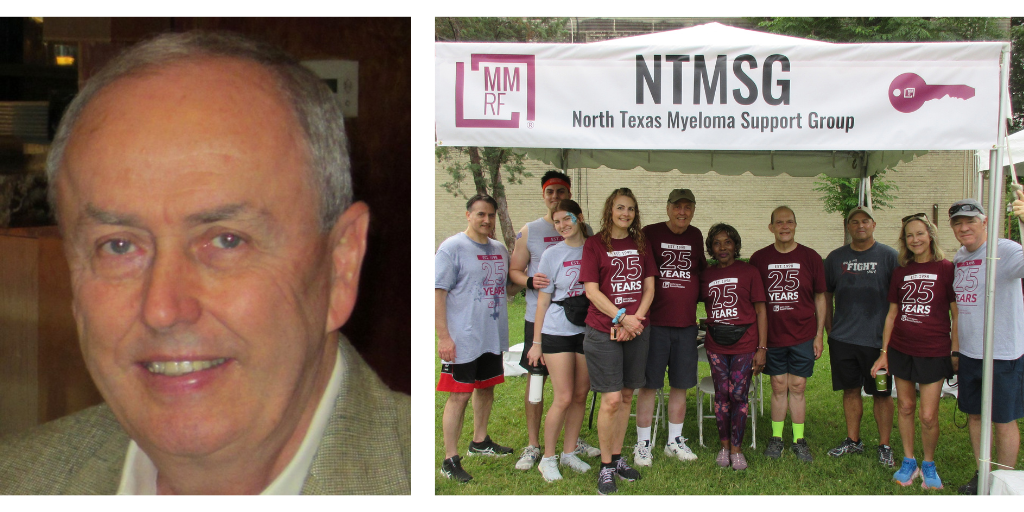
I was diagnosed with MGUS in June, 1993, but my primary care physician and my first three oncologists all led me to believe that I already had active multiple myeloma. Since I am a retired scientist, I began a continuing quest to educate myself about all things myeloma. That was greatly helped when I joined the North Texas Myeloma Support Group (NTMSG) in April 2004. This support group meets in Dallas monthly with patient sharing and guest speakers. In a very real sense, those support group members became a part of my extended family, and many are now good friends. I am now a technical resource to help find answers to questions from other support group members. My wife and I do not have any children. Our immediate and extended families all live at least 900 miles away. So, my Dallas support group is a significant part of my social family.
I became involved with the MMRF after discovering that they are a very good reputable resource for myeloma education. The more I learned, the more I was impressed with how professionally run, organized, and effective the MMRF seemed to be. I was especially impressed with the creation of the Multiple Myeloma Research Consortium (MMRC). The MMRC used critical business processes to accelerate the rapid initiation and completion of Phase 1 and 2 myeloma clinical trials by eliminating much of the prior competition to complete and publish research results individually. Each organization member specializes in what they do best and then shares the credit and quicker publication of results.
I was also very impressed with the MMRF CoMMpass study. It focused on mapping the genomic landscape of myeloma to understand patient subtypes and risk stratification and identify new targets. These results are available in the public domain for all myeloma researchers. It was the first study to identify twelve subtypes for myeloma related back to DNA alterations. This identified actionable DNA alterations for personalized treatment that became available in the MMRF MyDRUG clinical trial.
I was also impressed with the goals of the MMRF CureCloud study. This was one of the largest longitudinal data sets to collect myeloma patient information to help direct future myeloma research efforts. I participated in this CureCloud project.
I am a retired scientist formerly employed by a Johnson & Johnson company that manufactured hospital laboratory testing materials and human injectable products (derived from human blood). Therefore, I know the importance of clinical trial participation to get new myeloma treatments evaluated and FDA approved. For this reason, I have already participated in three clinical trials to do my part to help this process.
I feel that the MMRF does a particularly good job of efficiently using donated funds to produce very significant myeloma research knowledge results that are then put to practical use. A NTMSG member and friend, Patrick Beal, began organizing and captaining a team for the yearly MMRF Dallas Walk/Run fundraisers. I have always joined that MMRF fundraising team to support Patrick and that effort. For that reason, I consider this Spirit of Hope award to be a team effort. I give the credit to our North Texas Myeloma Support Group (NTMSG) MMRF 5K Walk/Run yearly fundraising teams. We tend to come in second or third most years in our fundraising success against much larger teams and organizations. This Spirit of Hope award acknowledges our team accomplishments in fundraising for such a worthwhile cause.
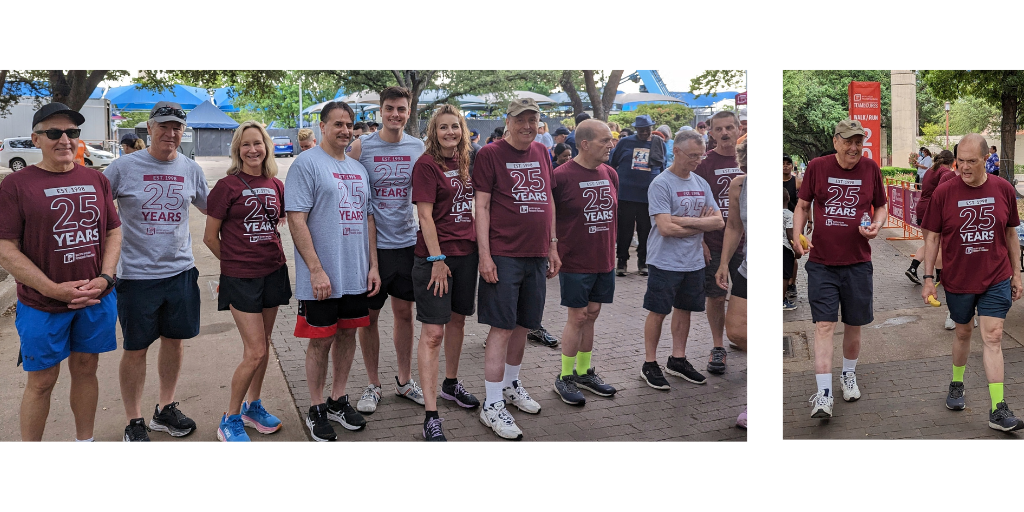
My personal philosophy for managing my myeloma mandates having hope, sharing the hope, and continuing education. Whatever happens, happens for a reason. Always remain positive about your life.
I take a lot of inspiration from Jim Valvano’s 3/4/1993 ESPY speech: “Cancer can take away all of my physical abilities. It cannot touch my mind, it cannot touch my heart, and it cannot touch my soul.” Valvano was an American basketball player, coach, and broadcaster. The motto for the Jimmy V Foundation for cancer research is “Don’t give up! Don’t ever give up!”
The MMRF is delighted to recognize Dennis McClure as the MMRF 2024 Walk/Run: Dallas Spirit of Hope Honoree. We encourage you to donate to his team the North Texas Myeloma Support Group (NTMSG)
This award is presented at every Walk/Run to a patient, caregiver, or family who inspires hope through their resilience, perseverance, and dedication to the MMRF and its mission.
Welcome to the second day of our recap of the latest findings on myeloma treatments reported at the American Society of Clinical Oncology (ASCO) meeting. Monday featured updates on treatment options for newly diagnosed multiple myeloma (NDMM) patients, including quadruplet therapies, CAR T-cell therapy, and bispecific antibody therapy. Let us break down the key findings for you…
Quadruplet Therapies for NDMM
Sarclisa (isatuximab)
While three-drug induction regimens (that is, those containing a proteasome inhibitor such as Velcade or Kyprolis, an immunomodulatory agent – typically Revlimid, and dexamethasone) were once standard for NDMM, recent clinical trials have shown a clear benefit to adding an anti-CD38 monoclonal antibody such as Darzalex (daratumumab) as first-line therapy for myeloma patients, particularly prior to stem cell transplant.
In the first abstract (Abstract: 7500), researchers from France reported that Sarclisa (isatuximab) is the first anti-CD38 monoclonal antibody to significantly improve progression-free survival (PFS)—that is, the length of time during and after treatment in which a patient is living with a disease that does not get worse— in combination with VRd for newly diagnosed patients who were ineligible for a stem cell transplant.
Findings from the phase 3 IMROZ trial showed Sarclisa in combination with Velcade (bortezomib), Revlimid (lenalidomide), and dexamethasone (Isa-VRd) followed by Sarclisa-Rd reduced the risk of recurrence or death by 40% versus VRd followed by Rd. The safety profile was consistent with previous studies of the combination of Isa-VRd. Further details of the study of 446 patients were simultaneously published in the New England Journal of Medicine (Facon T, NEJM 2024).
The second abstract (Abstract: 7501) that reported updates from the phase 3 BENEFIT study of Isa-VRd versus IsaRd in patients aged 65-79 years with NDMM who were determined to be ineligible for a stem cell transplant. Researchers from France evaluated the prolonged use of bortezomib for 18 months with reduced intensity weekly schedule versus IsaRd.
Results showed that Isa-VRd significantly increased the minimal residual disease (MRD) negativity—that is no disease was detected after treatment—to 53% compared to 26% of patients who were treated with IsaRd. This benefit was observed as early as 12 months and was consistent across various subgroups, including those with high-risk cytogenetics or stage III disease. These trial findings were simultaneously published in Nature Medicine (Leleu X, Nat Med 2024).
Findings from both of these studies further support the use of Isa-VRd as a new standard of care for patients with NDMM.
Darzalex (daratumumab)
In the next abstract (Abstract: 7502), researchers from Spain reported updated results from the Phase 3 PERSEUS study that showed the anti-CD38 monoclonal antibody Darzalex (daratumumab) in combination with Velcade (bortezomib), Revlimid (lenalidomide), and dexamethasone (D-VRd), followed by a maintenance regimen of subcutaneous Darzalex plus Revlimid (D-R) demonstrated superior PFS and increased depth of response compared to VRd induction and R maintenance in newly diagnosed patients.
The recent analysis showed deeper responses and higher rates of MRD over time in 355 patients treated with D-VRd + D-R compared to 354 patients treated with VRd + R.
The researchers reported that the rates of deep and sustained MRD negativity were associated with improved progression-free survival (PFS)—that is, the length of time during and after treatment in which a patient is living with a disease that does not get worse— with Darzalex-based quadruplet regimen in these patients.
Results from the primary analysis of the PERSEUS study were published earlier this year in The New England Journal of Medicine (Sonneveld P, 2024).
The authors concluded that these data further support D-VRd and D-R maintenance as a new standard of care for newly diagnosed patients.
CAR T-cell Therapy for NDMM
Carvykti (ciltacabtagene autoleucel)
The first abstract (Abstract: 7505) highlighted findings from an analysis of the CARTITUDE-2 study that evaluated Carvykti with or without Revlimid maintenance in patients who achieved less than CR after transplant ASCT and frontline therapy.
Researchers from France noted that a single infusion of Carvykti with or without Revlimid maintenance demonstrated deep and durable responses. Of the 17 patients treated with Carvykti 94% achieved an ORR, with 94% also achieving a CR or better. The safety profile was similar to prior trials of Carvykti with or without Revlimid maintenance. After 22 months median follow up, most common side effects were low white blood cell counts, cytokine release syndrome (CRS) or flu-like symptoms, neurotoxicity, and infections.
Further studies, with a median follow up greater than 2 years, will continue to examine the potential role of CAR T-cell therapy in frontline treatment of patients.
In the next abstract, Dr Luciano Costa and colleagues reported Abstract: 7504 that Carvykti as second-line therapy significantly improved PFS and deepened responses versus two standard therapies for patients with functional high-risk multiple myeloma—that is patients whose disease progressed either after the start of frontline treatment or 18 months following a transplant. This patient population is known to have poor prognosis, and yet has not been well represented in prior clinical trials.
Patients treated with Carvykti compared to the standard of care [that is, either Pomalyst (P) + Vd or Dara-Pd until disease progression] had higher overall response rates (90% vs 79%), complete response or better (71% vs 35%), and MRD negativity (63% vs 19%). Researchers noted that similar results were observed in functional high-risk patients.
CRS and neurotoxicity with Carvykti was comparable among other clinical trials of patients who received Carvykti versus standard therapies as second-line treatment. The researchers conclude that Carvykti could benefit patients with functional high-risk multiple myeloma.
Bispecific Antibody for NDMM
Tecvayli
Tecvayli is the first “off-the shelf” BCMA-targeted bispecific antibody approved for patients with heavily pretreated RRMM. In this abstract (Abstract: 7506), French researchers presented the first results of a single-arm (that is, no treatment comparison group) from the phase 3 MajesTEC-7 study that evaluated Tecvayli in combination with Darzalex and Revlimid (Tec-DR) in NDMM patients who were deemed ineligible for stem cell transplant. The authors reported an overall response rate for Tec-DR was 92%, with 73% achieving a very good partial response or better. Infections (96%) and CRS (62%) or flu-like symptoms, were the most common side effects reported—all of which resolved, according to the authors.
We look forward to additional data from this and other clinical trials investigating Tecvayli-containing regimens in the upfront treatment setting.
Small Molecules for NDMM
All-oral triplet: iberdomide, Ninlaro (ixazomib), and dexamethasone
Currently, DRd or VRd are considered standard treatment options for NDMM patients who were deemed ineligible for stem cell transplant. However, many elderly (that is, adults 70 years or more) or frail patients do not respond to upfront therapy and new treatment options with improved activity are needed.
Iberdomide is a novel, potent oral cereblon E3 ligase modulator (CELMoD™), which is similar to but more potent than Revlimid, with a dual function: activate the immune system and directly kill myeloma cells by inducing the destruction of proteins that drive cancer growth. In prior trials, iberdomide has demonstrated promising activity in MM patients refractory to Revlimid or Pomalyst.
In the final abstract (Abstract 7507), researchers from France presented their findings on an all-oral triplet iberdomide, Ninlaro (ixazomib), a proteasome inhibitor, and dexamethasone in elderly patients with myeloma after 1 prior line of therapy.
The researchers found that overall response rate was 65% and 52% did not experience disease progression one year after treatment with the all-oral regimen. Response rates and PFS were maintained in frail patients and those who were refractory to DRd or VRd. Most common side effects were low white blood cell counts, infections, and numbness or tingling in hands, arms, or feet.
Additional studies will continue to examine the potential role of an all-oral triplet regimen of iberdomide, Ninlaro, and dexamethasone in elderly or frail patients with myeloma after 1 prior line of therapy.
Be sure to tune in tomorrow for our final recap of clinical trial data presented at the annual ASCO meeting.
Welcome to the first day of our recap of the latest findings on myeloma treatments reported at the American Society of Clinical Oncology (ASCO) meeting that kicked off Friday in Chicago. This weekend gave us important updates on the use of Blenrep (belantamab mafodotin), a type of treatment called an antibody drug conjugate (ADC) that targets the protein BCMA, in patients with relapsed/refractory multiple myeloma (RRMM).
On Saturday, researchers from Spain presented from the phase 3 DREAMM-7 study that showed Blenrep in combination with Velcade (bortezomib) and dexamethasone (BVd) more than doubled progression-free survival (PFS), that is the time until disease progression, compared to Darzalex (daratumumab) in combination with Vd (36 vs 13 months). Results of the trial, which included 494 patients who had received 1 or more prior lines of therapy but no prior treatment with an anti-BCMA therapy, was simultaneously published in the New England Journal of Medicine (Hungria V).
Side effects of the BVd were consistent with previous clinical trials of individual agents. Most common side effects were low platelet counts (69%; 55% were severe grade), blurred vision (66%; 22% were severe grade), and dry eye (51%). Eye toxicity was generally reversible and manageable with dose modifications. Despite the higher incidence of eye toxicity in patients who received BVd, overall patient-reported health-related quality of life did not differ substantially between the treatment groups over time.
On Sunday, a late-breaking abstract (Abstract LBA105) presented by Canadian researchers showed Blenrep in combination with Pomalyst (pomalidomide) and dexamethasone (Pd). lowered the risk of disease progression or death by 48% compared to Velcade (bortezomib) + Pd Results of the phase 3 DREAMM-8 trial, which included 302 patients who have tried at least one prior line of therapy, including Revlimid (lenalidomide), were simultaneously published in the New England Journal of Medicine (Dimopoulos M, NEJM 2024).
Side effects of the combination of Blenrep with Pd (BPd) were consistent with previous clinical trials of Blenrep.
- Most common side effects were blurred vision (79%; 17% were severe grade), dry eye (61%), eye irritation (61%), foreign-body sensation in eyes (61%), eye irritation (50%), and low white blood cell counts (48%; 42% were severe grade).
- Eye toxicity led to treatment discontinuation in 9% of the patients treated with BPd group and in no patients treated with PVd.
Taken together, the results from the two clinical trials represent a second opportunity for Blenrep, which was taken off the US market in November of 2022 following the request of the U.S Food and Drug administration (FDA). This request was based upon the previously announced outcome of the DREAMM-3 phase 3 confirmatory trial which did not meet the requirements of the FDA Accelerated Approval regulations. Blenrep was originally granted accelerated approval in August 2020 by the FDA for relapsed/refractory patients who had received at least four prior treatments.
Results from these trials indicate that the original indication for Blenrep, which recommended administration once every three weeks at 2.5 milligrams per kilogram of body weight, had not been optimized for patients; these studies took a different approach, resulting in fewer side effects for patients. In DREAMM-8, the initial dose of Blenrep was the same, however subsequent doses were lowered to 1.9 milligrams per kilogram and administered every four weeks. Researchers noted that the dose reductions and the use of lubricating or moisturizing eye drops helped improve treatment outcomes in patients.
Stay tuned tomorrow for additional updates from trials evaluating treatment of patients with newly diagnosed and relapsed/refractory disease.
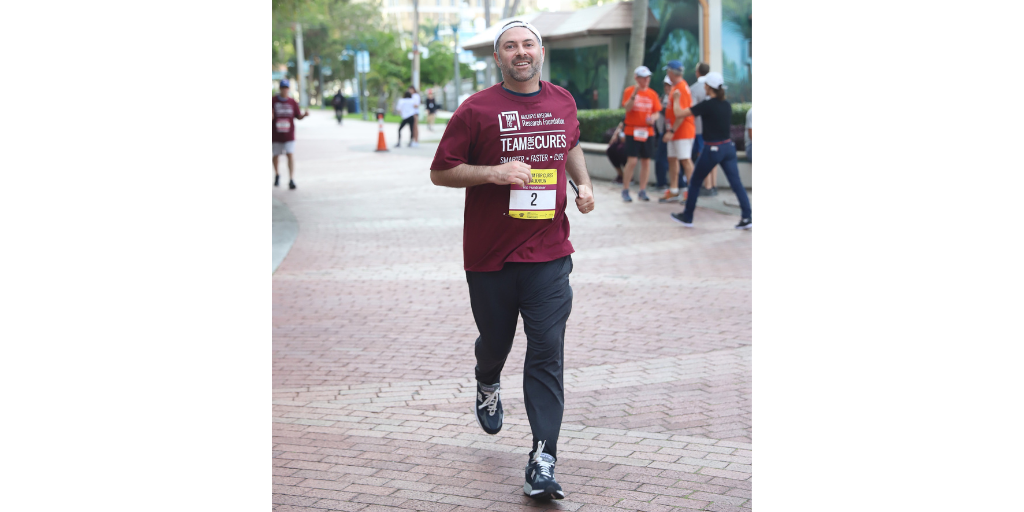
How did your team get involved with the MMRF?
My brother Ophire was 35 years old when he was diagnosed with multiple myeloma in September 2008. He was in contact with Kathy Giusti and found out about the 2016 MMRF Walk/Run 5K in Boca Raton. He fought long and hard for eleven years, flying back and forth to NY for treatment. He endured endless rounds of chemo, radiation, three stem cell transplants, six clinical trials, eight different drugs, and emergency spinal cord compression surgery.
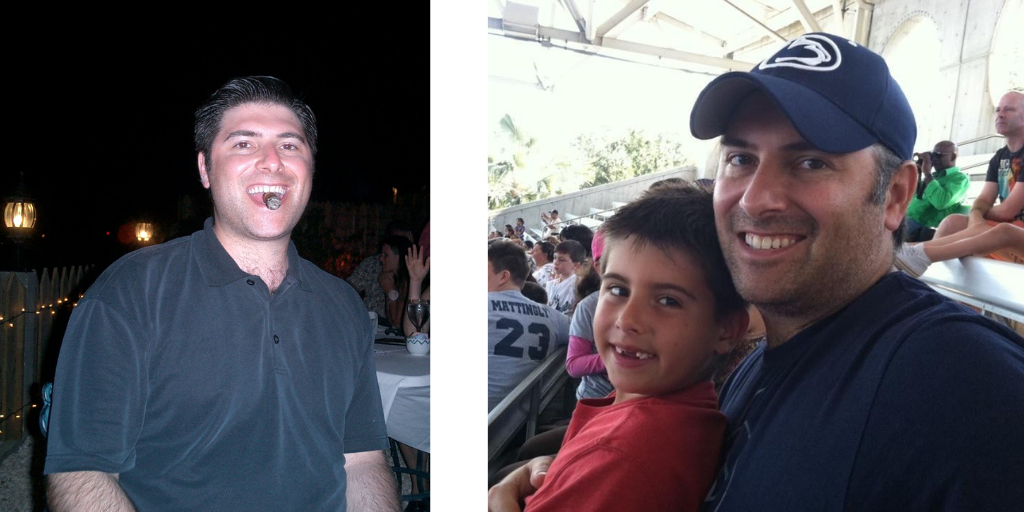
Why did your team choose to participate in the MMRF Walk/Run?
Ophire decided to become a “patient activist” to help advance the development of new drugs brought to market. He created No Fear Warrior to inspire hope and demonstrate the resilience of those who are alive and fighting MM. A large group of friends and family came out year after year to run and walk alongside him while he fought for his life. Ophire passed away surrounded by the love from his family and friends in January 2020 at 46 years old. Ophire didn’t die from myeloma; he died battling against myeloma. No Fear Warrior has continued to fundraise to keep his memory alive.
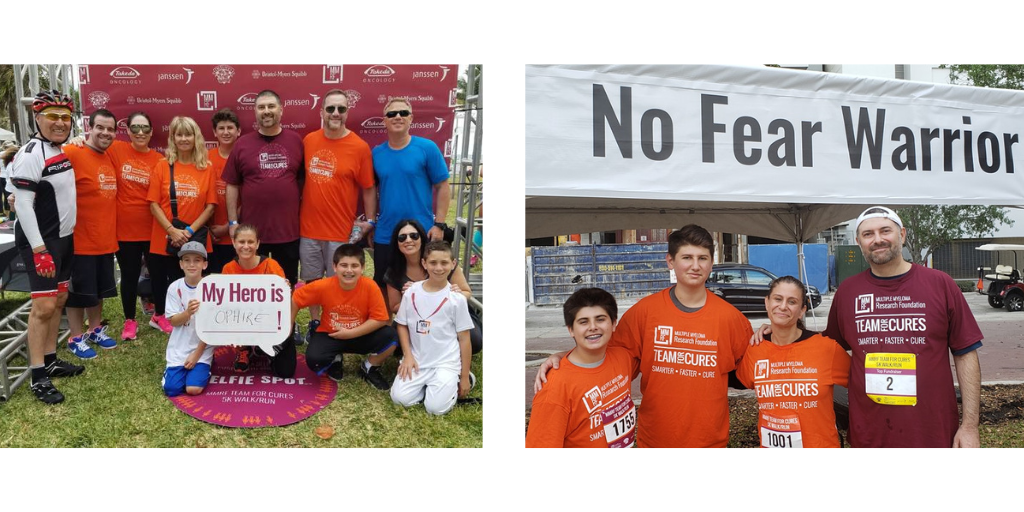
The Spirit of Hope is given to “individuals/groups who inspire hope and show extraordinary commitment to the MMRF.” What does being given the award mean to you and your team?
It is an honor for Ophire/No Fear Warrior to be recognized with this award. Receiving this award means that while Ophire is not with us, his spirit and memory lives on. We hope to carry the torch of inspiration and will continue to fight for a cure in our lifetime!
How has your team found perseverance in light of obstacles? Please share any stories that have given you strength.
God gives his toughest battles to his strongest warriors. Ophire was the most courageous, brave, man that I knew – he was a warrior that never gave up. He was an inspiration and touched so many lives with his positive attitude and zest for life. He had a 1000-watt smile that could light up a room. He was a respected leader in his profession and also had the ability to be your friend, which is very hard to do. In all my life, I’ve never heard anyone speak badly about Ophire. Everyone who knew him loved him.
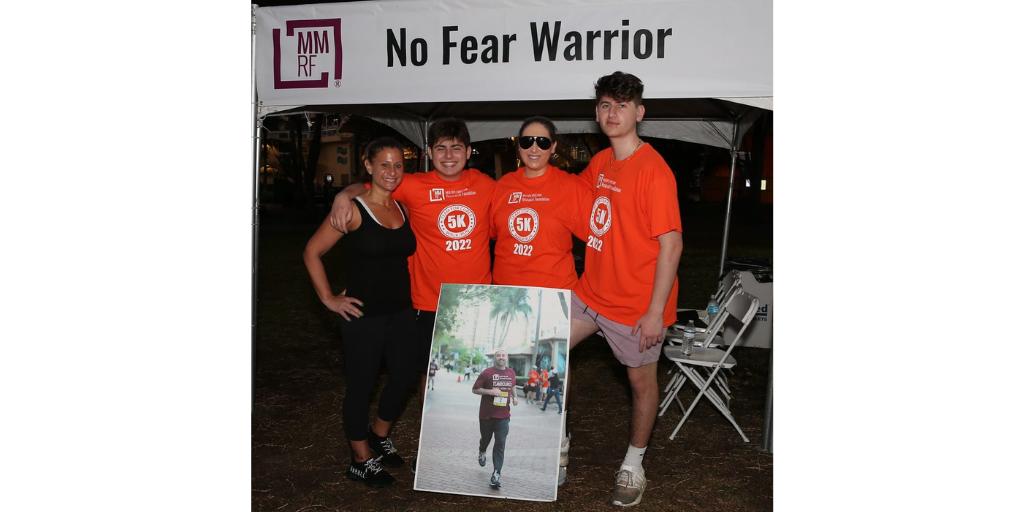
Does your team have a favorite mantra, quote, lyric that gives you strength?
Ophire’s signature in his email was initially “Attitude is a little thing that makes a big difference” and later “Life is good.” His Facebook cover had the quote “Never, never, never give up” by Winston Churchill.
Anything to Add?
We’re looking forward to meeting our family in Tampa this November to walk in Ophire’s memory and support the MMRF!
The MMRF is delighted to recognize Team No Fear Warrior In honor of Ophire Jericho as the MMRF Spirit of Hope Honoree at the 2024 MMRF Team for Cures: Tampa Walk/Run. Donate to their team today to accelerate a cure!
This award is presented at every Walk/Run to a patient, caregiver, or family who inspires hope through their resilience, perseverance, and dedication to the MMRF and its mission.