Welcome to the second day of our recap of the latest findings on myeloma treatments reported at the International Myeloma Society (IMS) meeting in Rio De Janeiro, Brazil. Today gave us important updates on new treatment combinations for newly diagnosed multiple myeloma (NDMM), particularly patients ages 65 years and older, as well as a new report on real-world experience with CAR T-cell therapy for relapsed/refractory multiple myeloma (RRMM).
Treatment Combinations for Patients with Newly Diagnosed Multiple Myeloma (NDMM)
Darzalex (daratumumab) + Velcade (bortezomib)/Revlimid (lenalidomide)/dexamethasone (D-RVd)
Several abstracts presented on Thursday highlighted recent findings on approved and investigational treatment combinations for patients with NDMM ages 65 years and older.
In the first abstract (Abstract OA–51) Dr. Nisha Joseph from Emory University and colleagues reported that adults ages 65 and older greatly benefited from D-VRd in the real-world (outside of a clinical trial), with 95% of patients living disease-free 4 years after treatment compared to 65% who received VRd. Their real-world analysis included 420 patients with NDMM ages 65 and older who received a stem cell transplant.
The researchers conclude that other studies have shown inconsistent results, their data reflecting real-world clinical practice suggests that these patients can and do benefit from the addition of daratumumab upfront.
Sarclisa (isatuximab) + RVd (Isa-RVd)
The second abstract (Abstract OA–52) researchers from France showed that adding weekly Velcade to Sarclisa plus Revlimid and dexamethasone (Isa-VRd) significantly increased the minimal residual disease (MRD) negativity (which means that no myeloma cells were detected) rate to 53% compared to 26% in patients who were treated with IsaRd (without Velcade). The BENEFIT study included 106 patients with NDMM ages 65-79 years who were not considered for a stem cell transplant. The findings further support Isa-VRd as a new standard of care for patients with NDMM who were deemed ineligible for a stem cell transplant, regardless of age.
Iberdomide
While adding Darzalex or Sarclisa to standard of care triplet combinations has emerged as the new standard of care for patients with NDMM, ongoing clinical trials continue to evaluate other novel first-line treatment strategies, particularly for adults ages 65 and older and individuals with kidney disease. In this study (Abstract OA–55) of 75 patients who were deemed ineligible for a transplant, researchers from Spain reported that iberdomide (a next-generation immunomodulatory agent related to Revlimid and Pomalyst) when combined with Darzalex and dexamethasone (IberDd) was highly effective and had a manageable safety profile. Infections (84%) and low white blood cell counts (80%) were the most common side effects reported and were mostly low-grade. The trial included mostly older patients (median patient age was 75 years) and almost half of patients had mild kidney disease. The authors conclude that these data further support the continued evaluation of iberdomide in patients with NDMM.
CAR T-cell Therapy in Earlier Lines of Therapy
Carvykti (ciltacabtagene autoleucel)
The final abstract (Abstract OA-11) presented by Dr. Surbhi Sidana from Stanford University and colleagues revealed long-term follow up results on 236 patients with relapse/refractory multiple myeloma (RRMM) who received Carvykti (ciltacabtagene autoleucel), one of the CAR T-cell therapies that is FDA-approved. One unique aspect of their analysis was that 54% of the patients would not have met eligibility criteria for CARTITUDE-1, a clinical trial that led to the approval of Carvykti. Among the patients in their analysis were 14% who had prior BCMA therapy (which is the same target for Carvykti) and 4% who received prior bispecific antibodies (another type of immunotherapy).
Dr. Sidana and colleagues reported high levels of response rates among patients and side effects similar to those reported previously. Cytokine release syndrome or flu-like symptoms, neurological side effects, and infections were the most common side effects observed. These findings support that patients who received prior BCMA therapy or bispecific antibody may benefit from Carvykti.
Stay tuned tomorrow for what will be the biggest day of clinical trial updates in the treatment of myeloma at IMS 2024.
Welcome to the first day of our recap of the latest findings on myeloma treatments reported at the International Myeloma Society (IMS) meeting that kicked off Wednesday in Rio De Janeiro, Brazil. Today gave us important updates on the several treatment combinations for first-line and maintenance therapy for patients with newly diagnosed multiple myeloma (NDMM).
First-Line Treatment Combinations for Patients with Newly Diagnosed Multiple Myeloma (NDMM)
Darzalex (daratumumab)
The Phase 3 PERSEUS study that showed that adding Darzalex (daratumumab) to Velcade (bortezomib), Revlimid (lenalidomide), and dexamethasone (D-VRd), which has become a standard of care in the US, followed by a maintenance regimen of Darzalex (by injection) plus Revlimid (D-R) led to impressive results with more than 90% of patients with standard risk disease having no disease progression after more than 4.5 years. Patients with high-risk disease also had incredibly promising results, further indicating that this is a standard for all patients. Results from the primary analysis of the PERSEUS study were published earlier this year in The New England Journal of Medicine (Sonneveld P, 2024).
With regards to the high-risk patient population, this abstract (Abstract OA-48), researchers from Greece reported updated efficacy findings in 709 NDMM patients with chromosomal abnormalities who received either D-VRd or VRd. Chromosomal abnormalities are widely accepted markers for high risk of poor prognosis in patients with multiple myeloma, such as the presence of deletion of chromosome 17p [del(17p)], translocation of chromosomes 4 and 14 [t(4;14)], translocation of chromosomes 14 and 16 [t(14;16)], and either gain or amplification of chromosome 1q21. To learn more about high-risk myeloma and chromosomal abnormality terminology please see our FAQ blog here and our biomarkers infographic here.
Their analysis confirms the strength of this combination as a standard of care for patients with NDMM, regardless of cytogenetic status.
Sarclisa (isatuximab)
On September 20 the Food and Drug Administration expanded the label of Sarclisa (isatuximab-irfc) to include treatment with VRd for NDMM patients. The FDA approval was based on the IMROZ trial of 446 patients; updated results were presented at the IMS Meeting.
In this abstract (Abstract OA-53), researchers from Germany presented findings from a long-term study with 153 high-risk patients (regardless of ASCT status) who received Sarclisa, Kyprolis, Revlimid, and dexamethasone (Isa-KRd) up to 6 years ago. Patients with high-risk multiple myeloma were defined by ISS stage 2 or 3 and any of del17p, t(4;14), t(14;16), or 3 or more copies of 1q21 (amp1q21). Patients with these high-risk characteristics may have a shorter survival rate than other patients when treated with older regimens. These results were encouraging for high-risk patients with survival rates exceeding 70% at four years and 60% at six years, which is in line with survival rates for all patients.
Long-term follow-up results from this trial suggest that Isa-KRd may be an alternative treatment regimen to Dara-VRd, particularly for patients with high-risk disease.
Blenrep (belantamab mafodotin)
Researchers from Spain presented data (Abstract OA-64) from an early phase trial that showed Blenrep (belantamab mafodotin) in combination with VRd (Bela-VRd) was safe and effective as first-line treatment for patients with NDMM who were eligible for an ASCT. In this study, 50 patients received Bela-VRd as first-line therapy, followed by ASCT, and then maintenance therapy with Revlimid until disease progression or toxicity and Blenrep for two years.
Eye toxicity such as blurred vision and dry eye were the most common side effects with Bela-VRd treatment. Patients who experienced these side effects were given a lower dose of Blenrep and the side effects tended to resolve quickly, while patients continued to respond to treatment. This early data continues to build evidence for the utility of Blenrep as a treatment option for patients once available.
Maintenance Therapy
Iberdomide
Maintenance therapy with Revlimid (lenalidomide) is the standard of care following induction therapy and ASCT; however, all patients are at risk of relapse following transplantation, and up to 30% stop Revlimid maintenance therapy due to intolerable side effects. Thus, new treatment options with improved activity and tolerability are needed for maintenance therapy.
Iberdomide is a novel, potent oral cereblon E3 ligase modulator (CELMoD™), which is like but more potent than Revlimid, with a dual function: activate the immune system and directly kill myeloma cells by inducing the destruction of proteins that drive cancer growth.
Findings from a small, early phase clinical trial of 11 patients reported (Abstract OA-50) that iberdomide maintenance therapy following ASCT showed an improvement in response over time in patients who received Revlimid plus either Velcade or Kyprolis/PI-based induction with or without Darzalex or Sarclisa and high-dose chemotherapy with stem cell transplant (ASCT) The most common serious side effects observed with iberdomide were low blood cell counts, infections, and fatigue.
Dr Tanya Wildes from the University of Nebraska and colleagues conclude that iberdomide may represent an alternative to current standard of care Revlimid maintenance therapy strategy. Iberdomide is currently being studied (versus Revlimid) as maintenance therapy following ASCT in a phase 3 trial.
Stay tuned tomorrow for additional updates on quadruplet regimens for newly diagnosed disease and real-world evidence on CAR T-cell therapy for relapsed/refractory multiple myeloma.
- Findings reinforce the value of the MMRF’s integrated clinical and translational research expertise to provide a deeper understanding of multiple myeloma and improve how the disease is treated
- The MMRF CoMMpassSM Study was cited in 17 abstracts, highlighting how MMRF-led collaborations yield important insights that drive progress in patient care
- Data on the MMRF’s educational programs showcase how its programs positively impact patient engagement and empowerment to improve outcomes
Norwalk, Conn., September 25, 2024 – The Multiple Myeloma Research Foundation (MMRF) announced today new data from two posters and two oral presentations to be shared at the 21st International Myeloma Society (IMS) Annual Meeting, being held in Rio De Janeiro, Brazil, September 25-28, 2024.
“Since its inception, the MMRF has been powering research and fueling breakthroughs and discoveries that enable us to improve how we treat multiple myeloma,” said George Mulligan, Ph.D., Chief Scientific Officer of the MMRF. “The breadth of our data shared at the IMS meeting reinforce the value of our integrated clinical and translational capabilities. Our unbiased, patient-centric approach allows us to focus on the most important research to improve patient survival. We are pleased that two MMRF abstracts have been selected for presentation in the 2nd abstract session on Wednesday and will be described by MMRF’s Senior Scientist, Dr. Chaitanya “Chuck” Acharya.”
Data presented by the MMRF highlights recent progress in our decades of work to improve outcomes and ultimately cure multiple myeloma.
The first talk by Dr. Acharya will describe immune data from 263 patients enrolled in the MMRF CoMMpassSM Study, highlighting features of immune malfunction in newly diagnosed myeloma. This highly collaborative multi-center project, called an “Immune Atlas” of myeloma, provides unique insights into disease development and treatment outcomes. The other oral presentation provides an update on the MMRF’s MyDRUGSM clinical trial. In this innovative precision medicine trial, the MMRF partnered with eight different biopharma companies to test targeted therapies in specific, tumor mutation-defined groups of patients. Research on associated patient bone marrow samples revealed the effects of the drug on both the tumor and immune cells. Together these presentations highlight MMRF’s unique leadership across important, highly collaborative research studies that bridge clinical and translational specialties.
Other scientific data being shared include:
- An analysis exploring the potential of blood tests to serve as a less invasive method than the traditional bone marrow biopsy to monitor immune changes to treatment, and for discovering new, more practical biomarkers to understand a patient’s outcome
- An analysis of longitudinal follow-up with patients who participated in MMRF educational programs, showing high rates of empowerment and improved communication with their healthcare team
- Data from the MMRF CoMMpass Study, the largest and most complete clinical and molecular dataset in multiple myeloma, are cited in a total of 17 abstracts, reinforcing the enduring value of this real-world translational study for the global research community. With over 1,100 patients across 76 clinical sites, CoMMpass is the most influential and impactful study ever done to advance our understanding of myeloma disease biology.
MMRF Oral Presentation Details
Title: A single-cell atlas of bone marrow immune microenvironment characterizes dysregulation associated with multiple myeloma outcomes
Date & Time: September 25, 2024, 11:30 a.m. BRT (Abstract Session 2)
Presenter: Chaitanya Acharya, Ph.D., PSM, Senior Scientist, Translational Research, MMRF
Title: Single-cell analyses of bone marrow immune microenvironment in RRMM subjects treated with MEK1/2 inhibitors reveal IRF1-mediated IFN/PDL1 signaling axes
Date & Time: September 25, 2024, 12:18 p.m. BRT (Abstract Session 2)
Presenter: Chaitanya Acharya, Ph.D., PSM, Senior Scientist, Translational Research, MMRF
MMRF Poster Details
Title: T-cell receptor repertoire analysis of blood and bone marrow samples from multiple myeloma patients
Date & Time: September 25, 2024, 12:30 p.m. BRT
Presenter: Chaitanya Acharya, Ph.D., PSM, Senior Scientist, Translational Research, MMRF
Title: Empowering multiple myeloma patients impact of MMRF® education programs and results of patient outcomes
Date & Time: September 27, 2024, 12:00 p.m. BRT
Presenter: Anne Quinn Young, MPH, Chief Mission Officer, MMRF
About Multiple Myeloma
Multiple myeloma is a cancer of the plasma cells that develops in bone marrow. It is the second most common blood cancer in the U.S., with 35,750 new cases and 12,590 deaths estimated to occur this year. New targeted agents and therapies have resulted in better outcomes, but most multiple myeloma patients eventually relapse.
About CoMMpassSM
The MMRF CoMMpassSM Study is a collaboration with 76 clinical centers and 1,100 patients with active multiple myeloma, who enrolled at diagnosis and were followed for at least eight years. The study maps patients’ tumor genomic profile to clinical outcomes with the goal of developing a more complete understanding of both disease biology and the patient’s response to treatments. With its inclusion in more than 200 published or presented studies, CoMMpass represents the largest longitudinal genomic dataset in multiple myeloma and has led to groundbreaking discoveries that have transformed how researchers understand the biology of the disease. The MMRF continues to support the use of this resource and makes the CoMMpass data available to other researchers globally.
About the Multiple Myeloma Research Foundation (MMRF)
The Multiple Myeloma Research Foundation (MMRF) is the largest nonprofit in the world solely focused on accelerating a cure for each and every multiple myeloma patient. We drive the development and delivery of next-generation therapies, leverage data to identify optimal and more personalized treatment approaches, and empower myeloma patients and the broader community with information and resources to extend their lives. Central to our mission is our commitment to advancing health equity so that all myeloma patients can benefit from the scientific and clinical advances we pursue. Since our inception, the MMRF has raised over $600 million for research, opened nearly 100 clinical trials, and helped bring 15+ FDA-approved therapies to market, which have tripled the life expectancy of myeloma patients. To learn more, visit www.themmrf.org.
—
Media Contact:
Adam Silverstein
Scient PR
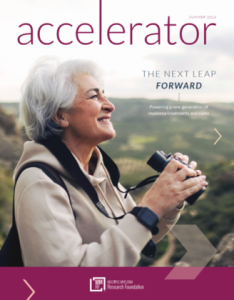
- Read about updates on our groundbreaking research initiatives, including the HORIZON Clinical Trials Program
- Learn about exciting new investments by the Myeloma Investment Fund®
- And so much more…

How did you get involved with the MMRF?
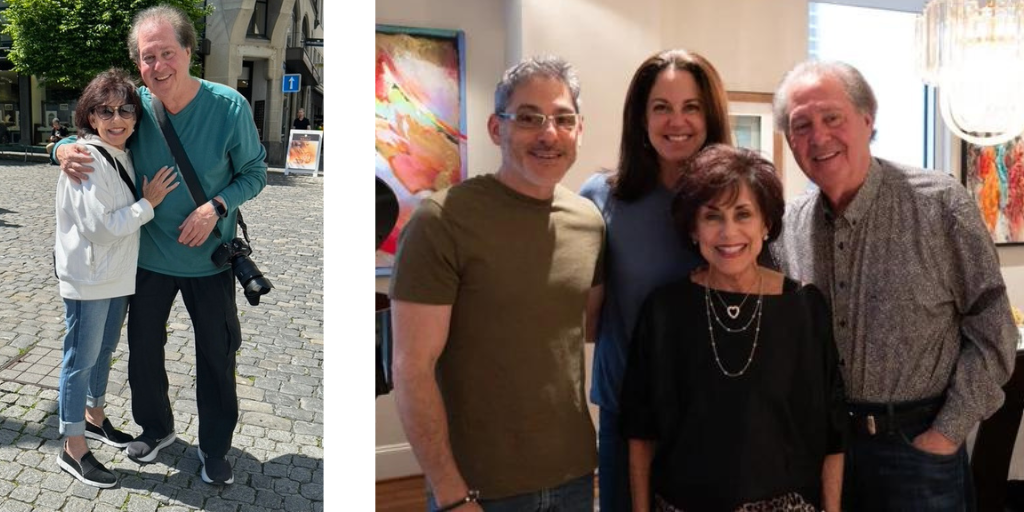
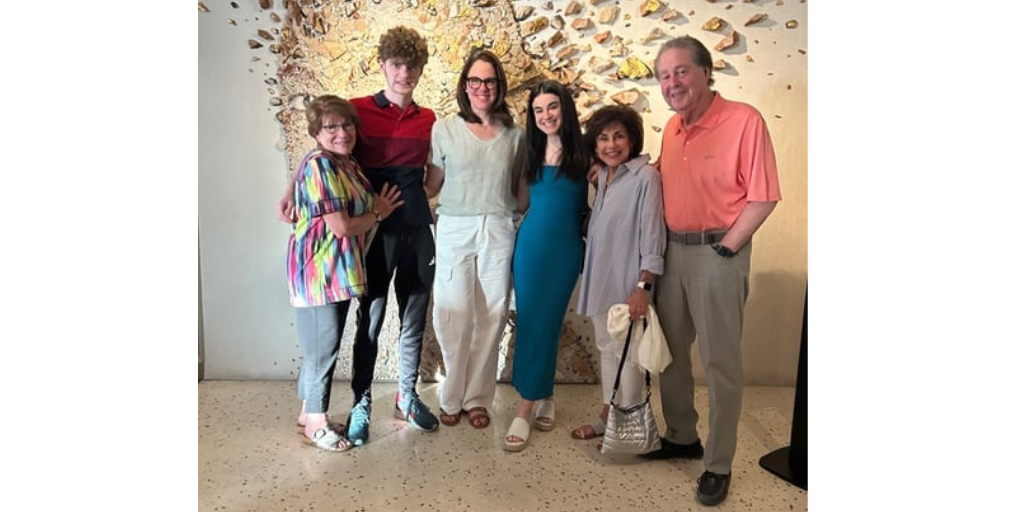
When I was diagnosed in 2006, we had never heard of multiple myeloma, but had several doctors in our lives who suggested we research it. We found the MMRF. The MMRF was a tremendous resource and helped us answer many questions and find where the best treatment would be. And thanks to the great support, I was treated at the Myeloma Institute for Research & Therapy at the University of Arkansas for Medical Sciences. And now, in a full circle moment, my daughter, Pam, is working with the MMRF as the Vice- President of Development!
Why did you choose to participate in the MMRF Walk/Run?
It’s very important for me to do things to give back since I feel so blessed to be cured. And because of monies that have been raised over the years for research, more and more people will have more treatment options.
The Spirit of Hope is given to “individuals/groups that inspire hope and show extraordinary commitment to the MMRF.” What does being given the award mean to you?
After the initial shock of being diagnosed and not knowing what the outcome would be, I am very honored to be able to stand on the stage and say thank you to those who have supported me and others who are on this same journey. Hope and faith were a part of my journey, which was centered on my family, friends, children, and grandchildren. I share this hope and honor with the doctors, nurses, and researchers who were a part of my world and will never be forgotten.
How have you found perseverance in light of obstacles? Please share any stories that have given you strength.
One of my nurses told me that the body is born well—it is always working hard to not be sick. It is fighting every day for you to be the best that you can be!! Even when you lose your hair, the medicine is doing its job, too!!! Focus on the thing/things that make you the happiest!!
Whenever I was scared or feeling uneasy, Dr. Barlogie always held my hands, looked me straight in the eye, and said, “Don’t worry, we’re going to take very good care of you.”

Do you have a favorite mantra, quote, lyric that gives you strength?
No, but the psychologist I worked with always said when you wake up, go into the bathroom, look in the mirror, and acknowledge the day and how you are feeling. Then put on your lipstick, put on your hat, and notice that you are dressed (“put your battle gear on”) and ready for the day.
Anything to add?
For everything they have done, I want to thank my medical team in Little Rock, my Houston oncologist Dr. Susan Escudier, my friends, my precious family (especially my sister Judy), Dr. Paul Gerson, and most of all, my husband Richard. And, in gratitude, I now volunteer as a mentor to other patients who have been diagnosed with myeloma to help them on their journey.
The MMRF is delighted to recognize Susan Speer as the MMRF Spirit of Hope Honoree at the 2024 MMRF Walk/Run: Houston. Donate to Susan’s MMRF Walk/Run page to accelerate a cure today!

This award is presented at every Walk/Run to a patient, caregiver, or family who inspires hope through their resilience, perseverance, and dedication to the MMRF and its mission.
SAN FRANCISCO, Cali., August 26, 2024 — Opna Bio announced that it has dosed the first patient with OPN-6602, a potent and selective EP300/CBP bromodomain inhibitor, in a Phase 1 clinical study in multiple myeloma. The first patient was dosed at The START Center for Cancer Research in Grand Rapids, Michigan with Dr. Andrew Sochacki, principal investigator, leading the study team.
OPN-6602 is an oral, small molecule inhibitor of the E1A binding protein (EP300) and CREB-binding protein (CBP). Through EP300/CBP inhibition, OPN-6602 down regulates expression of IRF4 and MYC, two transcription factors that drive growth of multiple myeloma cells. Preclinical data presented at the American Association of Cancer Research (AACR) 2024 Annual Meeting showed that OPN-6602 significantly reduced tumor growth as a single agent (71% tumor growth inhibition) in the OPM-2 human multiple myeloma cell xenograft model as well as increased anti-tumor activity (>100% tumor growth inhibition) in combination studies. For more information, please visit opnabio.com.
- This MMRF-led collaborative initiative is the largest single sequencing study of multiple myeloma patients to date
- CoMMpass findings provide an unprecedented, clearer definition of patients at highest risk of rapid disease progression and identification of actionable therapeutic targets
- Data demonstrate that patients often transition to a high-risk subtype at progression
Norwalk, Conn., August 19, 2024 – The Multiple Myeloma Research Foundation (MMRF) announced today a new publication on the CoMMpass SM study in Nature Genetics that defines distinct subtypes and identifies high-risk genetic markers of multiple myeloma. These CoMMpass data represent the largest and most complete clinical and molecular dataset in multiple myeloma.
“Despite efforts to understand the molecular basis of multiple myeloma, predicting patient outcomes and identifying high-risk patients has remained a challenge,” said Sagar Lonial, M.D., FACP, lead author and Chief Medical Officer at Winship Cancer Institute of Emory University and Professor and Chair, Department of Hematology and Medical Oncology at Emory University School of Medicine. “This research is another example of how CoMMpass – by offering an unparalleled genomic map of multiple myeloma – answers key questions about the disease and enables us to improve how we treat patients.”
The CoMMpass study united 76 clinical sites across four countries, enrolling 1,143 multiple myeloma patients and studying them for at least eight years after diagnosis. CoMMpass is one of few studies to enroll patients that reflect the United States population, with a self-reported ancestry of 80.6% Caucasian and 17.5% Black; this enables important research into causes of the significantly increased incidence of myeloma in the Black community.
“We recognized the critical need for comprehensive longitudinal data to truly understand the natural history of multiple myeloma, especially in a real-world setting where such data is scarce,” said Michael Andreini, President and CEO of MMRF. “As an organization that’s spent more than 25 years fiercely committed to changing the trajectory of multiple myeloma, we were the only ones positioned to build a truly collaborative initiative that could unite the multiple myeloma community and deliver the scale necessary to produce these types of scientific findings. We’re grateful to the clinical investigators at all the sites, and especially the patients who helped us accelerate this important research.”
The collaborative research, led by investigators from MMRF, Emory University, and the Translational Genomics Research Institute (TGen), comprehensively describes the subtypes of multiple myeloma, identifying a high-risk patient population that is associated with a median survival of less than two years versus the average survival rate that exceeds eight years. Of those with additional genomic data at disease progression, just over 25% transitioned to a rapid growth high-risk category and then had worse outcomes, with a median survival of only 88 days.
“The data show that advanced molecular diagnostics, using whole genome and RNA sequencing, were found to be better predictors of disease behavior than current staging systems,” said Jonathan Keats, Ph.D., Assistant Professor, Director of Bioinformatics and Collaborative Sequencing Center at TGen, and a senior author on the paper. “With a better understanding of the primary molecular features driving different subtypes of multiple myeloma and the identification of high-risk patients at both diagnosis and progression, we have an understanding of targets and pathways that will inform efforts to optimize the treatment of all multiple myeloma patients.”
About Multiple Myeloma
Multiple myeloma is the second most common blood cancer in the U.S., with 35,750 new cases and 12,590 deaths estimated to occur this year. New targeted agents and therapies have resulted in better outcomes, but most multiple myeloma patients eventually relapse.
About CoMMpassSM
The MMRF CoMMpass study is a collaboration with clinical centers and patients with active multiple myeloma, who enrolled at diagnosis and were followed for at least eight years. The study maps patients’ tumor genomic profile to clinical outcomes with the goal of developing a more complete understanding of both disease biology and the patient’s response to treatments. With its inclusion in more than 200 published or presented studies, CoMMpass represents the largest longitudinal genomic dataset in multiple myeloma and has led to groundbreaking discoveries that have transformed how researchers understand the biology of the disease. The MMRF continues to support the use of this resource and makes the CoMMpass data available to other researchers globally.
About the Multiple Myeloma Research Foundation (MMRF)
The Multiple Myeloma Research Foundation (MMRF) is the largest nonprofit in the world solely focused on accelerating a cure for each and every multiple myeloma patient. We drive the development and delivery of next-generation therapies, leverage data to identify optimal and more personalized treatment approaches, and empower myeloma patients and the broader community with information and resources to extend their lives. Central to our mission is our commitment to advancing health equity so that all myeloma patients can benefit from the scientific and clinical advances we pursue. Since our inception, the MMRF has committed over $600 million for research, opened nearly 100 clinical trials, and helped bring 15+ FDA-approved therapies to market, which have tripled the life expectancy of myeloma patients. To learn more, visit www.themmrf.org.
Media Contact:
Adam Silverstein
Scient PR
LOS ANGELES, Cali., August 6, 2024 — Nammi Therapeutics, Inc. (Nammi) announces a $1M investment commitment by the Myeloma Investment Fund (MIF) in a $30M Series B financing round prior to the planned start of a first-in-human Phase 1 study of their lead program, QXL138AM, in patients with locally advanced unresectable and/or metastatic solid tumors and multiple myeloma.
QXL138AM is a Masked Immunocytokine (MIC) comprised of a masked interferon alpha (IFNa) fused to an antibody that targets the CD138 protein on the surface of the tumor cells. Once QXL138AM binds to the tumor cell, proteases on the cell surface cleave the mask off of the IFNa allowing it to bind its receptor. Activation of the IFNa receptor complex induces direct killing of tumor cells in addition to activating innate and adaptive anti-tumor immunity. Preclinical data has demonstrated significant anti-tumor efficacy across more than 10 tumor types, including multiple myeloma where complete regression at doses as low as 0.1 mg/kg have been observed. Nammi has secured Orphan Drug Designation in multiple myeloma from the FDA based on the strength of this data.
“While the multiple myeloma field has greatly benefitted from development of bispecific and cell therapies, there unfortunately remains a significant need for novel therapeutics such as QXL138AM,” said David Stover, Ph.D., President and CEO of Nammi. “We are very excited to partner with MIF and the Multiple Myeloma Research Foundation (MMRF) and leverage their expertise to accelerate the development of QXL138AM. Together, we will work to realize the potential of this therapy to improve the lives of patients with multiple myeloma.”
With this investment by MIF, Nammi anticipates the $30M Series B financing round will be fully subscribed upon its closing when the first patient has been treated with QXL138AM.
“Nammi’s innovative technology and its application in multiple myeloma is an important step for the myeloma patient community,” said Michael Andreini, President and CEO of the Multiple Myeloma Research Foundation. “Advancing new therapeutic options for patients is the most critical task-at-hand, so we are thrilled to support Nammi’s Phase-1 trial to learn the potential of this exciting new immunotherapy approach.”
About Nammi Therapeutics, Inc.
Nammi Therapeutics, Inc. is an immuno-oncology company based in Los Angeles that is developing platforms and products that selectively activate anti-tumor immunity within the tumor microenvironment while minimizing systemic activation. By reducing systemic activation of the immune system, Nammi expects to improve safety and enhance the ability to combine multiple immune modulators. In addition to the MIC platform, Nammi has also developed a nanoparticle platform to deliver Immune Modulating Prodrugs (IMPs) using their Nammisome technology. Multiple Nammisome clinical candidates have also been selected for development. For more information visit www.nammirx.com or email [email protected].
About the Myeloma Investment Fund (MIF)
The Myeloma Investment Fund is a venture philanthropy fund that invests in promising companies, clinical assets, and technologies in oncology to drive the development of new therapies for multiple myeloma. The MIF collaborates closely with portfolio companies to help them advance multiple myeloma research. This evergreen fund is supported entirely by philanthropy; all profits will be reinvested back into research for more effective treatments until there is a cure for every patient. For more information, visit www.myelomainvestmentfund.org
About the Multiple Myeloma Research Foundation (MMRF)
The Multiple Myeloma Research Foundation (MMRF) is the largest nonprofit in the world solely focused on accelerating a cure for each and every multiple myeloma patient. We drive the development and delivery of next-generation therapies, leverage data to identify optimal and more personalized treatment approaches and empower myeloma patients and the broader community with information and resources to extend their lives. Central to our mission is our commitment to advancing health equity so that all myeloma patients can benefit from the scientific and clinical advances we pursue. Since our inception, the MMRF has committed over $600 million for research, opened nearly 100 clinical trials, and helped bring 15+ FDA-approved therapies to market, which have tripled the life expectancy of myeloma patients. To learn more, visit www.themmrf.org
For MMRF or MIF media inquiries, please contact: Anna Otis, Manager, Brand Marketing, [email protected]
Several presentations at this year’s American Society of Clinical Oncology (ASCO) Annual Meeting and European Hematology Association (EHA) 2024 Hybrid Congress featured new data from multiple myeloma (MM) studies. In many cases, the emerging data indicate promising outcomes associated with newer treatment approaches, including CD38-targeting monoclonal antibodies, chimeric antigen receptor (CAR) T-cell therapy, bispecific antibodies (bsAbs), and antibody–drug conjugates (ADCs).
Quadruplet Regimens Incorporating a CD-38 mAb in the Frontline Setting: Consistent Efficacy and Acceptable Safety Becoming Standard of Care – FDA Decisions Awaited
Results from several trials support the use of isatuximab (isa) or daratumumab (dara) in combination with bortezomib, lenalidomide, and dexamethasone (VRd), representing a new standard of care (SoC) for newly diagnosed MM (NDMM).
Isatuximab-VRd
Data from the phase 3 IMROZ study of NDMM patients were presented at both ASCO and EHA (and published in the New England Journal of Medicine). Overall, 446 patients underwent randomization (median age, 72; range, 55-80). Thierry and colleagues reported that isa-VRd significantly improved progression-free survival (PFS), with a median PFS not reached vs 54.3 months for VRd (HR [hazard ratio] 0.596, 98.5% confidence interval [CI] 0.406–0.876, P=0.0005). The projected median PFS approached 90 months. In addition, complete response (CR) rates and minimal residual disease (MRD) negativity were higher in the isa-VRd group. Sustained MRD negativity at 10-5 by next-generation sequencing (defined as MRD negative for ≥12 months) favored isa-VRd over VRd (46.8% vs 24.3%; P<0.0001). MRD negativity was associated with improved PFS in both treatment groups, but to a lesser extent in patients treated with VRd (similar survival benefit in patients with sustained MRD negativity). Serious adverse events (AEs) were reported in 70.7% of patients receiving isa-VRd and 67.4% of those receiving VRd. The incidence of grade ≥3 infection was 44.9% with isa-VRd and 38.1% with VRd (for both groups, incidence was lower in patients who received antibiotic prophylaxis than in those who did not).
These data are now under review with the FDA to support a new indication for isatuximab in combination with VRd for the treatment of adult transplant-ineligible NDMM patients. A decision is expected in the fall of 2024.
The phase 3 GMMG-HD7 trial of isatuximab, presented at EHA, also supported use of isa-VRd followed by autologous stem cell transplant (ASCT) in NDMM patients. Interim results showed that patients receiving Isa-VRd after transplantation had significantly higher rates of very good partial response [VGPR] or better (82.8% vs 68.7%; OR 2.19, 95% CI 1.49–3.23, P<0.0001) and CR or better (43.5% vs 34.0%; OR 1.5, 95% CI 1.08–2.07, P=0.013) compared to those receiving VRd without isatuximab. Additionally, MRD negativity rates were significantly higher in the isa-VRd group (66.2% vs 47.7%; OR 2.13, 95% CI 1.56–2.92, P<0.001).
Daratumumab Plus VRd
The phase 3 PERSEUS trial evaluated the addition of daratumumab to VRd vs VRd alone in NDMM patients. The study found that the addition of daratumumab was associated with a higher rate of CR or greater and MRD negativity at various depths and time points compared to VRd alone; for example, MRD negativity at 10-6 at 36 months was 63.9% vs 30.8%, P<0.0001, respectively. Sustained MRD negativity for ≥12 months was also higher in the dara-VRd group. More patients (who remained MRD positive following consolidation therapy) in the dara-VRd group than the VRd group achieved MRD negativity at 10-6 (62.3% vs 31%; P<0.0001) with maintenance therapy. Sustained MRD negativity (at 10-6 for 12 months) was 34.4% in patients receiving dara-VRd and 12.7% in patients receiving VRd (P<0.0001).
According to Sonneveld and colleagues, “these data further support dara-VRd followed by dara-R maintenance as a new SoC for patients with NDMM and highlight the benefit of daratumumab in maintenance.”
These data are now under review with the FDA to support a new indication for daratumumab in combination with VRd for induction and consolidation treatment and with lenalidomide (dara-R) for maintenance treatment of adult NDMM patients. A decision is expected in the summer of 2024.
Ongoing Studies Support the Use of the Approved CAR T-Cell Therapies Ciltacabtagene Autoleucel (cilta-cel) and Idecabtagene Vicleucel (ide-cel) in Relapsed/Refractory Multiple Myeloma (RRMM)
CARTITUDE Updates
Data from two CARTITUDE cohorts showed a benefit for cilta-cel. CARTITUDE-4 evaluated cilta-cel vs SoC in patients with functional high-risk (FHR) MM after 1–3 prior lines of therapy; FHR was defined as the development of progressive disease within 18 months of receiving ASCT or the start of initial frontline therapy. In a subgroup analysis, cilta-cel significantly improved PFS compared to SoC in FHR patients (median PFS not reached vs 12 months, HR 0.27, 95% CI, 0.1–0.6, P=0.0006). Additionally, cilta-cel resulted in a higher rate of ≥CR (68% vs 39%, OR 3.3, 95% CI 1.3–8.4). These findings support the use of cilta-cel in high-risk MM and demonstrated a manageable safety profile.
Likewise, in the CARTITUDE-2 cohort, Roeloffzen and colleagues evaluated cilta-cel with or without lenalidomide maintenance in patients with NDMM and a suboptimal response (<CR) to ASCT. At a median follow-up of 22 months, 80% (12/15) of patients with MRD-evaluable disease achieved MRD negativity at 10-5, with a 94% overall response rate (≥CR, 94%). PFS and overall survival (OS) rates at 18 months were 94%. Treatment-emergent AEs (TEAEs) included neutropenia (94%), lymphopenia (65%), and cytokine release syndrome (CRS) in 82% of patients, all grade 1/2.
According to the researchers, these data “show promising efficacy and safety with cilta-cel with or without lenalidomide maintenance in patients… who achieved a [suboptimal response] after ASCT frontline therapy.”
Idecabtagene Vicleucel
The KarMMa-2 Cohort 2B phase 2 study evaluated ide-cel in patients who had functional high-risk MM (those who relapsed within 18 months of first-line therapy without undergoing ASCT). The results indicated that ide-cel provides deep, durable responses with a manageable safety profile in high-risk patients with early relapse MM. In 31 patients treated, the ORR was 94% (95% CI 79%–99%), with a 71% CR rate. High MRD negativity rates were observed at 12 and 24 months in patients achieving partial response or better. The median duration of response (DOR) was not reached, with a 24-month DOR rate of 65%; PFS rates were 70% at 12 months and 63% at 24 months. Grade 3/4 AEs were reported in 94% of patients, primarily neutropenia (94%) and thrombocytopenia (35%), but no grade ≥3 CRS or neurotoxicity was observed.
The DESCAR-T registry evaluated outcomes in RRMM patients who experienced early progression after ide-cel therapy. The study highlights the need for better prognostic factors for ide-cel and suggests that bsAbs, particularly those targeting different antigens, may improve outcomes for patients relapsing early on after ide-cel. In 221 patients, 79 relapsed, with a median time to relapse of 5.5 months. The median OS from the first subsequent antimyeloma therapy was 8.4 months, and PFS was 2.6 months. Patients with early relapse (≤6 months) had worse outcomes, with a median PFS of 2.5 months vs 7.8 months for later relapse (P=0.041) and a median OS of 5.4 months vs not reached for later relapse (P=0.053). Patients receiving bsAbs showed a higher median PFS (3.8 months) compared to other therapies (1.8 months, P=0.008), with anti-GPRC5D bsAbs showing better outcomes than anti-BCMA bsAbs. According to the researchers, patients relapsing after Ide-cel had a poor outcome even with the use of bsAbs.
“This reinforces the need for better prognostic factors to select patients before ide-cel. In case of early relapse after ide-cel, our results seem to favor the use of a bsAb, especially directed against a different target than BCMA.”
Investigational CAR T-Cell Therapies: Early-Stage Studies in RRMM and NDMM Show High ORRs and Common but Manageable AEs, Particularly CRS and Neurotoxicity
Novel CAR T-cell therapies reported on—including zevorcabtagene autoleucel (zevor-cel), a fully human anti-BCMA CAR T-cell therapy—demonstrated high ORRs and deep remissions in the LUMMICAR01 phase 2 study. A fully humanized approach may result in reduced immunogenicity and increased persistence relative to murine therapy. Another anti-BCMA CAR T-cell therapy, anitocabtagene autoleucel (anito-cel), demonstrated significant efficacy and manageable toxicity in the iMMagine-1 phase 1 study. A third agent, OriCAR-017, which targets GPRC5D, showed a 100% ORR and an excellent safety profile in the phase 1 Polaris study.
| CAR T cell agent | Zevo-cel | Anito-cel | OriCAR-017 |
| Target | BCMA | BCMA | GPRC5D |
| Study | Phase 2 LUMMICAR-1 | Phase 1 iMMagine |
Phase 1 POLARIS |
| No. patients | 102 | 38 | 10 |
| Median no. prior therapies (range) | 4 (3-15) | 4 (3-16) | 5.5 (3-17) |
| Efficacy | |||
| ORR (%) | 92.2 | 100 | 100 |
| Responses (%) | 71.6, sCR/CR 19.6, VGPR |
76, sCR/CR 16, VGPR |
80, sCR 20, VGPR |
| MRD negativity rate (%) | 100 in sCR/CR (at 10-5) | 89 in evaluable pts (at 10-5) | 100 (threshold NR) |
| Median DOR (mos) | NR | Not reached | 10.43 |
| PFS | NR | 92%, 6 mo 76%, 12 mo 64%, 18 mo 56%, 24 mo |
Median 11.4 (mos) |
| Side effects | |||
| CRS, all grades (grade 3/4), % | 90.2 (6.9) | 95 (3) | 100 (0) |
| Neurotoxicity/ICANS, all grades (grade 3/4), % | 2 (0) | 18.4 (5.3) | 0 (0) |
NR, not reported
Also presented were data on novel CAR T-cell agents being evaluated in NDMM following induction therapy: GC012F is an autologous BCMA and CD19 dual-targeting CAR-T therapy that uses the FasTCAR-T platform, enabling next-day manufacturing rather than the standard 9–14 days. Another agent, eque-cel, is a fully human BCMA-targeting CAR-T therapy, evaluated in the FUMANBA-2 study.
| CAR T-cell agent | GC012F (FasTCAR-T) | Eque-cel |
| Target | BCMA × CD19 | BCMA |
| Study | Phase 1 | Phase 1 FUMANBA-2 |
| No. patients | 22 | 16 |
| Patient population | HR NDMM | HR NDMM |
| High-risk features | 91%, R-ISS stage II or III 55%, EMD 32%, 1q21 ≥4 copies 9%, IgD subtype |
37.5%, R-ISS stage III 25%, EMD 62.5% double-hit cytogenetics 12.5% triple-hit |
| Efficacy | ||
| ORR (%) | 100 | 100 |
| Responses (%) | 95.5, sCR | 93.8, sCR/CR |
| MRD negativity rate (%) | 100 (at 10-6) | 100 (at 10-5) |
| Median DOR (mos) | Not reached | Not reached |
| PFS | 95.45%, 18 mo | 93.8%, 6 mo 84.4%, 12 mo |
| Side effects | ||
| CRS, all grades (grade 3/4), % | 27 (0) | 68.8 (0) |
| Neurotoxicity, all grades (grade 3/4), % | 0 (0) | 0 (0) |
HR, high risk
Approved BsAbs Studies Focused on Safety Issues and Long-Term Responses
Currently, the bsAbs approved for MM include elranatamab (CD3 × BCMA), talquetamab (CD3 × GPRC5D), and teclistamab (CD3 × BCMA), which are the preferred options for RRMM after at least four prior therapies. All three bsAbs carry boxed warnings for CRS and neurologic toxicity, including immune effector cell-associated neurotoxicity syndrome (ICANS).
Prophylactic Tocilizumab May Help Prevent CRS
Long-term follow-up of the MajesTEC-1 study found that prophylactic tocilizumab effectively reduced CRS incidence, supporting its potential use for outpatient teclistamab administration. In 24 RRMM patients, the incidence of CRS was reduced to 25% (all grade 1 or 2), compared to 72% in the overall study population. The median time to CRS onset was 2 days, and all CRS events resolved without leading to teclistamab discontinuation. The ORR was 73%, with 59% achieving ≥VGPR. No new safety signals were observed.
Likewise, the phase 2 OPTec study evaluated the use of prophylactic tocilizumab to reduce CRS in RRMM patients receiving teclistamab in an outpatient setting. In an initial cohort of 5 patients, no grade ≥3 CRS or neurotoxicity (ICANS) events were observed, indicating that prophylactic tocilizumab may mitigate the CRS risk associated with teclistamab. The study continues to enroll patients to further evaluate the safety and efficacy of this approach.
Teclistamab Safety
Results from the phase 3 MajesTEC-7 study in NDMM patients ineligible for or not intending to undergo ASCT showed a manageable safety profile and promising early efficacy for teclistamab in combination with daratumumab and lenalidomide. In 26 patients, 92.3% remained on treatment with a median follow-up of 10.2 months. TEAEs occurred in all patients, with 84.6% experiencing grade 3/4 TEAEs. Common grade 3/4 TEAEs included neutropenia (50%), febrile neutropenia (19.2%), infections (30.8%). CRS occurred in 61.5% of patients (all grade 1) and ICANS in 1 patient. The ORR was 92.3%, with 73.1% achieving ≥CR.
Elranatamab in RRMM
Data from the MagnetisMM-3 study indicate that monotherapy with the BCMA-targeting bsAb elranatamab provides deep, durable responses and favorable long-term survival in patients with heavily pretreated RRMM. In 123 BCMA-naïve patients, the ORR was 73.1% for those with 2–3 prior lines of therapy and 57.7% for those with ≥4 prior lines. The median PFS was not reached for patients with 2–3 prior lines of therapy and 13.3 months for those with ≥4 prior lines. The median OS was 24.6 months, with higher survival rates in patients with fewer prior therapies.
At ASCO, a “trials in progress” update was presented regarding the upcoming MagnetisMM-32 phase 3 study, which will compare the efficacy of elranatamab vs SoC in this patient population. Standard therapies are elotuzumab, pomalidomide, dexamethasone (EPd); pomalidomide, bortezomib, dexamethasone (PVd); and carfilzomib plus dexamethasone (Kd). The study population will include approximately 492 RRMM patients who have received prior anti-CD38 therapy. The primary end point will be PFS, and the key secondary end point will be OS.
More BsAb Treatment Options May Become Available for Heavily Pretreated RRMM Patients in the Near Future
Several investigational bsAbs are being evaluated in RRMM; studies were presented on cevostamab, ABBV-383, and linvoseltamab.
Cevostamab
Cevostamab appears to have promising efficacy and a manageable safety profile in heavily pretreated RRMM patients. Cevostamab, an investigational bsAb targeting FcRH5 and CD3, was evaluated in the CAMMA 2 phase 1/2 study. Patients with RRMM were triple-class refractory and had received prior BCMA-targeted ADC or CAR T-cell therapy. In 21 patients, the ORR was 67%, with 38% achieving ≥VGPR. Patients previously treated with an ADC had an ORR of 60%; those with prior CAR T-cell therapy had an ORR of 73%. Grade 3–4 AEs occurred in 62% of patients, primarily neutropenia (38%), anemia (29%), and thrombocytopenia (24%). CRS occurred in 71% of patients, all grade 1–2.
ABBV-383
ABBV-383, which targets BCMA × CD3, was evaluated in a phase 1 study of 220 RRMM patients who had received ≥3 prior lines of therapy. The dose of 60 mg every 4 weeks, considered optimal, demonstrated an ORR of 65% and a VGPR rate of 50%. CRS was reported in 43% of patients at this dose, with mostly grade 1 events. Grade 3/4 neutropenia, anemia, and thrombocytopenia were observed in 14%, 24%, and 10% of patients, respectively. Grade 3/4 infection occurred in 34%. The findings suggest that 60 mg Q4W ABBV-383 is effective and has a manageable safety profile, warranting further investigation.
Linvoseltamab
Linvoseltamab, a BCMA × CD3 bsAb, also showed promising efficacy and a manageable safety profile in heavily pretreated RRMM patients. Patients treated with a 200-mg dose (N=117) showed an ORR of 71%, with 62% achieving a ≥VGPR and 46% achieving ≥CR. The median DOR was not reached, with a 12-month probability of maintaining response at 78% for all responders and 92% for those with ≥CR. Median PFS and OS were also not reached, with 12-month probabilities of 69% for PFS and 75% for OS. CRS was reported in 46% of patients, primarily grade 1–2. These results are also published in the Journal of Clinical Oncology. The target action date for the FDA’s decision regarding linvoseltamab is August 22, 2024.
Revisiting Belantamab Mafodotin: Promising Results From Two Phase 3 Studies
Though the ADC belantamab mafodotin (belamaf) was withdrawn in November 2022, it remains under investigation in two phase 3 studies (DREAMM-7 and DREAMM-8). Belamaf was withdrawn after it did not meet the primary end point of having a PFS superior to pomalidomide plus dexamethasone in the DREAMM-3 trial. However, the latest trial data show significant PFS benefits compared to standard treatments in RRMM patients. Based on these new positive trial data, belamaf will be submitted to the FDA for potential re-approval in the US market by the end of 2024.
DREAMM-7
Results were presented at EHA from the phase 3 DREAMM-7 study, which compared belamaf with daratumumab, both in combination with bortezomib and dexamethasone (ie, BVd vs dara-Vd), in RRMM patients who had received ≥1 line of therapy. These results were also published in the New England Journal of Medicine.
In 494 patients, BVd significantly improved PFS with a median PFS of 36.6 months vs 13.4 months for DVd (HR 0.41, 95% CI 0.31–0.53, P<0.00001). The ORR was higher with BVd (82.7%) than with dara-Vd (71.3%). Median DOR was 35.6 months for BVd vs 17.8 months for dara-Vd. Grade 3/4 AEs were more frequent in the BVd arm (90%) than in the dara-Vd arm (67%), with serious AEs reported in 50% and 37% of patients, respectively. Ocular AEs were more frequent with BVd than dara-Vd (79% vs 29%). Grade ≥3 ocular AEs included blurred vision, dry eyes, and cataract. Significant changes in visual acuity occurred in 34%. These findings suggest that BVd may have potential for becoming a new SoC for RRMM, demonstrating significant efficacy and a manageable safety profile.
Another update from DREAMM-7, presented at ASCO, also suggested that BVd has potential in RRMM, particularly for patients with high-risk genomic alterations (those with ≥1 of t[4;14], t[14;16], or del[17p13]). In the intent-to-treat population of 494 patients, BVd showed greater benefit in lenalidomide-refractory patients (median PFS 25.0 vs 8.6 months, HR 0.31, 95% CI 0.19–0.48) and those with high-risk cytogenetics (median PFS 33.2 vs 10.5 months, HR 0.31, 95% CI 0.18–0.52).
DREAMM-8
Data from the phase 3 DREAMM-8 study support the combination of belamaf plus pomalidomide and dexamethasone (BPd) as another potential SoC, offering significant PFS benefits and deeper, more durable responses. The findings are also now published in the New England Journal of Medicine. The DREAMM-8 study compared BPd with pomalidomide, bortezomib, and dexamethasone (PVd) in RRMM patients who had received at least one prior line of therapy including lenalidomide. In 302 patients, BPd significantly improved PFS compared to PVd (NR vs 12.7 months, HR 0.52, 95% CI 0.37–0.73, P<0.001). The ORR was 77% with BPd vs 72% with PVd, and the rate of ≥CR was 40% vs 16%, respectively. AEs were manageable, with grade 3/4 ocular AEs (blurred vision, dry eye, and foreign body sensation) more frequent in the BPd arm (43% vs 2%).
New Agents in MM That May Be Useful for Some Patients: Iberdomide, A Novel Cereblon E3 Ligase Modulator, and Venetoclax, a BCL-2 Inhibitor
Iberdomide was investigated as a part of a fully oral regimen in combination with the proteasome inhibitor ixazomib and dexamethasone in older patients. Another study in RRMM patients evaluated venetoclax or pomalidomide in combination with dexamethasone in patients with t(11;14), the most common chromosomal translocation in MM, associated with an overexpression of the BCL-2 protein.
Iberdomide, Ixazomib, and Dexamethasone in Older Patients
Findings reported from the Phase 2 IFM study suggest that the all-oral iberdomide, ixazomib, and dexamethasone (I2D) regimen may be an effective and manageable treatment option for older MM patients at first relapse, including those refractory to prior lenalidomide and daratumumab therapy. In 70 patients with a median age of 76, the ORR was 64%, with 33% achieving a VGPR. The median PFS was 13 months, and the 12-month OS was 85% (95% CI 77%–95%). In patients who were refractory to both lenalidomide and daratumumab, the median PFS was 10 months. The regimen was well tolerated, with common grade 3–4 AEs being neutropenia (46%), thrombocytopenia (9%), and infection (8%).
Venetoclax-Dexamethasone
A biomarker subgroup analysis of the phase 3 CANOVA study suggests that venetoclax-dexamethasone (VenDex) may be more effective than pomalidomide-dexamethasone (PomDex) in patients with high BCL2 gene expression or gain(1q). Patients with amp(1q) did not benefit from either treatment.
—
Jointly provided by the MMRF and RedMedEd.
Support for this activity has been provided through sponsorships from Pfizer Inc, and Sanofi US and by an education grant from Janssen Biotech, Inc., administered by Janssen Scientific Affairs, LLC.
NORWALK, Conn., July 29, 2024 — The Myeloma Investment Fund (MIF), the Multiple Myeloma Research Foundation’s (MMRF) venture philanthropy subsidiary, today announced an investment in Envisagenics, a biotechnology company at the forefront of RNA splicing technology.
“The potential of its innovative RNA-based platform and A.I.-fueled technology could pave the way for promising new treatments for the myeloma community,” said Michael Andreini, President and CEO at the Multiple Myeloma Research Foundation.
Utilizing advanced artificial intelligence and machine learning, Envisagenics is discovering and developing novel RNA-based therapeutics to address critical unmet need in multiple myeloma.
“In multiple myeloma, aberrant RNA splicing leads to the production of disease-specific epitopes that can be used as drug targets, allowing for targeted elimination of cancer cells while sparing healthy cells. At Enivsagenics, we are leveraging our SpliceCore platform, which combines a proprietary database of 14 million splicing events with A.I. and machine learning to identify multiple myeloma-specific targets to develop novel immunotherapies,” said Maria Luisa Pineda, Ph.D., co-founder and CEO of Envisagenics. “We are pleased to welcome the Myeloma Investment Fund and the Multiple Myeloma Research Foundation as investors. Their extensive network and scientific expertise will enable us to accelerate the discovery and development of novel treatments specifically tailored to multiple myeloma and other cancers.”
About the Myeloma Investment Fund (MIF)
The Myeloma Investment Fund is a venture philanthropy fund that invests in promising companies, clinical assets, and technologies in oncology to drive the development of new therapies for multiple myeloma. The MIF collaborates closely with portfolio companies to help them advance multiple myeloma research. This evergreen fund is supported entirely by philanthropy; all profits will be reinvested back into research for more effective treatments until there is a cure for every patient. For more information, visit www.myelomainvestmentfund.org
About the Multiple Myeloma Research Foundation (MMRF)
The Multiple Myeloma Research Foundation (MMRF) is the largest nonprofit in the world solely focused on accelerating a cure for each and every multiple myeloma patient. We drive the development and delivery of next-generation therapies, leverage data to identify optimal and more personalized treatment approaches and empower myeloma patients and the broader community with information and resources to extend their lives. Central to our mission is our commitment to advancing health equity so that all myeloma patients can benefit from the scientific and clinical advances we pursue. Since our inception, the MMRF has committed over $600 million for research, opened nearly 100 clinical trials, and helped bring 15+ FDA-approved therapies to market, which have tripled the life expectancy of myeloma patients. To learn more, visit www.themmrf.org
For MMRF or MIF media inquiries, please contact: Anna Otis, Manager, Brand Marketing, [email protected]