
The U.S. Food and Drug Administration (FDA) has approved Zenbexus (iberdomide), in combination with Darzalex® (daratumumab) and dexamethasone, for patients whose multiple myeloma has returned after one or more previous treatments.
Zenbexus is a type of treatment called a CELMoD, or cereblon E3 ligase modulator. It works differently from other commonly used myeloma treatments and gives patients another option when their myeloma returns.
Zenbexus is a pill taken by mouth, offering patients the convenience of taking this part of their treatment at home rather than having to visit a cancer center to receive it.
Here’s what you should know about Zenbexus, including how it works and where it may fit into a treatment plan.
What is Zenbexus?
Zenbexus is a new type of treatment called a CELMoD. It is related to commonly used myeloma medicines such as Revlimid® (lenalidomide) and Pomalyst® (pomalidomide) but is designed to fight myeloma in a new and more powerful way. Zenbexus directly targets myeloma cells while also helping the immune system better recognize and attack them as well.
Zenbexus is also being studied in other areas of myeloma, including as maintenance therapy and in combination with other immune-based treatments. These studies will help researchers and clinicians better understand where CELMoDs may fit across each patient’s treatment journey.
Why Zenbexus is convenient for patients
One important feature of Zenbexus is that it is taken orally (by mouth).
Myeloma treatment can require frequent trips to a cancer center or clinic for injections, infusions, laboratory testing, and other appointments. Over time, all of those visits cost patients and caregivers significant time and money.
Because Zenbexus is taken by mouth, the medication itself does not require an infusion or injection, offering greater flexibility and less disruption in a patient’s daily life.
This may be particularly meaningful for patients who:
- Live far from a myeloma treatment center or specialist
- Have difficulty traveling for care or affording transportation
- Rely on a caregiver for transportation or support
- Are balancing treatment with work, family, or other responsibilities
- Prefer an oral medication when it is medically appropriate
It is important to remember that Zenbexus is approved as part of a combination regimen with Darzalex (daratumumab) and dexamethasone, so patients will still need regular clinic visits to receive Darzalex. However, because Zenbexus itself is taken at home, it may reduce the number of treatments that need to be administered by injection or infusion in the clinic compared with some other treatment combinations.
What are Zenbexus’s side effects?
Like all myeloma treatments, Zenbexus can cause side effects, and patients should discuss its potential benefits and risks with their healthcare team.
Reported side effects of Zenbexus include:
- Infections
- Anemia
- Fatigue
- Diarrhea
- Nausea
Keep your healthcare team informed about any side effects you experience. Having a plan for what to watch for, who to contact, and when to reach out can help your care team address side effects early and support you throughout treatment.
What you can do now
If your myeloma has returned or stopped responding to treatment, consider talking with your healthcare team about whether Zenbexus may be an option for you.
Questions you may want to ask your doctor include:
- Am I eligible for treatment with Zenbexus
- How often would I need to come to the clinic while receiving this combination?
- How and when would I take Zenbexus at home?
- What side effects should I watch for between appointments?
- How might this treatment fit with my daily routine and my work, travel, or caregiving needs?
- How will my care team monitor whether the treatment is working?
With more treatment options, like CELMoDs, patients and their care teams have more opportunities to consider not only how well a treatment may work, but also how it may fit into a patient’s life.
The MMRF Patient Navigation Center can provide one-on-one guidance to help you understand treatment options and prepare for conversations with your care team. The MMRF Education Hub also offers resources to help patients and caregivers learn more about multiple myeloma treatments and make informed decisions throughout the myeloma journey.
For patients with multiple myeloma, managing the disease often involves balancing effective treatment with the demands it places on their time, energy, and overall quality of life. That’s why today’s approval of subcutaneous (under-the-skin) delivery of Sarclisa® (isatuximab-irfc) using an on-body delivery system (OBDS) is a positive development for many patients and caregivers.
Subcutaneous Sarclisa is now approved for:
- For some patients whose myeloma has returned or stopped responding to treatment, in combination with Pomalyst® (pomalidomide) and dexamethasone after treatment with Revlimid® (lenalidomide) and a proteasome inhibitor, such as Velcade® (bortezomib) or Kyprolis® (carfilzomib).
- For patients with relapsed or refractory myeloma, in combination with Kyprolis® and dexamethasone after one to three prior lines of therapy.
- For certain patients with newly diagnosed myeloma who are not eligible for a stem cell transplant, in combination with Velcade®, Revlimid®, and dexamethasone.
Here, the MMRF highlights what this news means and why it matters for patients.
A Different Way to Receive Treatment
Sarclisa is a CD38 monoclonal antibody that is given through an intravenous (IV) infusion, meaning the medication is delivered directly into a vein over several hours at a clinic or hospital. It is in the same class of treatments as Darzalex® (daratumumab), and they are often used interchangeably.
With the new subcutaneous (SC) on-body delivery system, the medication is delivered just under the skin through a wearable device placed on the body, similar to how an insulin pump works.
This can mean:
- Shorter treatment times: SC on body delivery takes significantly less time than IV infusions, which can last several hours.
- Fixed dosing: Instead of dosing based on body weight, the SC version uses a fixed dose, simplifying preparation and administration.
- Smaller volume: The amount of fluid delivered is lower, which can make the experience more comfortable.
- Less time in the clinic: This can mean fewer disruptions to a patients’ day and more time spent at home or doing the things they enjoy.
For many patients, this shift could make treatment feel less burdensome and more manageable.
Does Subcutaneous On Body Delivery Work as Well as IV Infusion?
The answer comes from several clinical trials, including a phase 3 study known as IRAKLIA. This study was designed to test whether subcutaneous Sarclisa delivered through the on-body device worked just as well (non-inferior) as the traditional IV infusion (typically approved for newly diagnosed patients or those who have relapsed after at least two other therapies). Here were the top findings:
- The SC version performed just as effectively as the IV version in terms of the percentage of patients who responded to either treatment
- Overall side effects were comparable between SC and IV delivery.
- Some patients receiving SC treatment experienced more localized reactions at the injection site (such as redness or mild discomfort).
- On the other hand, infusion-related reactions, which are more common with IV treatments, may be reduced with SC delivery.
In short, the SC on body delivery option showed no difference in effectiveness versus the IV treatment.
What Did Patients Think?
For many patients, how a treatment fits into daily life is just as important as how well it works, and results from the phase 3 IRAKLIA study suggest that subcutaneous Sarclisa delivered via an on-body device is viewed positively.
In IRAKLIA, 70 percent of patients receiving subcutaneous Sarclisa were satisfied or very satisfied, compared with about 53 percent of those receiving IV treatment. In addition, quality-of-life findings indicated that patients treated with the on-body delivery system reported better overall quality of life than those receiving IV infusions.
These results suggest that subcutaneous Sarclisa may offer a more convenient and patient-friendly treatment experience, while maintaining the effectiveness of IV therapy.
Looking Forward
One of the exciting possibilities in this news is what this technology could mean for the future. Because the on-body delivery system is designed to be wearable and relatively simple to use, there is potential for at-home administration down the line. While this is not standard practice yet, it raises an important question:
Could patients one day receive their treatment in the comfort of their own home?
For now, treatment is still given under medical supervision, but this innovation opens the door to more flexible care models in the future.
What You Can Do Now
If you or a loved one are receiving Sarclisa, it may be worth talking to your healthcare team about whether this new option is appropriate for your treatment plan. Here are some helpful questions to ask:
- Is a subcutaneous, on-body delivery system an option for me?
- How would switching from IV to subcutaneous treatment change my time in the clinic and overall experience?
- What side effects should I expect with the subcutaneous option, and how do they compare to IV treatment?
In addition to your care team, the MMRF Patient Navigation Center can offer support in answering these questions and give one‑on‑one guidance tailored for you. The MMRF Education Hub also offers additional materials to help better understand treatment options and navigate you along your myeloma journey.
This past weekend, the 2026 European Hematology Association (EHA) Congress brought together researchers, physicians, and patient advocates from around the world to share the latest advances in blood cancer research. As one of the largest hematology meetings globally, EHA provides an important opportunity to learn how new therapies are performing in clinical trials and how treatment strategies continue to evolve for multiple myeloma patients.
Below are the MMRF’s key takeaways from this conference.
Some of the most important myeloma studies were highlighted at both ASCO and EHA
One theme that stood out at EHA 2026 was the number of high-profile myeloma studies that were presented there and at the American Society of Clinical Oncology annual meeting a few weeks prior. While each meeting attracts a different international audience, seeing the same studies featured at both conferences underscores how much attention these findings are generating throughout the global myeloma community.
When research is selected for presentation at multiple major scientific meetings, it is often a sign that investigators, clinicians, and industry leaders view the findings as particularly important and potentially practice changing. While longer follow-up is still needed for many of these studies, they continue to generate significant interest because of their potential to address unmet needs across the myeloma journey.
Among the studies highlighted at both meetings were:
- Elrexfio® (elranatamab) for high-risk smoldering multiple myeloma (SMM): Researchers continue to explore whether treating high-risk SMM before symptoms develop can delay or prevent progression to active myeloma. Early findings suggest bispecific antibodies such as Elrexfio may have a role much earlier in the disease course. The response rate was very high and there were no unexpected side effects.
- Tecvayli® (teclistamab) in early relapsed/refractory myeloma: The phase 3 MajesTEC-9 study is evaluating whether Tecvayli can improve outcomes compared with commonly used standard treatment combinations in patients whose disease has returned as early as their first relapse. Results showed giving Tecvayli alone delayed the time until the disease returned and extended survival. As bispecific antibodies move earlier in treatment, studies like this may help define their future role in myeloma care.
- KLN-1010 and in vivo CAR T-cell therapy: Researchers presented additional data on this investigational therapy, which is designed to create CAR T-cells directly inside the body as opposed to removing them and re-infusing them after the T-cells have been re-engineered. This approach has generated excitement because it could simplify treatment, reduce barriers to access, and potentially make CAR T available to more patients in the future.
For a more detailed review of these studies, read the MMRF’s ASCO blog here.
New immunotherapies continue to expand options after relapse
One of the biggest themes at EHA 2026 was the growing number of immunotherapies being developed for patients whose myeloma has returned after multiple therapies (including CD38 monoclonal antibodies like Darzalex® (daratumumab) and Revlimid® (lenalidomide), as well as bispecific antibody treatments like Tecvayli (teclistimab). While CAR T-cell therapy and bispecific antibodies have already transformed care for many patients, researchers are now working to improve these approaches, offer alternatives when existing treatments stop working, and make these therapies available to more people.
A new CAR T-cell target shows promise
Researchers presented updated results for arlocabtagene autoleucel (arlo-cel), an investigational CAR T-cell therapy that targets GPRC5D, a protein found on myeloma cells. Unlike currently approved CAR T-cell therapies, which target BCMA, arlo-cel uses a different target that may provide another option for patients if BCMA-directed therapies become less effective. Talvey® (talquetamab), a bispecific antibody that is FDA-approved for patients who no longer respond to most standard therapies, also targets GPRC5D.
Patients in the study experienced high response rates, and many responses continued to deepen over time. Like Talvey, at least one quarter of patients on arlo-cel experienced nail, skin, and oral side effects. Patients also had relatively low rates of serious infections.
Off-the-shelf CAR T-cell therapy moves forward
Another study evaluated CB-011, an investigational “off-the-shelf” BCMA CAR T-cell therapy made from healthy donor cells rather than a patient’s own T cells.
Traditional CAR T-cell therapy requires collecting a patient’s cells, manufacturing the treatment, and then returning it weeks later. Off-the-shelf approaches aim to eliminate that waiting period by providing a ready-made treatment that can be given more quickly.
Researchers reported encouraging responses in heavily pretreated patients. Side effects were generally similar to those seen with existing CAR T-cell therapies.
A potential option after CAR T-cell therapy
Researchers also shared updated data on cevostamab, an investigational bispecific GPRC5D antibody for patients whose disease progressed after BCMA-targeted CAR T-cell therapy.
Patients who relapse after BCMA CAR T-cell therapy can have limited treatment options, making this an important area of unmet need. In this study, cevostamab produced durable responses in some heavily pretreated patients, including those whose disease had already become resistant to BCMA.
Exploring new approaches for newly diagnosed patients
Researchers also presented updated findings from the IDEAL study, which evaluated a four-drug combination that includes iberdomide, an oral therapy in the CELMoD class. CELMoD drugs are similar to immunomodulatory treatments like Revlimid and Pomalyst (pomalidomide).
The study explored a fixed-duration treatment approach, meaning patients received a defined course of therapy rather than remaining on treatment indefinitely. Researchers reported deep responses, including high rates of minimal residual disease (MRD) negativity, while maintaining a manageable safety profile.
Patients and researchers continue to ask whether some individuals may eventually be able to receive highly effective treatment without remaining on therapy forever. While longer follow-up is needed, studies like IDEAL are helping explore that possibility.
The bottom line
This year’s EHA Congress highlighted just how quickly the myeloma treatment landscape is changing. Researchers are not only developing new therapies, but also exploring new targets, new treatment strategies, and new ways to make effective therapies available to more patients.
While many of these treatments remain investigational, the research presented at EHA 2026 reflects the remarkable progress being made across every stage of the myeloma journey. Together, these studies bring us closer to more effective, personalized, and accessible treatment options for patients.
Want to learn more?
Join us on June 24th for the next edition of the MMRF Patient Webinar Series, where our experts will review the most important myeloma research presented at the 2026 ASCO and EHA conferences, discuss what these findings may mean for patients today, and answer your questions live.
When it comes to smoldering multiple myeloma (SMM), an asymptomatic precursor condition to active myeloma, one of the biggest decisions doctors and patients face is whether to undergo careful monitoring or begin treatment. To determine how likely it is that a case of SMM will progress to myeloma, doctors assess a patient’s risk status when they’re diagnosed.
Existing tools, like the widely used Mayo Clinic 20/2/20 Model and the IMWG Risk Stratification Model, can predict many cases of high-risk SMM that will progress to active myeloma within two years. But unfortunately, these tools can miss some patients whose SMM evolves to become high-risk or overestimate other patients’ risk.
This is why the Multiple Myeloma Research Foundation (MMRF) has long supported research to improve the field’s understanding and definition of high-risk SMM and to develop tools to better assess risk.
With MMRF funding, a team of investigators at Dana-Farber Cancer Institute co-led by Irene Ghobrial, MD have developed a new SMM risk prediction model called PANGEA-SMM. In a recent study of 2,344 patients with SMM published in Nature Medicine, investigators showed that PANGEA-SMM outperformed existing models.
Leveraging machine learning and mathematical models, PANGEA-SMM tracks changes in several biomarkers that are already part of routine SMM monitoring—M-protein levels, light chains, kidney function markers, and blood counts—and doesn’t require a recent bone marrow biopsy. This allows a patient’s risk to be assessed more regularly, potentially making it more predictive than other models.
PANGEA-SMM is the result of a $2 million, multi-year collaboration with Dr. Ghobrial’s lab to study SMM and optimize treatment for the condition.
“The MMRF has been an important collaborator over many years,” Dr. Ghobrial said. “The Foundation’s support was instrumental in advancing this work.”
Clinicians can immediately use the free PANGEA-SMM tool online alongside other risk stratification models, and as they enter data into it, the model will learn and improve. Dr. Ghobrial said she hoped that this tool would help patients have informed conversations with their doctors.
“This tool can open up a discussion between patients and their doctors about their personal risk and their options for therapy and clinical trials,” she said.
The MMRF has invested in other efforts to help high-risk SMM patients as well. With an MMRF Myeloma Accelerator Challenge grant, for example, Sagar Lonial, MD of Emory University’s Winship Cancer Institute is bringing together several leading institutions to generate and analyze new SMM patient data—including, uniquely, data about the immune system and function—and develop a better definition of high-risk SMM. By better defining which patients are high risk, investigators will uncover which patients will benefit most from early intervention, which interventions are most effective, and which patients can safely watch and wait.
“SMM patients live with a lot of uncertainty, and they urgently need better risk stratification,” said Hearn Jay Cho, MD, PhD the MMRF’s chief medical officer. “The MMRF supports innovative research, including PANGEA-SMM’s machine learning approach, to achieve better outcomes for SMM patients and to help them feel more confident in their treatment and monitoring plans.”
The second half of the 2026 ASCO Annual Meeting brought us research into how to best use today’s newest treatments and more promising updates on treatments in development. Researchers also shared studies highlighting the value of minimal residual disease (MRD) testing to predict long-term outcomes.
Below, read the MMRF’s takeaways.
Understanding when it is safe to stop treatment
In our previous blog, we shared data showing how sequencing of myeloma therapies influences patient outcomes. In this update, we share data on whether patients can safely discontinue therapy without sacrificing effectiveness.
In a retrospective study, researchers reviewed existing data from 120 patients with relapsed/refractory multiple myeloma (RRMM) who were treated with Tecvayli® (teclistimab) or Talvey® (talquetamab). Some patients stopped treatment early (a median of 4.7 months) due to good disease control or side effects, while others continued therapy longer. Overall, most patients in both groups responded to therapy, but complete response rates were three times higher among patients who received a fixed duration of therapy.
It is important to note that patients in the fixed-duration group generally had lower-risk disease features than those who continued treatment, which may have contributed to their favorable outcomes. Even so, studies like this provide valuable insights and help guide future randomized controlled trials designed to identify the most effective treatment duration.
A phase 2 study looked at fixed duration therapy in newly diagnosed patients who could not or chose not to receive high-dose chemotherapy and a stem cell transplant. Researchers looked at a fixed treatment schedule of iberdomide, Darzalex® (daratumumab), Velcade® (bortezomib), and dexamethasone (IberDVd) for one year, followed by fixed iberdomide maintenance for three weeks. Iberdomide is part of a new class of oral drugs called CELMoDs, which are similar to immunomodulatory imide drugs (IMiDs) like Revlimid and Pomalyst.
While infections and neutropenia (loss of white blood cells) were common side effects in these patients, 89 percent of them went as far as 18 months without their disease progressing or getting worse. Half of the patients achieved MRD negativity, meaning that even highly sensitive tests could not find any remaining myeloma cells.
Researchers will continue to follow these patients over time to better understand how well this fixed-duration treatment approach works in the long term.
The prognostic power of MRD is growing
A retrospective study and the phase 2 FORTE clinical trial highlighted the growing value of MRD testing in multiple myeloma. MRD testing uses highly sensitive methods to detect tiny amounts of myeloma cells that may remain after treatment, helping doctors better understand how deeply a patient has responded to therapy and how likely the disease is to remain under control over time.
In the FORTE clinical trial, researchers evaluated MRD in 356 newly diagnosed multiple myeloma patients. Findings showed that patients who maintained MRD negativity for at least three years had especially strong long-term outcomes:
- Overall survival at seven years was 97 percent in these patients, compared with 69 percent in patients who did not maintain MRD negativity.
- Similarly, seven-year progression-free survival (PFS) was 85 percent in patients with sustained MRD negativity for at least three years, compared with 35 percent in those without sustained MRD negativity.
- Outcomes were even better in patients who remained MRD-negative for at least five years, with a seven-year PFS rate of 91 percent.
- Importantly, patients with high-risk disease features who maintained MRD negativity for at least three years had outcomes similar to those of standard-risk patients, suggesting that achieving deep and lasting MRD negativity may help overcome some high-risk disease features.
As patients are followed for longer periods, studies like FORTE continue to strengthen the role of MRD as a tool for predicting long-term outcomes and guiding future treatment decisions.
Treatment sequencing is important for patient success
With more treatment options now available for myeloma patients, researchers are increasingly focused on understanding the best order in which to use these therapies.
One particular study exploring treatment sequencing was especially compelling, highlighting how prior therapies may influence both effectiveness and safety.
Researchers reviewed outcomes from 389 patients with RRMM who received both CAR T-cell therapy (Abecma® or Carvykti®) and bispecific antibody therapy (Tecvayli®, Talvey®, or Elrexfio®). Patients received the treatments in one of two sequences: CAR T followed by a bispecific antibody, or a bispecific antibody followed by CAR T.
- Patients who received CAR T-cell therapy first had significantly better outcomes. Five-year survival rates were higher in these patients (57 vs. 26 percent), and they experienced a lower overall risk of death over time, regardless of which bispecific antibody was used.
- Patients who received CAR T first also experienced fewer severe immune-related side effects that required ICU care (52 vs. 70 percent) and lower rates of cytokine release syndrome (CRS) after later receiving bispecific antibody treatment (37 vs. 56 percent).
For patients, these findings show that the order of treatment matters.
The bottom line
The research presented at ASCO 2026 has shown us how rapidly the myeloma treatment landscape is evolving, with advances in treatment and new insights offering important options for patients at every stage of disease.
For more updates on myeloma research, join us on June 24th for the next edition of our Patient Webinar Series, where we’ll review the key findings from and the 2026 European Hematology Association (EHA) Congress. The signup link will be made available on our education resource hub.
The 2026 American Society of Clinical Oncology’s (ASCO) Annual Meeting kicked off this weekend, bringing together experts from around the globe for one of the most important events in cancer research. Over 200 abstracts, posters, and presentations related to myeloma will be presented over the course of the meeting, including groundbreaking research and clinical updates.
During the first two days of ASCO 2026, several studies have provided new insights into questions that many patients and caregivers are asking across their myeloma journeys:
- What treatment should come next if my current therapy stops working?
- Should high-risk smoldering multiple myeloma be treated before symptoms develop?
- What new therapies are being developed that could expand treatment options in the future?
Below, read the MMRF’s takeaways.
New therapies for patients whose myeloma has returned
As new treatments are being developed, researchers are trying to figure out how they can better help patients whose disease returns, also known as “relapse,” after one or several therapies. Two studies showed promise for patients who have relapsed once or multiple times.
Mezigdomide: new option for patients who relapse after taking a CD38 monoclonal (like Darzalex®/daratumumab) and Revlimid® (lenalidomide)
One study showed that combining a new oral drug (called mezigdomide) with Kyprolis® (carfilzomib) and dexamethasone improved how long patients survive without their disease getting worse, compared to just taking Kyprolis and dexamethasone alone. The most significant side effect was neutropenia (loss of white blood cells), which could be recovered through medication or adjusting the dose of mezigomide. Mezigdomide is part of a new class of drugs called CELMoDs which are similar to IMiDs like Revlimid and Pomalyst.
While bispecific therapies (like Tecvayli®/teclistamab-cqyv) are also being investigated for patients who have relapsed, mezigdomide offers a new, convenient oral option that extends disease control after first relapse without the need for step-up dosing or the potential for cytokine release syndrome. It is easier to take, and more widely available for patients.
Etentamig: a new option for relapse after CAR T-cell therapy
Researchers evaluated etentamig, an investigational bispecific antibody, in 41 patients with relapsed/refractory multiple myeloma (RRMM) who had previously received BCMA-targeted therapies, including CAR T-cell therapy or antibody-drug conjugates (ADCs) like Blenrep® (belantamab mafodotin-blmf). Nearly half of patients responded to treatment with etentamig, with an overall response rate (ORR) of 47 percent. Progression-free survival (PFS)—the length of time patients lived without their disease worsening—was 3.4 months among all responders but extended to 9.4 months in patients who had most recently received CAR T.
Importantly, these findings address a growing unmet need in myeloma care: what to do when the disease progresses after BCMA-targeted therapy. As more patients receive CAR T-cell therapy and other BCMA-directed treatments earlier in their treatment journey, new therapies like etentamig could help fill an important gap and provide another line of effective treatment.
Elrexfio may delay progression of high-risk smoldering myeloma
Smoldering multiple myeloma (SMM) was another research area with promising findings at ASCO 2026. In a phase 2 clinical trial, 50 patients with high-risk SMM who had not previously received treatment received Elrexfio® (elranatamab), a bispecific antibody therapy currently approved for RRMM, for up to two years. Nine months after, 95 percent of patients had not progressed to active multiple myeloma. While cytokine release syndrome (CRS), a common side effect of bispecific antibodies, occurred in 68 percent of patients, most cases were mild. About half of patients experienced infections, some of which were serious.
These findings suggest that bispecific antibodies may have a role much earlier in the myeloma journey, potentially delaying or preventing progression to active disease in patients with high-risk SMM. However, longer follow-up is needed to understand how durable these benefits are and whether they outweigh the risks of treatment.
KLN-1010: a new treatment to keep an eye on
Lastly, updates from one ongoing study highlighted the potential of next-generation therapies in treating RRMM.
In the first, a small phase 1 study, six patients with RRMM were treated with KLN-1010, an investigational BCMA-targeted CAR T therapy designed to create CAR T cells directly inside the body, an approach known as in vivo CAR T, without the need for high-dose chemotherapy. All six patients (100 percent) responded to KLN-1010, becoming minimal residual disease (MRD)-negative within one month of treatment, meaning no myeloma could be detected in these patients with highly sensitive tests. The patients remained MRD-negative at six months of follow-up. In addition, one patient with extramedullary disease (EMD), a difficult-to-treat form of myeloma that spreads outside the bone marrow, had no EMD within one month.
While this study is still in its early stages, in vivo CAR T is an exciting therapy to watch because it has the potential to address several limitations of traditional CAR T treatment. Potential advantages include:
- No need for lymphodepletion chemotherapy prior to treatment.
- Simplified logistics, which could expand access beyond major academic centers and make CAR T therapy available to more patients regardless of where they live.
- Preservation of T-cell health and fitness, since T cells do not need to be collected, engineered outside the body, and reinfused.
Although additional research is needed to confirm its safety and effectiveness, in vivo CAR T could represent a significant step forward in making cellular therapies more accessible, convenient, and widely available.
The bottom line
We’re encouraged by the continued momentum in RRMM research that we saw in the first two days of ASCO 2026. We’ll have more highlights and key highlights from the meeting in the days ahead.
The MMRF was proud to once again take part in the annual Myeloma MRD Meeting, held this year in Miami. Like in past years, the meeting brought together doctors, researchers, companies, and patient advocates to talk about the growing role of measurable residual disease (MRD) in multiple myeloma.
MRD may sound technical, but at its core, it’s a very sensitive way to measure how much myeloma is left in the body after treatment, even at very low levels. This year’s meeting made it clear that MRD is becoming increasingly important in how we understand and treat myeloma. As a result, it is critical to address the remaining questions and challenges brought on by this new approach.
MRD Is Helping Us Predict Treatment Outcomes
In many clinical trials, patients who reach very deep responses (MRD negative) tend to stay in remission longer and live longer. Because of this, MRD is now being used as an early signal that a treatment is effective, sometimes years before traditional measures like overall response rate (the percentage of people who do well on treatment) and progression-free survival (the length of time before myeloma worsens) are available. This is especially helpful, as the predictive value of MRD status can help new therapies get FDA approval faster.
MRD also continues to provide useful information for patients whose myeloma has returned, helping doctors better understand how the disease is behaving. Importantly, this gives patients and their care team a greater window of opportunity to figure out the next steps in their treatment plan.
The Bigger Question: Can MRD Help Guide Treatment?
While MRD as a measurement tool is helpful, the bigger question is what comes next: Can MRD help doctors, and patients, make better treatment decisions? This is where the field is heading.
Patients and care teams are asking questions like:
- Do I need to stay on treatment?
- Am I getting more therapy than I need?
- Is it safe to stop treatment if my disease is no longer detectable?
These are some of the most important, and most personal, questions in myeloma care.
New MRD-driven trials are beginning to explore whether patients who have sustained MRD negativity, an undetectable amount of cancer cells over a prolonged time period, may be able to safely stop all treatment, including maintenance therapy.
If successful, this approach could reduce side effects, lower treatment burden (e.g. time attending appointments, financial costs), and improve quality of life, all while keeping the disease under control.
Access Remains the Biggest Hurdle for Widespread MRD Testing
Even with this progress, access to MRD testing remains a challenge.
Today, MRD testing often requires a bone marrow biopsy and access to specialized labs, something not all patients have, especially when they live far from major academic centers. There was strong agreement at the meeting that if MRD is going to guide treatment decisions, it must be available to more patients. Additionally, because the evidence supporting how MRD testing should guide treatment decisions is still evolving, many oncologists in the community care setting still prioritize standard monitoring like bloodwork and bone marrow biopsies, which offer faster and more accessible results compared to MRD.
That’s why there is growing interest in blood-based MRD tests, which could make testing easier, less invasive, and more widely accessible. However, this still remains a work in progress.
How the MMRF Is Working for Every Patient
As MRD becomes more important, the MMRF is focused on making sure these advances benefit all patients, not just those treated at major centers.
That means doing more than advancing the science. It means building the tools and driving the studies that needed to bring MRD testing into everyday care.
The MMRF is leading this effort through its Horizon clinical trial platforms. For example, Horizon One is studying how MRD can be used to guide real treatment decisions, including whether some patients may be able to safely stop therapy.
These studies are designed to answer the questions patients care most about:
- Can I safely stop treatment?
- How do we use MRD to make better decisions about my care?
- Can testing become easier and more available to everyone?
Importantly, these answers can only come from clinical trials, and the MMRF has the expertise and infrastructure to make them possible.
Keeping Patients at the Center
Throughout the meeting, one message stood out: Research must stay focused on what matters most to patients.
We continue to hear directly from patients and caregivers about the questions they want answered about risk, side effects, treatment choices, and stopping therapy safely.
MRD research is beginning to address many of these concerns, but there is still more work to do. If you have any questions about MRD, the MMRF Patient Navigation Center can offer support in answering these questions and give one‑on‑one guidance tailored for you.
Updated 11/6/2025
The FDA has approved Darzalex Faspro® (a version of daratumumab given as an injection under the skin) for use in certain patients with high-risk smoldering multiple myeloma (SMM).
If you’ve been diagnosed with smoldering multiple myeloma—especially if you’ve been told you’re high-risk—you’ve likely wondered: Should I treat my smoldering disease right now, or wait until it becomes active myeloma?
This question has been at the center of ongoing scientific and clinical discussions. Earlier this year, the Oncologic Drugs Advisory Committee (ODAC)—a group of experts who advise the FDA on cancer treatment approvals—reviewed data from the AQUILA study, which evaluated whether early treatment with Darzalex Faspro could delay progression to active myeloma. Their input was part of the FDA’s deliberation leading up to this approval.
What FDA Approval Means For You
While earlier debate focused on interpreting the AQUILA results, the FDA has now completed its review and approved Darzalex Faspro for high-risk smoldering myeloma.
This approval means:
- Darzalex Faspro is now an available treatment option.
- Patients and care teams can discuss it as part of individualized care planning.
- The questions raised during ODAC discussions remain important in decision-making, particularly how to evaluate who is truly high-risk and what benefits matter most to each patient.
Not every person with smoldering myeloma will need or benefit from early treatment, and this is an important point to raise with your care team.
Empowering Patients With Information
Whether to begin treatment or continue active observation depends on your individual situation. Key discussions with your healthcare provider may include:
- Do I meet today’s definition of high-risk?
- What are my chances of progressing without treatment?
- What benefits might early treatment offer for someone like me?
- What side effects should I be aware of?
Now that Darzalex Faspro is FDA-approved for high-risk smoldering myeloma, it is one option to consider, but not the only one.
Your care team can help you determine whether this treatment aligns with your goals, values, and medical needs.
You can also reach out to the MMRF Patient Navigation Center for support in understanding your risk and your options.
Looking Ahead: The MMRF’s Commitment to Improving Care for SMM Patients
While FDA approval of Darzalex Faspro provides a new treatment option for some patients with high-risk smoldering myeloma, there are still important questions to answer.
Clinicians are continuing to learn how to best identify who is truly high-risk and most likely to benefit from early treatment, and who may be able to continue watching and waiting safely. More research and real-world experience will also help patients and providers better understand how to balance the potential benefits of delaying progression with the possible side effects of treatment.
The MMRF is committed to helping find these answers. Through our research collaborations, data resources, and the Multiple Myeloma Research Consortium® (MMRC®), we are working to improve risk assessment tools, expand clinical trial options, and provide patients with clear, easy-to-understand information.
Our goal is to ensure that every patient has the knowledge and support they need to make the treatment decision that feels right for them, in partnership with their healthcare team.
MMRF’s four-day Road to Victories ride will raise awareness and funds to accelerate a cure for every patient with multiple myeloma
Norwalk, Conn., October 27, 2025 – The Multiple Myeloma Research Foundation® (MMRF®) today announced that its 9th annual Road to Victories ride will take place in California’s Death Valley from November 5 – 9, 2025. Sponsored by Johnson & Johnson, the ride will unite patients, caregivers, and advocates to raise awareness of multiple myeloma and generate crucial funds to accelerate the development of new therapies and bring hope to patients and their families.
“Over the past eight years, Road to Victories has become one of our community’s integral events by combining endurance, teamwork, and purpose to honor patients while conquering thousands of miles to fuel our tireless efforts to accelerate a cure,” said Michael Andreini, President and CEO of the MMRF. “From the very beginning, Johnson & Johnson has been an outstanding partner in making this program possible, and their unwavering commitment has helped drive meaningful progress and impact for patients and families affected by multiple myeloma.”
“At Johnson & Johnson, we are committed to redefining care for people living with multiple myeloma,” said Michele LeSueur, Vice President, Sales & Marketing, Hematology, Johnson & Johnson Innovative Medicine. “Through our long-standing collaboration with the MMRF and the Road to Victories program, we are proud to contribute and join patients, caregivers, and advocates on this ride while pushing forward the research needed to bring new solutions to those impacted by this disease.”
Since its launch in 2017, Road to Victories has united more than 171 cyclists, including 31 patients, and raised nearly $3 million to advance research and deliver support for the multiple myeloma community. The 2025 ride will take participants across some of the most striking desert terrain in the United States, including Red Rock Canyon, the Mesquite Sand Dunes, Badwater Basin, and Zabriskie Point, culminating in a four-day cycling journey through Death Valley National Park. For more information about the program, event, and cyclists, please visit the Road to Victories webpage.
About Multiple Myeloma
Multiple myeloma is a cancer of the plasma cells that develops in bone marrow. It is the second most common blood cancer in the U.S., with 35,750 new cases and 12,590 deaths estimated to occur this year. New agents and therapies have resulted in better outcomes, but most multiple myeloma patients eventually relapse.
About the Multiple Myeloma Research Foundation (MMRF)
The Multiple Myeloma Research Foundation (MMRF) is the largest nonprofit in the world solely focused on accelerating a cure for each and every multiple myeloma patient. We drive the development and delivery of next-generation therapies, leverage data to identify optimal and more personalized treatment approaches, and empower myeloma patients and the broader community with information and resources to extend their lives. Central to our mission is our commitment to advancing health equity so that all myeloma patients can benefit from the scientific and clinical advances we pursue. Since our inception, the MMRF has raised over $600 million for research, opened nearly 100 clinical trials, and helped bring 15+ FDA-approved therapies to market, which have tripled the life expectancy of myeloma patients. To learn more, visit www.themmrf.org.
Media Contact:
Adam Silverstein, Scient PR: [email protected]
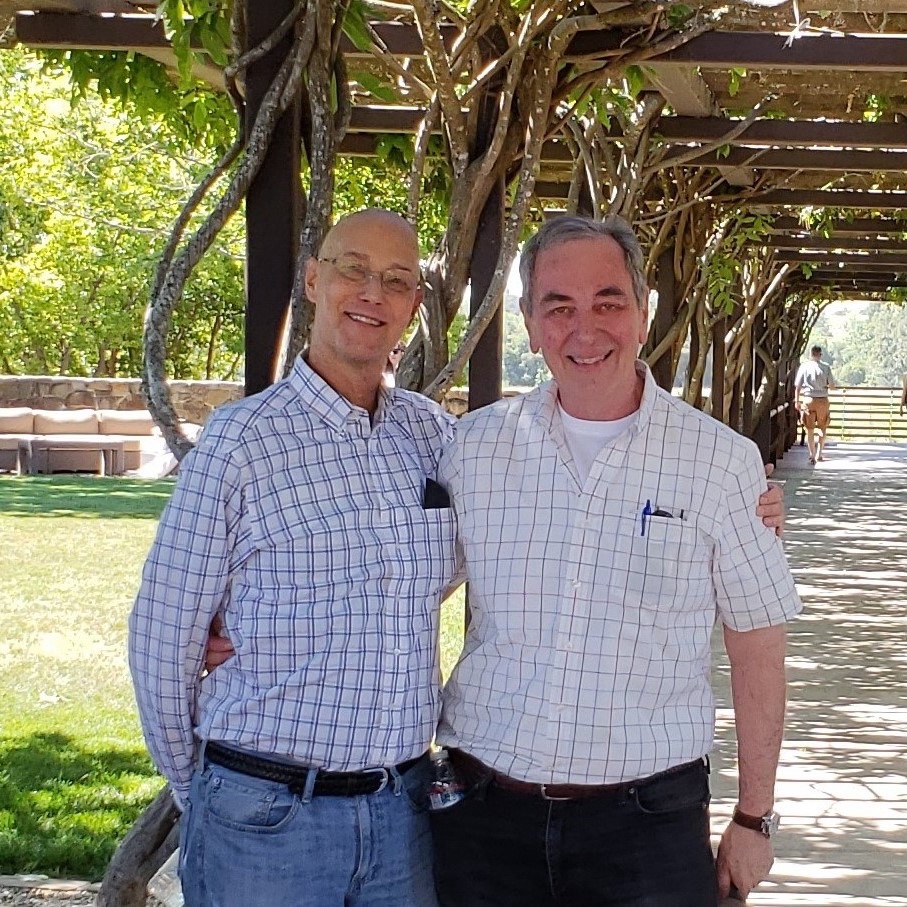
Gary Egan shared 41 years of love and partnership with his late husband, Daniel Holterman, PhD. Together, they built a life filled with laughter, shared passions, and a commitment to making a difference in the world. Gary watched Dan face a 33-year battle with cancer with grace and determination, and Gary continues to honor Dan’s legacy through advocacy and philanthropy.
Dan dedicated his career to cancer research and was deeply involved in the multiple myeloma community as a founding board member and scientific advisor for the Arizona Myeloma Network. “He helped convene a high-level medical research conference annually for ten years,” Gary recalls. “The best specialists in the country leading the fight to cure multiple myeloma were invited.”
Inspired by Dan’s work and resilience, Gary has been supporting the Multiple Myeloma Research Foundation® (MMRF®) by participating in the MMRF Scottsdale Walk/Run for the past two years, rallying friends and family to raise thousands of dollars in Dan’s memory. “The MMRF’s focus on research aligns perfectly with Daniel’s life’s work and reflects our desired philanthropic legacy,” Gary says.
Gary hopes his support of the MMRF will help contribute to the next generation of researchers through the MMRF Research Fellowship Program, giving them the chance to make contributions that will help others — just as Dan did throughout his career.
Gary sees participating in the MMRF Walk/Run as a way to honor Dan while helping families facing multiple myeloma today, and he is honored to be recognized as Scottsdale’s Spirit of Hope Honoree. Through his advocacy, fundraising, and planned giving, Gary continues to carry forward the values he shared with Dan: compassion, perseverance, and a determination to make a difference.