ACCELERATOR MAGAZINE 2026
Where Bold Science Meets Real Results
We’re living through a defining moment in multiple myeloma—one where curing the disease is no longer a distant aspiration. In the latest issue of Accelerator, the MMRF’s annual magazine, you’ll read how the foundation is accelerating cures for every patient through groundbreaking trials, investments in emerging treatments, and best-in-class education and support programs. You’ll also meet the patients, supporters, researchers, and MMRF team members who power our mission and make progress possible.




Driving Cures
What’s happening in myeloma research now

Reimagining Treatment for High-Risk Newly Diagnosed Myeloma
Over the last 25 years, we’ve made incredible progress treating standard-risk myeloma—to the point that a very small number of patients are now considered cured. But the estimated 20 percent of patients who have high-risk disease haven’t seen the same benefits. They relapse quickly and cycle through standard therapies faster. Learn how the groundbreaking Horizon Two clinical trial aims to solve this.


15 Years, 1,100 Patients, Countless Breakthroughs
When the Multiple Myeloma Research Foundation (MMRF) launched the CoMMpassSM Study in 2011, it set out to do something unprecedented for a cancer as uncommon as multiple myeloma. CoMMpass would enroll more than 1,000 newly diagnosed patients over four years, sequence their myeloma genomes, track their outcomes for eight or more years, and share its data with the rest of the field.
Fifteen years later, the MMRF’s audacious bet has become one of the most complete molecular portraits of any cancer. The MMRF looks back on CoMMpass’ impact in myeloma over the last 15 years, along with what’s to come.
Engineering Smarter Immunotherapies for Myeloma
Earlier this year, the Myeloma Investment Fund® (MIF) made a new investment in Coding Bio, a United Kingdom–based biotechnology company whose platform could accelerate the development of new immunotherapies for myeloma and other cancers. We spoke with Coding Bio’s CEO Simon Bornschein about the company, why the MIF’s funding and support is so crucial, and more.
Why the MIF Matters Now More than Ever
Between declining government funding for research and a difficult drug development arena marked by higher costs, greater risk, and more competition for less capital, myeloma is at a crossroads. To ensure cures reach patients, the community needs to confront these challenges head-on—something the MMRF is uniquely poised to do.
Living Well With Myeloma
Empowering advice and support from the MMRF’s experts
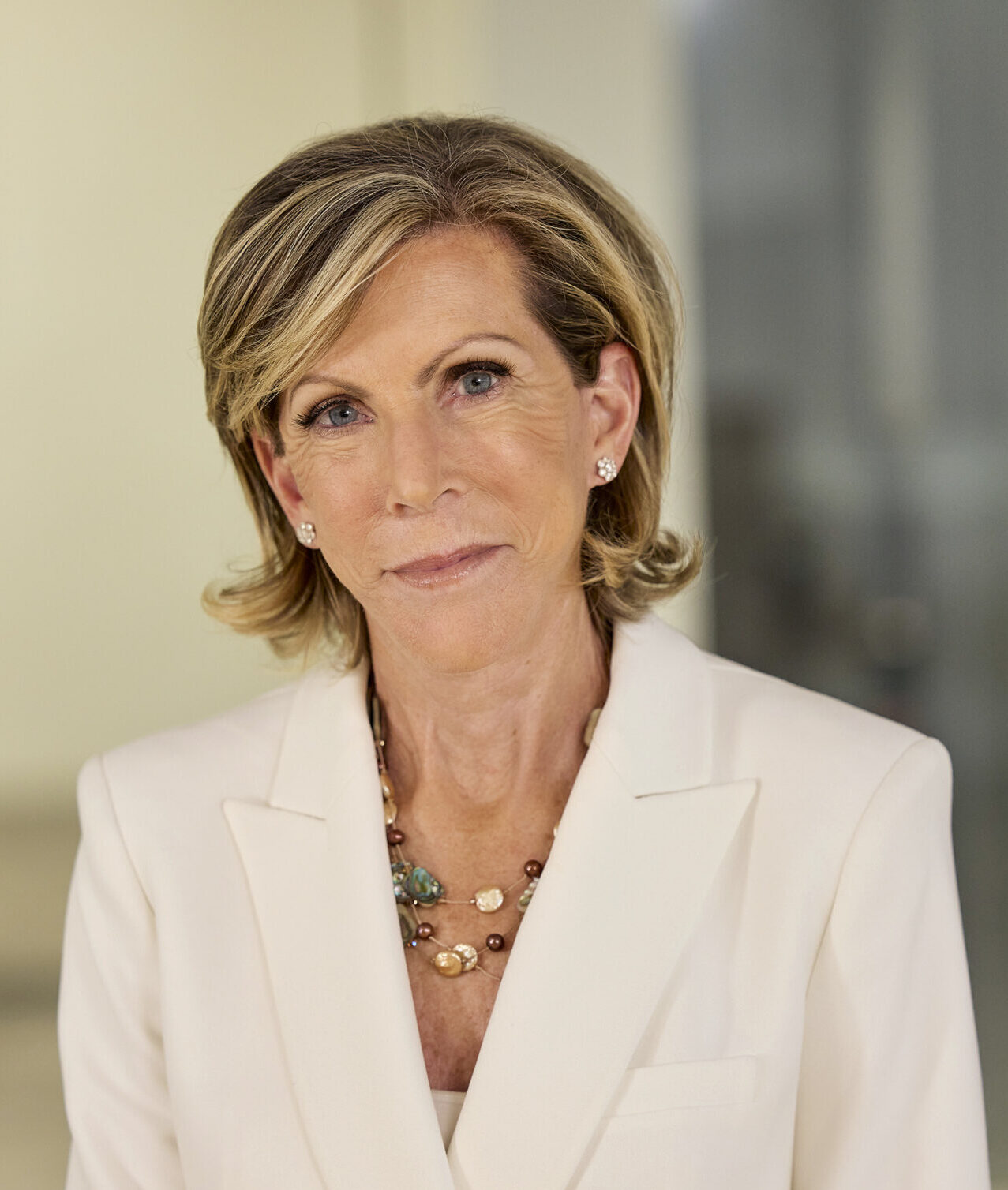
How to Make Smarter Care Decisions
MMRF co-founder and patient advocate Kathy Giusti shares her best advice.
1. Take an active role in your treatment
With more than 15 FDA approved treatments for myeloma, patients have more options than ever before. “The doctor is now saying to you, ‘Here are your options. What do you want to do?’” Giusti said. “You need to understand your options.”
2. Prepare before you need to
Ask your doctor questions about the next phases of treatment. Having a plan in place can reduce anxiety and help you feel more in control when circumstances change. “You make the best decisions when you’re not in a panic," Giusti said.
3. Get a second opinion
“I’m a huge fan of second opinions,” Giusti said, because treatment for myeloma is rapidly evolving. Far from being seen as a challenge to a physician, second opinions are now a routine part of care. “Doctors don’t take this personally,” Giusti said.

Inspiring Stories
Celebrating the community powering our mission